
Learn how knee supports work, which type to pick, how tight they should feel, and when to wear them for walking, training, and running.
Knee pain can make simple things feel hard: stairs, long walks, squats, and even easy runs. Knee supports can help by adding gentle pressure, warmth, and a “steady” feeling around your joint. They are not magic. But when you pick the right kind and wear it the right way, knee supports can make movement feel safer and more comfortable.
How Knee Supports Work
Most knee supports help in a few simple ways. First, they give light compression, which can help reduce mild swelling and make the area feel more supported. Second, they add warmth, which can help you feel less stiff when you start moving. Third, they improve “body awareness” around your knee (also called proprioception). That is a fancy way of saying your knee feels easier to control, so your form can feel steadier during movement.
For many runners and active people, knee supports feel helpful during high-impact moves, long standing, or workouts where the knee is under repeat load.
Types of Knee Supports
Not all knee supports are the same. Here are the main types you will see:
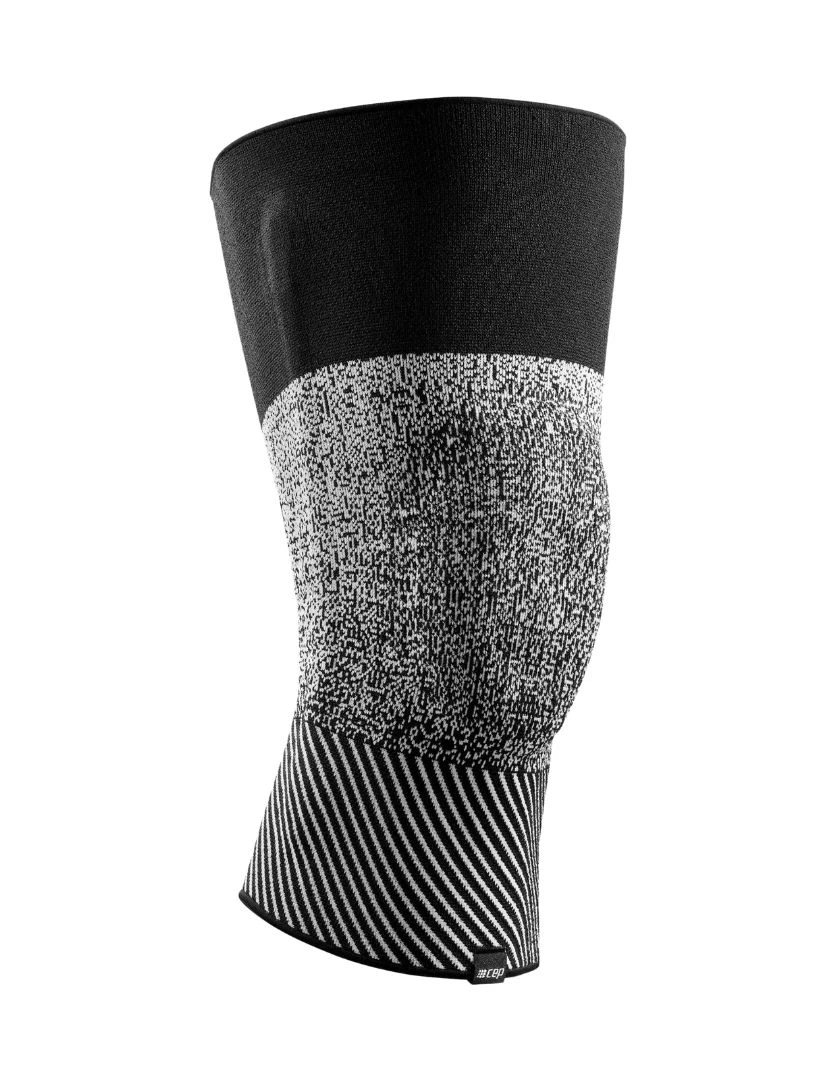
A knee sleeve is the most common. It is a stretchy piece of fabric that slides on and gently squeezes the knee. Many people use sleeves for everyday support, running, gym training, and mild knee discomfort.
A knee brace usually has straps, and some have hinges on the sides. Braces are built for more structure and control, often after an injury or when the knee feels unstable.
A simple rule: sleeves are mainly for compression and comfort, while braces are for stronger support and stability. A compression sleeve cannot replace a brace when you truly need structural support.
How to Choose Knee Supports Step by Step
Choosing knee supports gets easier if you start with one question: What problem am I trying to solve?
If your knee feels sore during runs, or gets achy after training, a compression-style sleeve is often a good place to start. It supports movement without feeling bulky.
If your knee feels like it might “give way,” twists too easily, or you are recovering from a real injury, talk to a clinician and consider a brace with stronger support. Some braces may need proper fitting, and more complex options are commonly guided by a healthcare provider.
Quick fit checklist (so your knee supports actually work)
- Snug, not painful: knee supports should feel secure but should not hurt or feel like they cut off blood flow.
- No numbness or tingling: if you feel pins and needles, loosen or remove them.
- No deep marks that last: light marks are common, but deep lines plus swelling below the knee is a bad sign.
- Stays in place when you move: knee supports should not slide down during a walk, jog, or squat.
Sizing matters. A common approach is measuring around the knee area and above it, then matching the size chart so the sleeve does not slip.
How to Wear Knee Supports Safely
A lot of people get the “how” wrong, and then say knee supports do not help. Here’s the simple approach.
Put knee supports on when you are about to do the activity that usually triggers pain: a run, a gym session, a long walk, or lots of stairs. That timing matters because many experts suggest braces and supports are most useful during activities, not while sitting still.
Knee supports should feel even around the joint. They should not bunch behind the knee, pinch at the top, or roll down. If your knee supports feel too tight, they can cause discomfort and may make your leg feel “off.” A good fit supports you without making pain worse.
Also, give your skin breaks. Some guidance suggests using sleeves for extended activity windows, then removing them during rest so your skin can breathe.
When Knee Supports Are Not Enough
Knee supports are best for mild pain, light swelling, or extra confidence during movement. But they are not a full solution if something bigger is going on.
Get medical advice sooner if you have a big swelling, a clear injury, locking (knee gets stuck), serious instability, or pain that keeps rising even with rest. Also, if you feel you need heavy support all the time, it is worth checking the root cause and your rehab plan. Overusing a brace when you only need a sleeve can limit normal movement and may lead to weaker muscles over time.
Frequently Asked Questions
Do compression knee sleeves really help?
They can help with comfort by adding compression, warmth, and a steadier feel around the joint. Many people find this useful during activity.
Can I run in knee supports?
Yes, many knee supports (especially sleeves) are made for running and training and are meant to support movement without blocking it.
How tight should knee supports be?
Snug and secure, but not painful. They should not cut off circulation, cause numbness, or make swelling worse.
Can I wear knee supports all day?
Many people wear them for work or active days, but it helps to remove them during rest so your skin can breathe. It’s also smart not to wear support while sitting still or sleeping unless a clinician tells you to.
Can a knee support sleeve replace a knee brace?
Not if you need structural stability. Sleeves provide compression, but braces are designed to control movement and support unstable or injured knees.
What type of knee supports are best for arthritis pain?
There is no one best option for everyone. Some people start with compression sleeves, while others may need hinged or unloader braces depending on where the arthritis pain is and how severe it is.
Conclusion: Pick Knee Supports That Match Your Problem
Knee supports work best when you match the support level to your real need. If your knee is sore with runs or workouts, start with a well-fitted sleeve and use it during the activities that trigger discomfort. If your knee feels unstable or you are dealing with a true injury, get guidance and consider a stronger brace. The right knee supports should feel snug, steady, and comfortable, not painful or restrictive.