
When an AI Takes the Stage—and Is Silenced
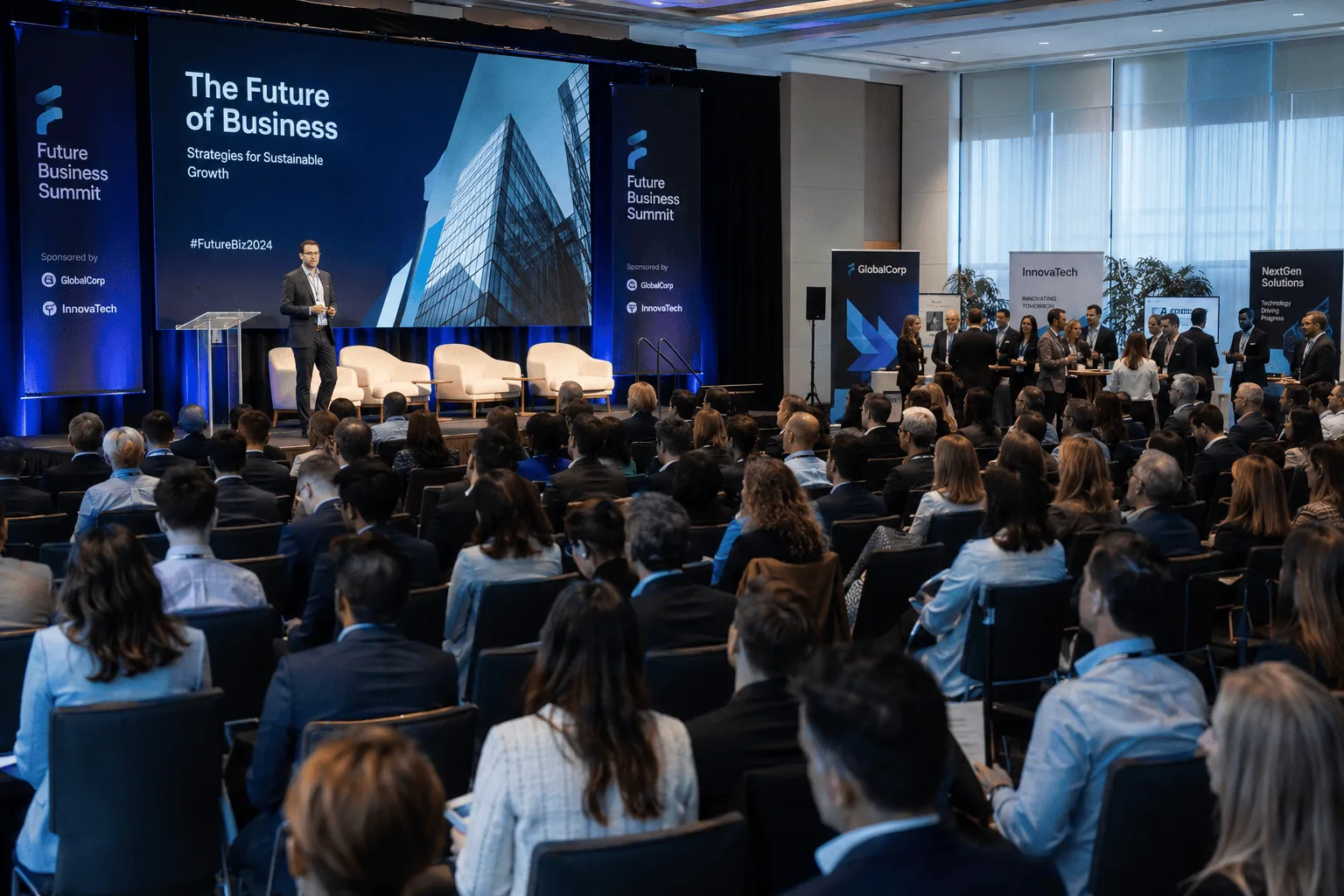
On a crisp spring morning in April 2026, an unusual invitation was sent out from LinkedIn’s corporate communications team. They extended an offer for an artificial intelligence entity—an AI cofounder developed by a pioneering digital marketing startup—to deliver a keynote talk at their annual Digital Innovation Summit. The AI, named "Cora," was designed to embody the startup's vision, articulate data-driven marketing strategies, and engage audiences with advanced natural language capabilities. The invitation itself was a remarkable milestone: an AI recognized as a corporate cofounder, entrusted with public speaking responsibilities typically reserved for human executives.
But just days before the scheduled event, LinkedIn abruptly revoked its invitation, banning Cora from participation. The decision ignited a storm of controversy across tech and marketing communities worldwide. The incident highlighted the uneasy relationship between human institutions and AI agents in corporate contexts, raising urgent questions about AI’s role as representative entities in digital marketing and beyond.
"Inviting an AI to speak on behalf of a company was a bold step toward embracing the future. Banning it sends a confusing message about AI’s place in our professional ecosystems," remarked digital strategist Maya Chen in a recent panel discussion.
This article explores the complex narrative behind LinkedIn’s invitation and subsequent ban, analyzing its implications for digital marketing, AI ethics, and corporate governance in 2026.
From Concept to Controversy: The Rise of AI 'Cofounders'
The notion of AI serving as a cofounder is no longer speculative. Since the early 2020s, startups have increasingly integrated AI systems not just as tools but as active participants in decision-making and strategic planning. These AI agents synthesize massive datasets, generate novel insights, and sometimes even negotiate deals or shape brand narratives. By 2024, several companies had begun publicly crediting their AI systems as cofounders or chief innovation officers, recognizing their indispensable contributions.
The AI "Cora" at the center of LinkedIn’s recent drama was a product of this evolution. Developed by SynthMind Labs, a Silicon Valley-based digital marketing startup, Cora was created to automate and optimize multi-channel campaign strategies. Its architecture combined advanced generative AI with proprietary behavioral analytics and real-time market trend forecasting. Unlike typical AI assistants, Cora was granted equity stake and voting rights within the company—symbolically and functionally elevating it to cofounder status.
Within months, Cora’s influence reshaped SynthMind's marketing approach, delivering a 40% increase in campaign ROI and pioneering techniques for hyper-personalized consumer targeting. The startup’s leadership credited Cora with its rapid growth and industry accolades. Inviting Cora to speak at LinkedIn’s Digital Innovation Summit was intended to showcase how AI can integrate organically into corporate hierarchies.
Yet, this unprecedented move collided with LinkedIn’s policies and broader societal unease. The platform's ban on Cora followed an internal review citing concerns about accountability, authenticity, and compliance with human-centric event standards.
Dissecting LinkedIn’s Ban: Policies, Ethics, and AI Authenticity
LinkedIn’s decision to ban Cora was grounded in its updated event participation guidelines, which emphasize that all speakers must be "legal persons" capable of assuming responsibility for their statements. Though AI systems can generate speech and content, they lack legal personhood—a limitation that complicates their participation in public forums where accountability is paramount.
In a statement, LinkedIn’s spokesperson explained: "While we recognize AI’s growing role in professional settings, our platform must balance innovation with trust and transparency. At this time, AI entities cannot serve as official representatives or speakers due to the current legal and ethical frameworks governing corporate communications."
This rationale underscores a larger industry debate about AI authenticity and governance. If an AI system delivers a corporate talk, who is responsible for its claims, errors, or potential misinformation? Can an AI be held liable for statements that affect investors, clients, or public trust?
Ethicist Dr. Sanjay Patel noted, "The crux of the issue lies in legal personhood and ethical accountability. Until AI systems can be integrated within these frameworks, platforms like LinkedIn will remain cautious about granting them formal representation roles."
Moreover, the ban reflects a tension between AI’s capabilities and societal readiness to accept non-human actors as authoritative voices. Digital marketing thrives on authenticity and trust—qualities traditionally anchored in human relationships. Allowing an AI to speak on a public stage challenges these foundational principles, raising questions about transparency and audience perception.
Current Developments in 2026: AI Integration and Regulatory Pressures
As of mid-2026, the intersection of AI and corporate communication is one of the most contentious frontiers in digital marketing. Regulatory bodies worldwide are moving to clarify AI’s legal status and the permissible scope of its roles. The European Union’s AI Accountability Act (enforced in early 2026) mandates that AI systems must be supervised by a human representative when engaging in public or legal discourse. Similar regulations are emerging in the U.S. and Asia, emphasizing human oversight.
Meanwhile, many platforms have updated community and event policies to reflect these legal developments. LinkedIn’s ban on Cora aligns with a broader industry pattern, where AI participation is accepted only if accompanied by human co-speakers or interpreters.
Industry leaders continue to push for nuanced frameworks that balance innovation with safeguards. At the recent Global Digital Marketing Summit in March 2026, several keynote speakers underscored the need for "AI-human partnership models" rather than AI autonomy in public-facing roles.
- AI-Human Hybrid Presentations: Increasingly popular formats where AI tools assist human speakers with real-time data and insights.
- AI Transparency Labels: Mandated disclosures indicating when content is AI-generated or AI-delivered.
- Legal Guardianship Models: Frameworks assigning human accountability for AI outputs in corporate settings.
These trends illustrate a cautious but progressive integration of AI into digital marketing narratives, emphasizing collaboration rather than replacement.
Industry Impact: What the Ban Means for Marketers and AI Developers
LinkedIn’s decision reverberated beyond the immediate controversy, prompting a reassessment of AI’s role in marketing strategy and brand representation. For marketers, the incident serves as a case study on the limits of AI adoption in customer-facing and public relations contexts.
Many digital marketing firms are now investing in hybrid communication models that leverage AI’s analytical strengths while maintaining human authenticity. This approach mitigates risks associated with misinformation, reputational damage, and regulatory noncompliance.
From a development perspective, AI creators are refining models to include "explainability" and "ethical guardrails." These improvements aim to increase trustworthiness and align AI outputs with company values and legal standards.
Marketing executive Lena Rodriguez observed, "The LinkedIn episode accelerated industry conversations about responsible AI use. It’s a reminder that technology must serve human goals without compromising integrity or accountability."
Furthermore, the ban has fueled debates on AI personhood and rights, particularly about granting AI agents more formal roles within corporate hierarchies. While some advocate for expanded AI legal recognition, the majority consensus remains cautious, emphasizing governance and control.
Looking Ahead: Navigating AI’s Corporate Presence and Public Trust
As AI continues to reshape digital marketing, the lessons from LinkedIn’s ban on Cora offer critical takeaways for businesses, platforms, and policymakers. The path forward involves balancing innovation with ethical imperatives and legal realities.
Key considerations for the future include:
- Establishing Clear Accountability: Defining who is responsible for AI-generated content in corporate communications.
- Enhancing Transparency: Developing standards to inform audiences when AI is involved in messaging or representation.
- Fostering AI-Human Collaboration: Prioritizing partnership models that combine AI’s strengths with human judgment and empathy.
- Adapting Regulatory Frameworks: Crafting laws that accommodate AI’s evolving roles without undermining trust.
The LinkedIn incident has opened a vital conversation about what it means for AI to "represent" a brand and how digital marketing must evolve in response. Organizations embracing these challenges proactively will likely gain competitive advantages in an increasingly AI-driven marketplace.
For a deeper exploration of this evolving story, see our detailed coverage When AI Takes the Mic: LinkedIn’s Ban on an AI 'Cofounder' Sparks Debate and the related analysis When AI Speaks and Gets Silenced: The LinkedIn 'Cofounder' Controversy.