The manufacturing industry is undergoing a major transformation, driven by rapid advancements in artificial intelligence (AI) and machine vision technologies. Together, these innovations are powering the next wave of smart factories—where machines don’t just automate tasks but also analyze, learn, and optimize operations in real-time.
In the past, manufacturers relied on human oversight and traditional automation systems to manage processes. While effective to a point, these systems lacked adaptability and intelligence. Today, AI brings cognitive capabilities to machines, enabling them to detect patterns, predict issues, and make decisions on the fly. Machine vision, in particular, is playing a pivotal role in this evolution.
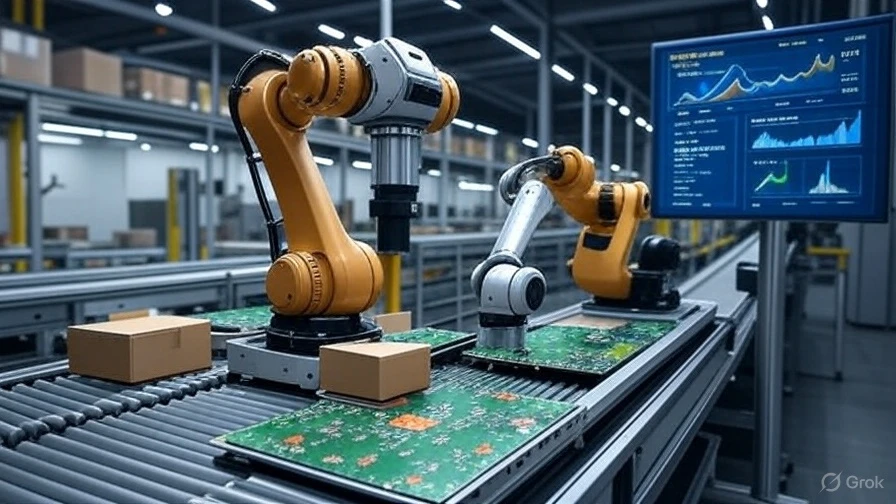
By equipping cameras and sensors with AI algorithms, machine vision systems can inspect products, monitor machinery, and ensure consistent quality—often better and faster than any human can. In smart manufacturing environments, these systems are used for a range of applications, from identifying product defects to guiding robotic arms with millimeter-level precision.
One of the most impactful use cases of this technology is AI-powered machine vision in manufacturing. These systems allow manufacturers to perform high-speed, high-accuracy visual inspections without slowing down production. For instance, they can detect surface imperfections, incorrect assembly, or mislabeling in real time—helping eliminate defects before products reach customers.
What sets AI-driven machine vision apart is its ability to learn and adapt. Traditional vision systems depend on rigid rules and predefined templates. In contrast, AI-based systems continuously improve their accuracy by learning from new data. If a product design changes or lighting conditions vary, the AI system quickly adjusts, ensuring uninterrupted performance and precision.
Moreover, these intelligent systems contribute significantly to predictive maintenance. By monitoring machine behavior and identifying early signs of wear or misalignment, they help prevent unexpected breakdowns and costly downtime. This predictive capability ensures that smart factories run smoothly and efficiently, with minimal disruptions.
AI and machine vision also offer powerful insights through data collection and analysis. Manufacturers can track trends, measure performance, and uncover hidden inefficiencies. Over time, this data helps optimize workflows, reduce waste, and increase throughput—key goals in any smart manufacturing strategy.
From automotive and electronics to pharmaceuticals and consumer goods, manufacturers across industries are embracing AI-powered vision systems to stay competitive. These systems not only improve product quality but also reduce labor costs and shorten time-to-market, giving businesses a substantial edge.
As smart factories become more mainstream, integrating AI and machine vision is no longer optional—it’s essential for survival and growth. These technologies redefine how decisions are made on the production floor, allowing operations to shift from reactive to proactive.
Studies have shown that manufacturers using AI-based vision systems report up to a 40% increase in quality assurance efficiency, and a 25% reduction in waste—clear evidence that AI and machine vision are not just trends, but foundational tools for the future of manufacturing.