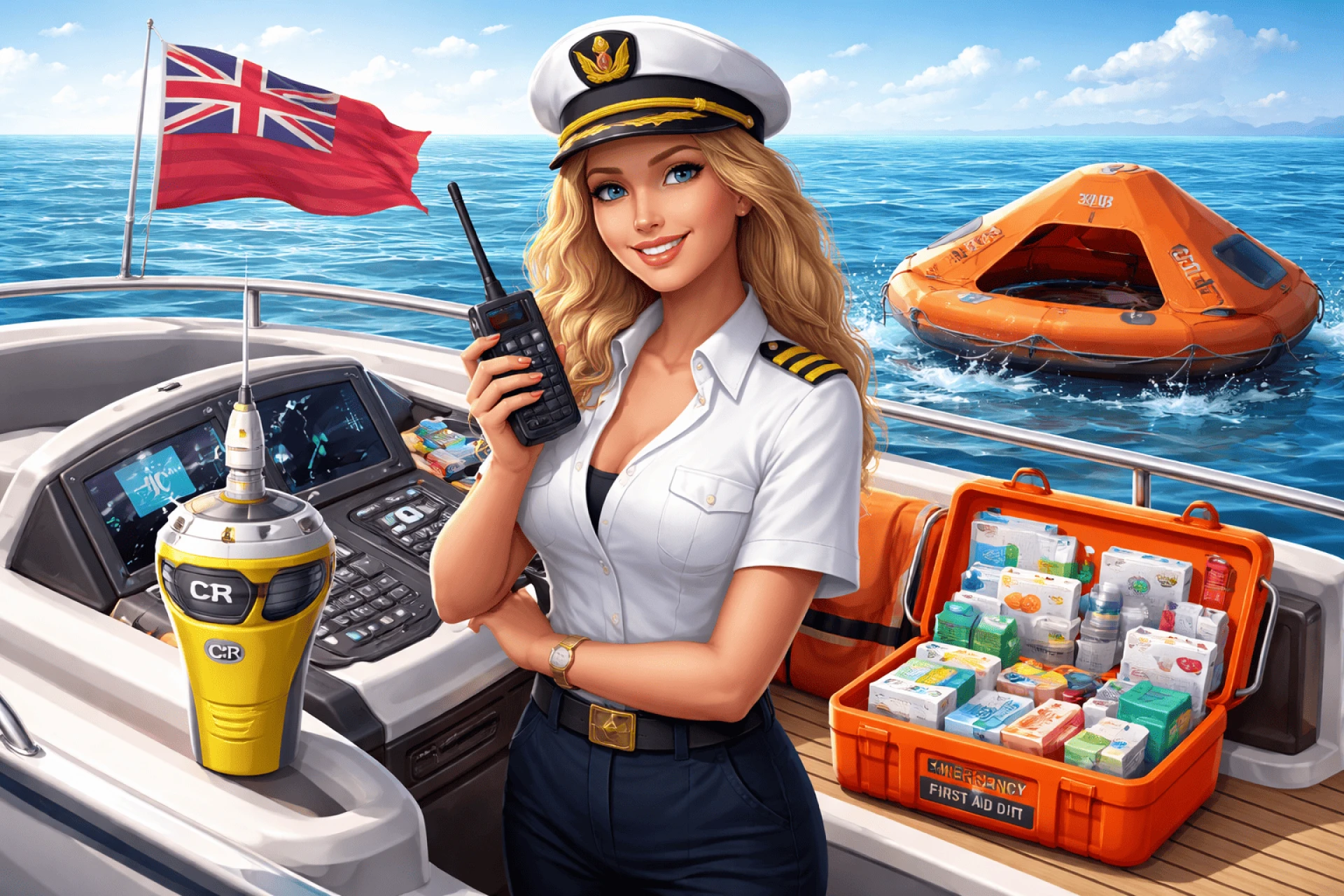
The marine industry is evolving fast, but one thing hasn’t changed—safety at sea is everything. Whether you’re managing a commercial vessel, fishing boat, or private yacht, having the right marine safety equipment is no longer just about compliance—it’s about survival, efficiency, and smart risk management.
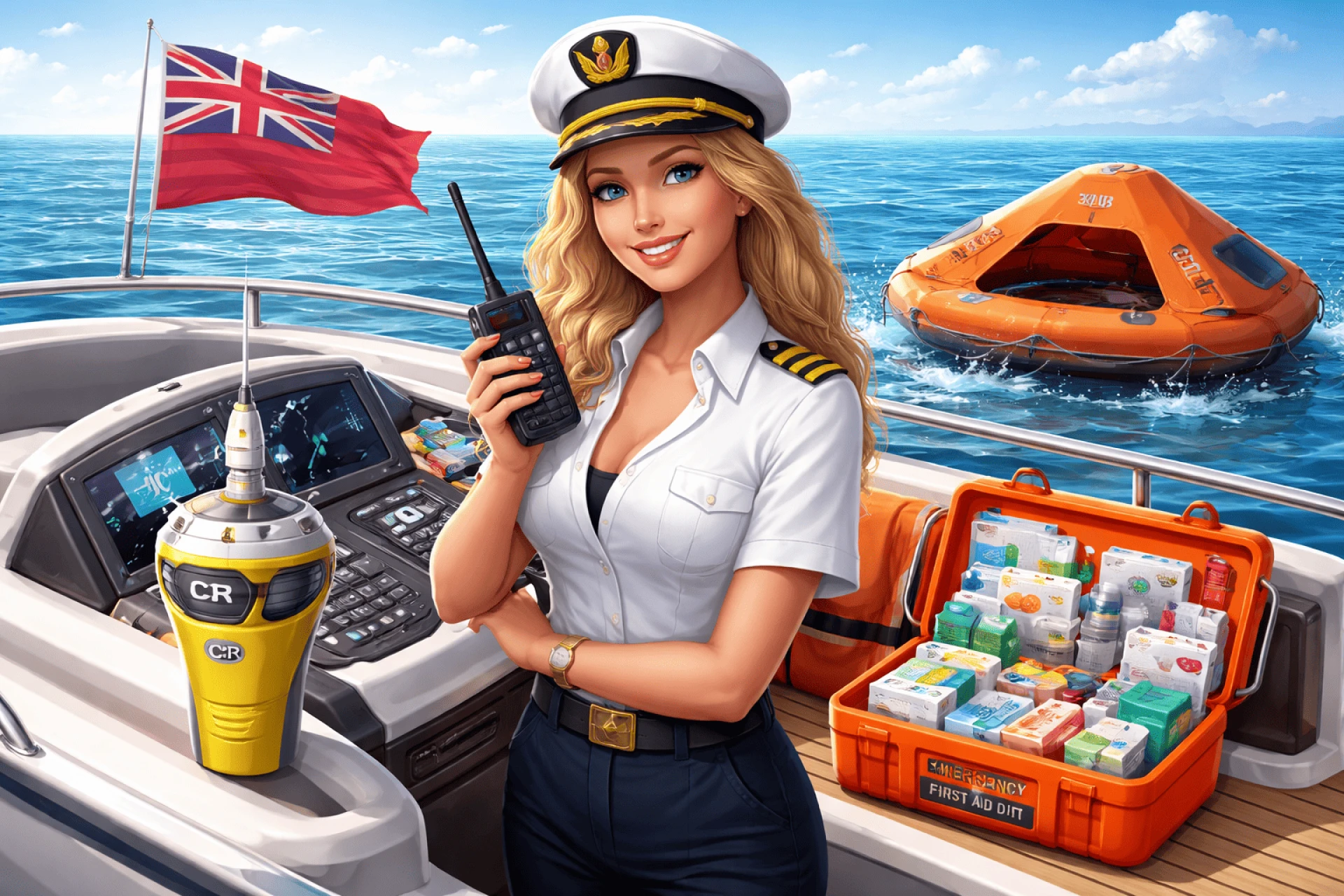
In today’s modern maritime world, two devices stand out as absolute essentials: the VHF Marine Radio and the ACR EPIRB. These tools are not just equipment—they are lifelines when things go wrong offshore.
The Shift Toward Smarter Marine Safety
Marine safety in 2026 is no longer reactive—it’s proactive and tech-driven. Vessel operators are moving beyond basic safety kits and investing in intelligent, reliable systems that provide real-time communication and emergency response.
Global safety frameworks led by the International Maritime Organization emphasize not only carrying safety equipment but ensuring it is functional, accessible, and regularly maintained.
This shift means modern vessels must combine traditional safety gear with advanced communication and tracking devices.
Marine Safety Equipment: More Than Just a Requirement
Marine safety equipment forms the backbone of onboard emergency preparedness. It includes everything from flotation devices to signaling tools, all designed to protect lives in unpredictable ocean conditions.
Core marine safety equipment typically includes:
- Life jackets and lifebuoys
- Liferafts
- Distress flares and signaling devices
- Emergency communication systems
- First aid kits
But among all these, communication and location-based equipment are the most critical during real emergencies.
VHF Marine Radio: Your First Line of Communication
The VHF Marine Radio remains one of the most trusted tools in maritime communication. Unlike mobile phones, which lose signal offshore, VHF radios operate on dedicated marine frequencies, ensuring reliable communication across open waters.
Why It Still Matters in 2026
Even with advanced satellite tech, VHF radios are still the fastest way to call for help locally.
They allow you to:
- Send immediate distress signals
- Communicate with nearby vessels
- Receive weather alerts and navigation updates
- Stay connected with ports and coastguards
The internationally recognized Channel 16 continues to be the primary emergency frequency monitored by rescue authorities worldwide.
Modern Upgrades
Today’s VHF Marine Radios come with:
- Digital Selective Calling (DSC)
- GPS integration
- One-touch distress alerts
- Waterproof and rugged designs
These upgrades make communication faster, more accurate, and more reliable during emergencies.
ACR EPIRB: Global Emergency Response at Your Fingertips
While VHF radios are excellent for nearby communication, they have limitations in remote areas. That’s where the ACR EPIRB (Emergency Position Indicating Radio Beacon) becomes essential.
An EPIRB is a satellite-based distress beacon that sends your exact location to global rescue authorities when activated.
How It Works
Once triggered, the EPIRB transmits a distress signal via satellite networks, alerting rescue coordination centers. This ensures that even if no vessels are nearby, your distress call is still received.
Why ACR EPIRBs Stand Out
ACR is a globally recognized brand known for high-performance emergency beacons. Their EPIRBs offer:
- Accurate GPS positioning
- Automatic activation in water
- Long battery life
- Global satellite coverage
- High visibility for rescue teams
In critical situations—especially offshore—an EPIRB can significantly reduce rescue time and increase survival chances.
Why You Need Both (Not One)
A common mistake vessel owners make is relying on just one communication system. In reality, VHF Marine Radio and ACR EPIRB serve different purposes.
EquipmentPurposeVHF Marine RadioLocal communication and immediate distress callsACR EPIRBGlobal satellite alert and location tracking
Together, they create a complete emergency communication system.
Using both ensures:
- Faster response from nearby vessels
- Guaranteed alert to global rescue teams
- Backup communication in case one system fails
Real-World Scenario: When Seconds Matter
Imagine a vessel experiencing engine failure in rough weather:
- The VHF Marine Radio is used to call nearby vessels and coastguard
- If no response is received, the ACR EPIRB is activated
- The EPIRB sends your exact location via satellite
- Rescue teams are dispatched quickly
This layered safety approach is what modern marine safety is all about.
Maintenance: The Missing Piece in Safety
Having the best equipment is useless if it doesn’t work when needed.
Regular maintenance should include:
- Testing VHF radio signals and battery
- Checking EPIRB registration and battery expiry
- Inspecting all marine safety equipment for wear and damage
Routine checks ensure your equipment is always ready for real-world emergencies.
The Future of Marine Safety Equipment
Marine safety is becoming smarter with innovations like:
- AI-based navigation alerts
- Integrated safety dashboards
- Smart distress systems
- Connected onboard safety networks
However, even with these advancements, core tools like VHF Marine Radio and EPIRB remain irreplaceable.
Conclusion
In today’s maritime environment, safety is a combination of technology, preparation, and reliability. Investing in high-quality marine safety equipment, along with essential tools like the VHF Marine Radio and ACR EPIRB, is no longer optional—it’s critical.
These devices provide the communication, visibility, and response needed during emergencies, ensuring that help is always within reach—no matter where you are at sea.
Because when it comes to marine safety, being prepared isn’t just smart—it’s life-saving.