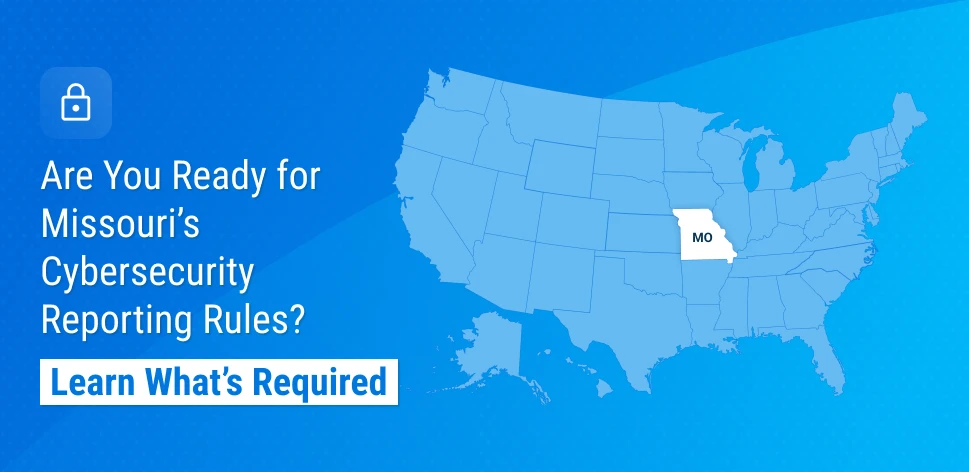
In modern insurance operations, cybersecurity has become a central part of regulatory compliance. Missouri has introduced clear guidance under the Insurance Data Security Act, outlining how licensees must manage data protection, risk assessment, and cybersecurity reporting.For insurance agencies, carriers, and MGAs, this guidance reinforces a critical shift. Insurance compliance is no longer limited to producer licensing and carrier appointment tracking. It now includes structured cybersecurity governance, incident response planning, and regulatory reporting.Industry regulations require organizations to adopt comprehensive systems that ensure both operational efficiency and regulatory alignment.
What the Missouri Insurance Data Security Act Requires
The Insurance Data Security Act establishes statewide standards for how insurance entities must handle sensitive information and cybersecurity risks. It applies to all licensed insurance organizations operating in Missouri, with limited exceptions.Regulatory guidelines state that licensees must implement a formal information security program that aligns with their size, complexity, and operational scope.
This program must include:
- Administrative, technical, and physical safeguards
- Ongoing risk assessments
- Data protection policies
- Incident response planning
A key requirement is that these programs must evolve as technology and operational risks change.Insurance compliance, in this context, means maintaining structured and continuously updated security controls.
Why Cybersecurity Compliance Is Now Critical
Why does this guidance matter for insurance organizations?
Because regulatory expectations are expanding. Missouri’s framework reflects a broader shift across the United States insurance industry toward stricter data protection standards.
Compliance teams often face challenges such as:
- Managing multi-state regulatory requirements
- Tracking cybersecurity risks across systems
- Aligning producer licensing with compliance workflows
- Ensuring timely reporting of cybersecurity events
Failure to meet these requirements can lead to regulatory penalties and operational disruptions.Many insurance organizations use compliance platforms to centralize these processes. An insurance compliance platform like Agenzee helps integrate cybersecurity oversight with licensing and appointment tracking.
Cybersecurity Event Reporting: What Licensees Must Do
A cybersecurity event is defined as any incident that compromises data or system integrity. Missouri’s guidance places strong emphasis on reporting obligations.
Licensees must:
- Detect the cybersecurity event
- Evaluate its impact on systems and consumer data
- Determine whether reporting thresholds are met
- Notify the Department of Commerce and Insurance when required
- Maintain documentation for regulatory review
The law also requires investigation procedures and communication protocols for affected parties.This structured approach ensures that incidents are handled consistently and transparently.
The Link Between Licensing, Appointments, and Cybersecurity
In the insurance industry, compliance is interconnected.Producer licensing, carrier appointments, and cybersecurity systems must work together. A lack of alignment creates compliance gaps.A producer code is a unique identifier assigned by a carrier. It must match licensing and appointment records. If systems are disconnected, errors can occur, increasing compliance risk.
Insurance organizations must ensure:
- License verification through systems like NIPR
- Accurate appointment tracking across carriers
- Centralized producer management
- Integration with cybersecurity compliance workflows
In regulated environments, these elements must function as a unified system.
How Insurance Automation Improves Compliance
Modern insurance systems require automation to manage increasing complexity.
Insurance automation supports:
- Real-time license tracking
- Appointment compliance monitoring
- Centralized data management
- Automated reporting workflows
Best practices recommend using a license tracking system combined with appointment tracking software to reduce manual errors.
An insurance automation platform like Agenzee enables organizations to:
- Maintain centralized compliance dashboards
- Receive alerts for regulatory deadlines
- Manage producer code tracking efficiently
- Streamline cybersecurity reporting
Many carriers today rely on automation to ensure consistent compliance across multi-state operations.
👉 Learn more about Missouri cybersecurity compliance:
Best Practices for Staying Compliant
Insurance organizations must adopt structured approaches to meet Missouri’s requirements.
Build a Strong Security Framework : Establish policies for data protection, access control, and incident response.
Perform Regular Risk Assessments: Identify vulnerabilities and adjust security measures accordingly.
Monitor Systems Continuously: Detect potential cybersecurity threats early.
Align Compliance Data Across Systems : Ensure licensing, appointments, and cybersecurity systems are integrated.
Use Centralized Compliance Platforms : Leverage tools like Agenzee to manage compliance efficiently.
Many insurance organizations use compliance platforms to reduce risk and improve visibility across operations.
The Future of Insurance Compliance
Missouri’s guidance reflects a broader industry trend toward integrated compliance management.
Insurance organizations must move beyond siloed systems and adopt unified approaches that combine:
- Producer licensing
- Carrier appointment tracking
- Cybersecurity compliance
- Data governance
Regulatory requirements require continuous monitoring and adaptation.Organizations that rely on manual processes may struggle to keep up with evolving standards.
Conclusion
Missouri’s Insurance Data Security Act guidance highlights the growing importance of cybersecurity within insurance compliance. For insurance agencies, carriers, and MGAs, this is a significant development that expands the scope of regulatory responsibility.Cybersecurity reporting, risk management, and data protection are now essential components of compliance alongside producer licensing and carrier appointments.Insurance organizations must adopt structured workflows, integrate their systems, and leverage automation to meet these expectations. Platforms like Agenzee support this transformationby centralizing compliance management and improving operational visibility.As regulatory frameworks continue to evolve, organizations that invest in integrated compliance strategies will be better positioned to manage risk, ensure regulatory alignment, and operate effectively in a complex, multi-state insurance environment.