
Early childhood education is one of those areas where assumptions travel faster than facts. Many parents walk into their first tour carrying a mental picture shaped by older daycare models or quick advice from relatives who raised kids decades ago. The reality inside a well-run classroom today looks quite different. The work is intentional, often quiet, and surprisingly thoughtful. When families begin looking into an early learning child care centre, they are usually surprised by how much planning goes into what appears to be simple play and routine.
The Idea That Children Are Too Young to Learn Anything Important
A common belief is that real learning starts later, somewhere around kindergarten, as if the earlier years are only a warm-up. Anyone who has spent time around three or four-year-olds knows that is not how development works. Vocabulary expands almost daily. Social awareness begins to form in small but meaningful ways. Children test ideas constantly, even if it shows up as stacking blocks or asking endless questions. A skilled educator watches these moments carefully and nudges them forward with stories, conversation, and hands-on activities that build confidence without turning the room into a formal classroom.
The Myth That Play Is Not Real Learning
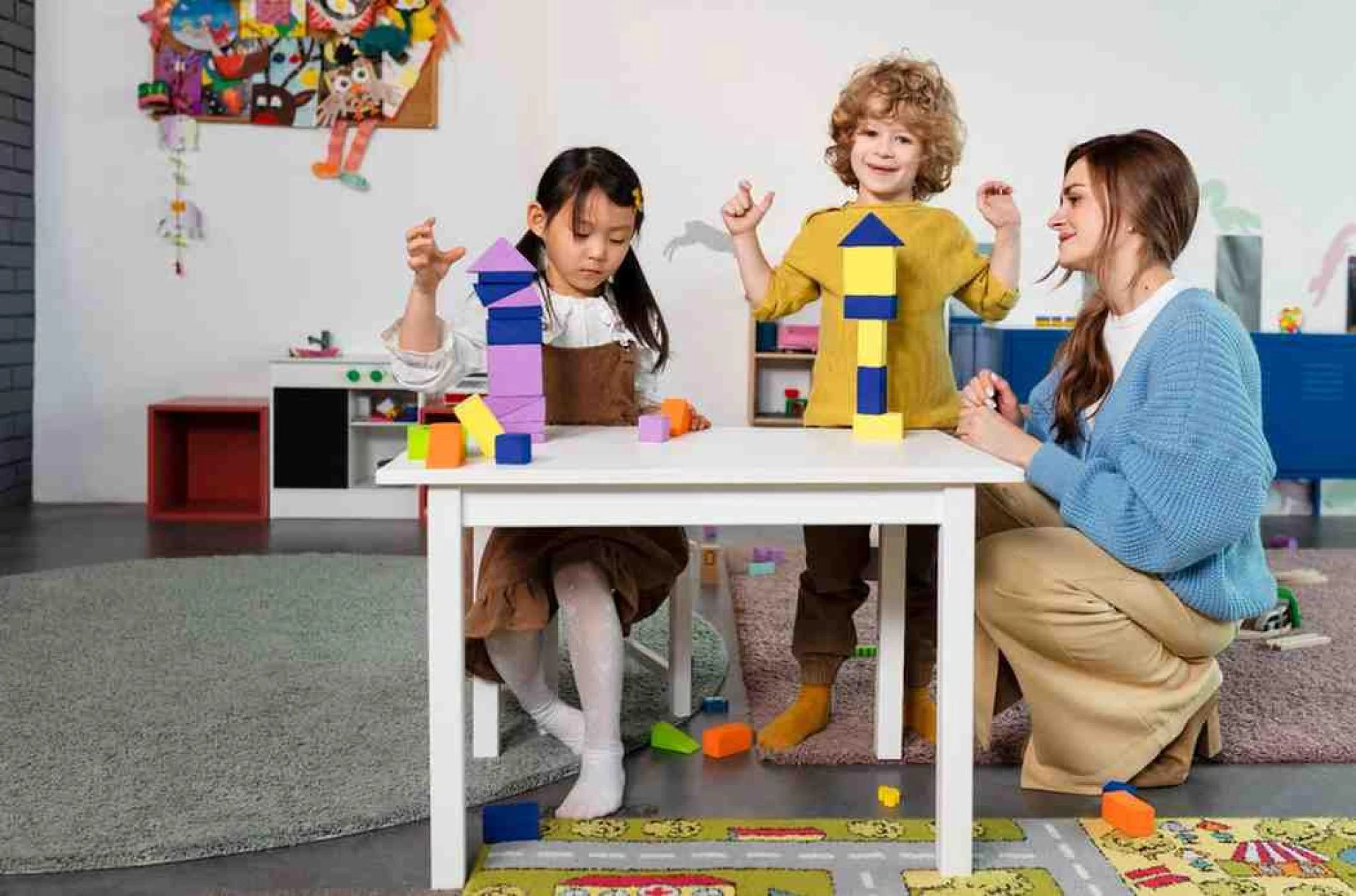
Play sometimes gets dismissed because it does not look academic enough. Parents may glance at a classroom and see dress-up corners, art supplies, or children building towers and assume the day is loosely organized. In reality, those activities are doing heavy developmental work. Fine motor control grows through drawing and cutting. When youngsters compare different shapes or sizes while they are building, they are engaging in early mathematical thinking. Language improves when children negotiate roles during pretend play. The learning is there, just not packaged in worksheets.
Assuming All Programs Are Basically the Same
Another misunderstanding comes from the idea that one centre is much like another. Schedules may look similar on paper, but the tone of the environment can be very different. Some places focus only on supervision, while others are genuinely interested in development and relationships. At Goodwin Academy Daycare Centre, the emphasis is on creating a calm, responsive space where children feel comfortable enough to try things, make small mistakes, and keep going. That atmosphere matters more than people often realize.
Thinking Early Education Replaces the Role of Parents
Parents sometimes worry that spending time in a program might weaken the connection they have with their child’s learning. In practice, strong programs rely on that connection. Educators notice patterns, parents notice different ones at home, and the two perspectives together give a clearer picture of how a child is growing. When communication flows naturally, children sense that continuity and settle into routines more easily.
Believing Structure Limits Creativity
Some families picture structure as something rigid, almost restrictive. Young children actually benefit from knowing how the day unfolds. Predictable routines lower anxiety and help them focus on what is happening in the moment. Within that rhythm, there is still plenty of space for imagination, messy art, storytelling, music, and spontaneous questions that lead the conversation somewhere unexpected.
Misunderstandings That Often Influence Parents’ Decisions
Many hesitations about childcare come from assumptions that sound reasonable until you look closely, and parents often mention the same concerns during tours or conversations:
● Children just play all day without learning anything meaningful
● Early education pressures kids academically
● Educators mostly supervise rather than guide
● Shy children may struggle in group environments
● Learning truly begins only once school starts
Concerns About Social Development
Group settings can feel intimidating at first, especially for parents who have a quieter child. Yet something interesting tends to happen after a few weeks. Children start recognizing faces, sharing space, and slowly participating in conversations that once felt overwhelming. Those small daily interactions build confidence over time. For families searching for a child care centre in Surrey, BC, watching how educators guide these interactions often reveals more than any brochure ever could.
The Belief That Early Education Is Only About School Readiness
What is being said about school readiness is important, and making the reduction of early schooling to that end is missing the forest for the trees. These are the years that create the way children face the challenges, friends, and even curiosity itself. Children will start feeling safe and supported in the environment and start believing in their own capacity to explore and ask questions. Such an attitude is perpetuated into later years. This change is observed by many parents when they select an early learning child care centre that does not undervalue emotional growth over early academics.
Conclusion
Misunderstandings about early childhood education usually fade once parents spend real time observing a classroom in action. The pace is calmer than expected, the interactions are more thoughtful, and the learning is woven into everyday moments rather than announced loudly. If you are exploring options for your child, the best step is often the simplest one. Visit a centre, watch how educators speak with children, and ask questions that matter to you. If you are ready to take that step, reach out today to learn more about the programs available and schedule a visit that gives you a clear, firsthand look at the environment.