If you run a beverage plant, you already know how much pressure you're under to keep things moving. One small leak or a worn-out seal can slow everything down. So, it makes sense to ask: are there mobile service teams for valve and seal repair in beverage plants? The short answer is yes. But there is a lot more to understand before you pick up the phone and call one.
This post breaks it all down in plain language. We'll look at what mobile repair teams do, why they matter, and how to know if they're the right fit for your facility.
Why Valves and Seals Break Down in Beverage Plants
Beverage plants run hard. Machines work around the clock. Temperatures shift. Cleaning chemicals cycle through the lines regularly. Because of all this, valves and seals wear out faster than in many other industries.
Here are the most common reasons for early wear:
- High-pressure CIP (clean-in-place) cycles that stress seals over time
- Constant exposure to acidic or caustic cleaning agents
- Temperature swings between hot product runs and cold rinses
- Vibration from pumps and filling machines that loosens valve components
So when a seal fails or a valve starts leaking, it usually isn't a surprise. It's the result of slow wear that finally reaches a breaking point.
What Are Mobile Valve and Seal Repair Teams?
Mobile service teams are trained technicians who come to your plant instead of you sending parts off to a shop. They carry tools, spare parts, and testing equipment right to your production floor. In many cases, they can fix the problem on the same day they arrive.
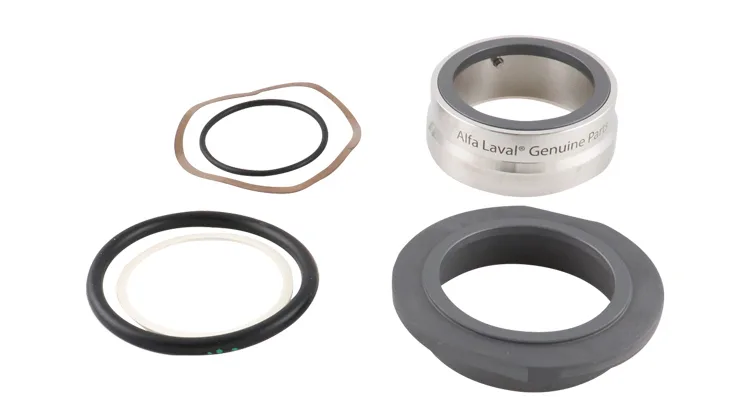
These teams typically handle a wide range of tasks. They can rebuild butterfly valves, replace seat seals, re-machine worn valve bodies, and pressure-test repaired components before putting them back into service. Some teams also handle specialty valves like mix-proof valves, ball valves, and control valves used in automated filling lines.
Moreover, many mobile service providers also offer emergency response options. This means that if something breaks in the middle of a production run, you can call and have someone there within hours rather than waiting days for a part to ship.
The Real Benefit — Staying on Schedule
The biggest reason beverage plants use mobile repair services is simple: downtime costs money. When a line stops, you're not just losing product. You're losing labor hours, packaging material, and potentially customer orders. Therefore, fixing things fast — on-site — is almost always the smarter move.
Think about it this way. If you pull a valve and ship it to an off-site shop, you might wait a week or more for it to come back. During that time, your line could be sitting idle or running at reduced capacity. In contrast, a mobile team can often get you back up in a matter of hours.
Additionally, mobile technicians can spot other issues while they're already on the floor. They might notice a valve seat that's starting to pit, or a seal that's close to failure but hasn't gone yet. Catching those early saves you from another unplanned shutdown down the road.
Are There Mobile Service Teams for Valve and Seal Repair in Beverage Plants?
Yes, and they are more available than most plant managers realize. You don't have to be a massive operation to access these services. Many regional suppliers and specialty repair companies now offer mobile support for mid-size and smaller beverage facilities too.
When you search for are there mobile service teams for valve and seal repair in beverage plants, you'll find both national providers and local specialists. National companies often have broader parts inventory and faster emergency response. Local specialists, on the other hand, may know your specific equipment and regional water conditions better.
It's worth having at least one trusted mobile service contact before you need them. Waiting until you're in crisis mode to find a provider is stressful and usually more expensive.
What to Look for in a Mobile Repair Team
Not all mobile service providers are equal. Here are a few things to check before you commit to one:
- Industry experience — Do they work specifically with food and beverage plants, or are they a general industrial shop? Beverage plants have strict hygiene standards, so experience with FDA-compliant materials matters.
- Parts availability — Can they source OEM or approved equivalent parts quickly? Ask if they stock common seal materials like EPDM, PTFE, and silicone.
- Certifications — Look for technicians certified in the brands you use. If your plant runs ALFA LAVAL, GEA, or APV valves, ask if the team has experience with those specific makes.
- Response time — What's their average call-to-arrival time? For emergency service, hours matter.
- Documentation — Good teams provide written reports after each repair. This is important for audit trails and maintenance records.
Planned Maintenance vs. Emergency Calls
Mobile teams aren't just for emergencies. In fact, many beverage plants build regular mobile service visits into their planned maintenance schedule. This approach is often called predictive or preventive maintenance.
During a planned visit, the technician inspects valves and seals across the plant, swaps out parts that are close to end-of-life, and tests pressure ratings. Because the work happens during a scheduled downtime window, there's no rush and no production pressure. Furthermore, planned visits tend to cost less per visit than emergency calls, which often carry premium rates.
The smartest plants use a combination of both. They schedule regular inspections and also keep an emergency service contact ready for when something unexpected happens.
Hygiene and Compliance Considerations
This is important. Beverage plants operate under strict hygiene rules. Any repair work done on-site has to meet those same standards. When you allow a mobile team onto your production floor, they need to follow your GMP (Good Manufacturing Practice) protocols.
Ask any mobile service provider about their hygiene practices before letting them work on your equipment. Technicians should be trained in food safety awareness. Their tools should be clean and dedicated to food-grade environments. And any replacement parts used should meet the material standards for your product lines, including 3-A Sanitary Standards where applicable.
This is not a small detail. If a repair is done with non-food-safe materials or leaves contamination behind, you could face bigger problems than the original leak.
How to Get Started
If you haven't worked with a mobile valve and seal repair team before, starting is easier than you might think. Begin by reviewing your current maintenance contracts and checking if any of your equipment suppliers offer on-site service. Many OEMs have authorized service networks that include mobile technicians.
You can also reach out to industrial distributors in your region. They often maintain relationships with qualified mobile service providers and can point you toward trusted options.
Finally, ask other plant managers in your network who they use. Word of mouth still works well in this industry. Someone who runs a similar operation has likely already done the homework you'd need to do.
Wrapping Up
The question of are there mobile service teams for valve and seal repair in beverage plants comes up often, and for good reason. These teams offer a practical way to cut downtime, stay compliant, and keep your lines running. Whether you need emergency support or want to build a preventive maintenance plan, mobile service is worth exploring.
The key is to find a provider with real beverage industry experience, the right parts on hand, and the hygiene awareness to work safely in your facility. When you find the right team, you'll wonder how you managed without them.