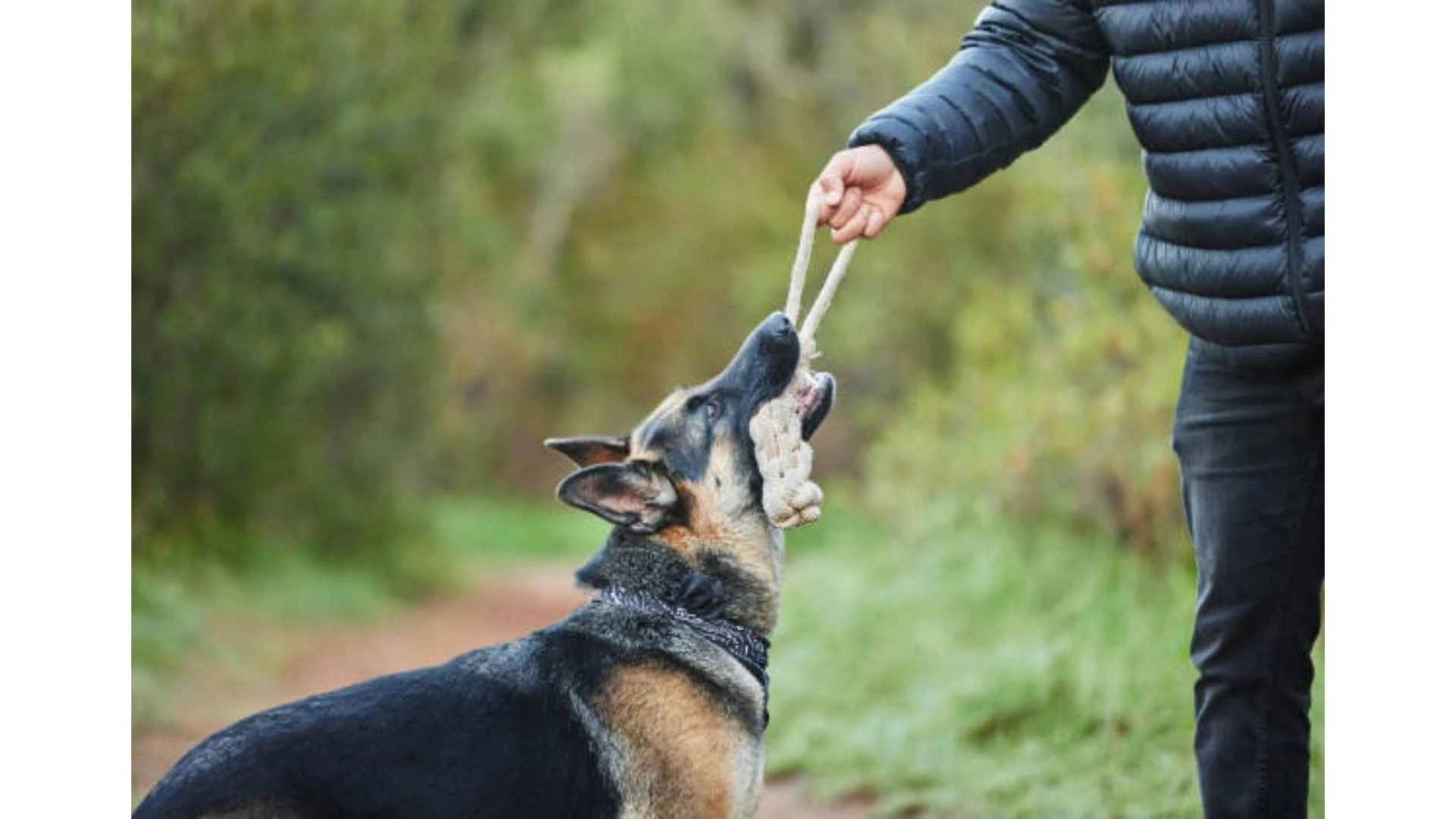
Taking your dog for a walk should be fun. But for some dog owners, walks can feel stressful or even scary. If your dog growls, pulls, barks at other dogs, or gets upset around strangers, you are not alone. Many families deal with this, and it can make walks something you avoid instead of enjoy.
Luckily, there's a solution. Dog aggression training in Edmonton is helping dogs and their owners enjoy peaceful walks again. With the right training, even aggressive or reactive dogs can learn to stay calm, feel safe, and become more confident.
Why Some Dogs Act Aggressive?
Some dogs bark, growl, or snap when they feel afraid or stressed. This is called aggression, and it can happen for different reasons. A dog might be scared of other animals, loud noises, or unfamiliar people. Some dogs feel protective over their home, toys, or food. Others may have had bad experiences in the past that left them nervous or unsure.
Even though it may look like a dog is being mean or bad, they are often just trying to protect themselves. Trainers who work with aggressive dog training in Edmonton say that aggression is not the real problem, it is a sign that the dog is struggling.
What Makes a Dog Aggressive?
Before training begins, it's important to find out what causes the aggression. These are called "triggers." Common triggers include:
- Other dogs or animals
- Loud noises or fast movements
- Strangers or new situations
- Feeling trapped or scared
- Guarding food, toys, or people
Once the triggers are known, trainers can build a plan to help the dog feel safer and more in control.
How Dog Aggression Training Works?
Dog aggression training focuses on helping dogs feel better, not just stopping the aggressive actions. Trainers use kind, science-based methods to teach dogs how to react more calmly. Here are a few techniques they use:
1. Desensitization and Counterconditioning
This method helps dogs get used to things that scare them. For example, a dog afraid of bikes might see one from far away while getting treats. Over time, the dog learns that bikes are not scary and can even mean something good happens.
2. Redirection and Focus
Dogs are taught to focus on their owner instead of reacting to triggers. They learn cues like "look at me" or "sit" to stay calm when they see something that used to upset them.
3. Confidence Building
Some aggressive dogs are nervous and unsure of themselves. Trainers help them feel more confident by using fun exercises, games, or obstacle courses. When dogs feel stronger inside, they react less with fear or aggression.
4. Owner Training
Owners learn too. Trainers teach people how to stay calm, watch for early signs of stress in their dogs, and use the training tools at home. This teamwork between the owner and the dog is key to success.
Why Edmonton Is a Great Place for Training?
In Edmonton, many skilled trainers understand how to work with aggressive dogs. They use safe, gentle techniques that focus on building trust and changing behavior slowly over time. Some offer one-on-one lessons, group classes, or even home visits to see how the dog acts in their usual space. People searching for aggressive dog training in Edmonton are finding that help is more available than ever. Many trainers create personalized plans, so every dog gets the attention they need.
Seeing Real Change
Training can take time, but it really works. Dogs who used to bark and pull on the leash can learn to walk calmly past other dogs. Pets who once growled at visitors can learn to relax and feel more at ease. Even a small change can make a big difference in daily life.
One dog owner in Edmonton shared, "I used to walk my dog late at night just to avoid people and other pets. Now, we walk during the day and he listens, stays close, and doesn't panic. It's a huge change, and we're both happier."
Tips to Get Started
If you think your dog needs aggression training, here are a few steps you can take:
- Find a certified trainer who works with aggressive or reactive dogs.
- Be honest about your dog's behavior so they can get the help they need.
- Be patient and understand that learning new habits takes time.
- Practice at home between sessions to keep improving.
Wrapping It Up
No one wants to be afraid of walking their dog. And no dog wants to feel afraid every time they leave the house. With the right training and support, things can get better. Thanks to dog aggression training in Edmonton, many families are finding peace, confidence, and joy in everyday walks again. The process takes time and effort, but the reward is a calm, happy dog, and a much stronger bond between pet and owner.
You and your dog deserve to enjoy your time together. With the right help, you can take that first step toward a better, safer, and more confident life.