Introduction
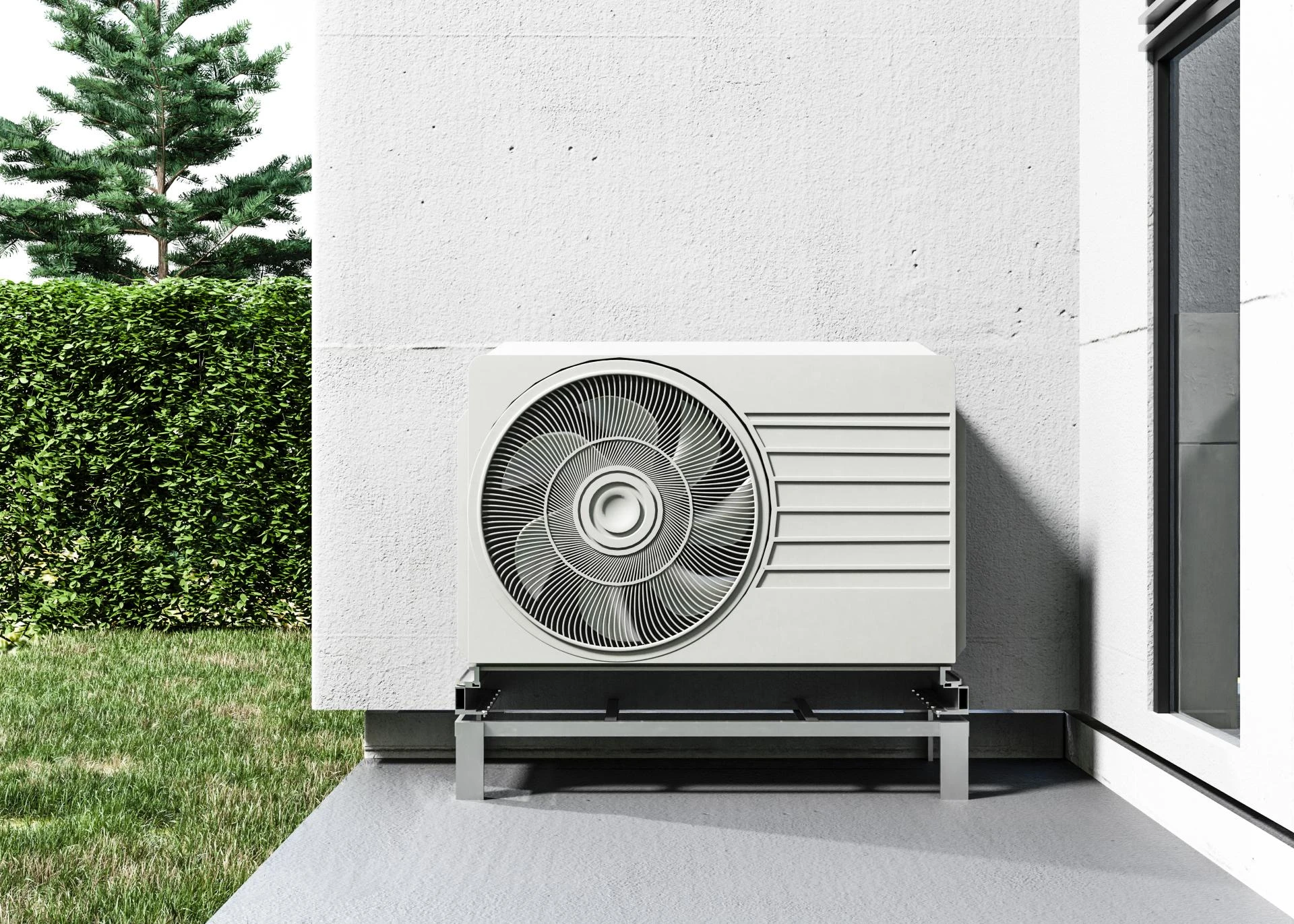
Heat pump technology has become an important part of modern HVAC systems, offering energy-efficient heating and cooling for residential and commercial spaces. Among the products discussed in recent technical discussions is the Nordica heat pump, which is often promoted for its efficiency and compact system design. However, questions have emerged regarding how the published efficiency ratings compare with real-world performance and industry testing standards.
Understanding Efficiency Ratings
Heat pumps are typically evaluated using several key performance metrics, including SEER (Seasonal Energy Efficiency Ratio), EER (Energy Efficiency Ratio), COP (Coefficient of Performance), and HSPF (Heating Seasonal Performance Factor). These ratings help determine how effectively a unit converts electrical energy into heating or cooling output.
In promotional materials, Nordica heat pump models have been described with relatively strong efficiency figures. However, analysts reviewing available technical data point out that performance claims should always be verified through standardized laboratory testing and recognized certification programs. Without independent verification, efficiency ratings may not fully represent how the system performs in everyday conditions.
Concerns Around Published Data
Some technical reviews highlight inconsistencies between certain published performance numbers and calculations derived from the same specifications. For example, in one analysis of Nordica models, the cooling capacity and power input values reportedly produce different efficiency results when recalculated using standard formulas.
Similarly, questions have been raised about heating performance figures such as COP values, where the calculated efficiency based on watt input can appear lower than the numbers listed in promotional specifications. These discrepancies have led analysts to call for clearer documentation and independent verification of the performance data.
Importance of Independent Testing
In the HVAC industry, independent testing organizations and regulatory standards play a critical role in verifying system performance. Third-party testing ensures that heating and cooling equipment meets established efficiency requirements and provides accurate information for contractors, engineers, and building owners.
When systems undergo transparent certification and testing, buyers gain greater confidence in the accuracy of performance claims.
Conclusion
The discussion around Nordica heat pump efficiency highlights the broader need for transparent data and independently verified performance ratings in the HVAC sector. While the system may offer promising features, careful review of efficiency metrics, testing methods, and regulatory compliance is essential before drawing conclusions about its true operational performance.