Grain storage is an essential part of preserving the quality and longevity of harvested crops. Farmers and grain handlers must pay close attention to several factors that affect the grain during storage. What are the key conditions that need to be monitored to ensure the quality of stored grain remains intact?
Let's explore the key factors that contribute to maintaining the quality of stored grain and how to manage them effectively.
The Importance of Temperature Control
Temperature plays a critical role in grain storage, as it directly influences the moisture content and the likelihood of grain deterioration. When the temperature is too high, grain can begin to deteriorate more quickly due to increased respiration and insect activity. Conversely, very low temperatures can lead to condensation inside storage bins, potentially leading to mold growth and spoilage.
To maintain an optimal temperature, grain storage should be kept within a controlled range. Often, this requires using grain drying equipment to reduce moisture levels in the grain, preventing microbial growth and reducing the risk of spoilage. Grain drying equipment helps regulate temperature fluctuations, ensuring that the grain is kept in the most stable environment possible for long-term storage.
Managing Moisture Levels Effectively
Moisture content is one of the most crucial factors affecting grain quality. High moisture levels promote the growth of molds, fungi, and bacteria, which can significantly reduce the quality of stored grain and even make it unsuitable for consumption. On the other hand, too little moisture can cause the grain to become brittle and affect its nutritional value.
The Role of Airflow in Grain Storage
Airflow is another critical factor that directly affects the quality of stored grain. Proper airflow helps prevent the buildup of heat and moisture inside storage facilities, which can lead to spoilage. Ventilation systems should be installed in grain bins to maintain continuous airflow, prevent hot spots, and reduce humidity.
Inadequate airflow can cause pockets of high temperature and humidity, creating an environment conducive to the growth of harmful fungi and insects. By maintaining optimal airflow, the temperature and moisture levels in grain bins can be regulated more efficiently, further preserving the grain quality. Air circulation is particularly crucial in larger storage facilities or silos, where temperature variations can be more pronounced. Monitoring airflow using integrated systems can help maintain the ideal storage conditions.
Monitoring Grain Quality with Grain Testing Equipment
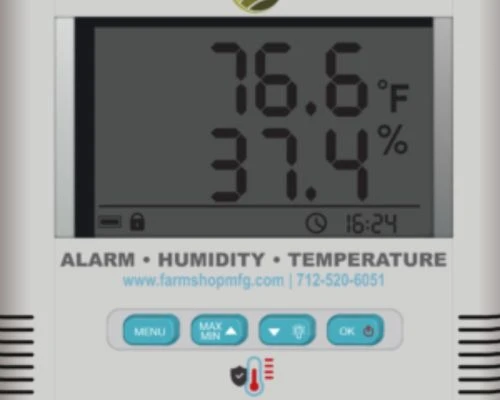
Effective monitoring of grain quality can only be achieved through regular and accurate testing. Grain testing equipment plays a vital role in this process. It allows grain handlers to measure parameters such as moisture content, temperature, and other factors that affect grain quality. Using this equipment, farmers and warehouse operators can identify any issues early, such as excessive moisture or high temperature, which could lead to spoilage.
Regular testing ensures that grain remains safe for long-term storage and that the quality is preserved for use in various applications, from animal feed to human consumption. Investing in high-quality grain testing equipment provides peace of mind by ensuring that grain is being stored under the best possible conditions. It also allows for more efficient operations, reducing the risk of loss and ensuring that the grain remains marketable.
Best Practices for Grain Storage
To maintain the quality of stored grain, it's essential to implement some best practices that go beyond temperature, moisture, and airflow control. These practices help to optimize the entire storage process, ensuring that the grain remains in the best possible condition from harvest to consumption.
● Proper Cleaning and Maintenance: Before storing grain, it is important to thoroughly clean the storage bins or silos. Any leftover residue from previous harvests could affect the quality of the new grain. Regular maintenance of the storage facilities, including ventilation systems, ensures that the grain storage environment remains optimal.
● Use of Effective Pest Control: Insects and rodents can cause significant damage to stored grain, leading to contamination and loss. Effective pest control methods should be used to keep these threats at bay, such as sealing storage bins and using safe, non-toxic pest control methods.
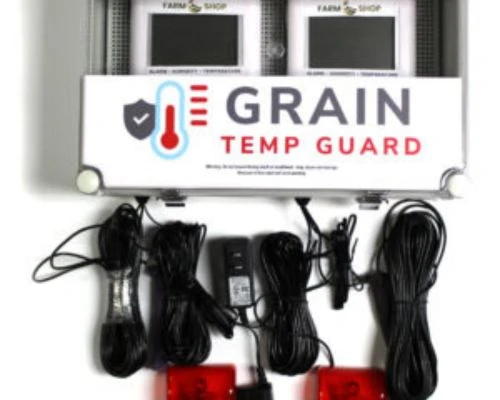
● Regular Monitoring: The key to maintaining quality is constant monitoring. Using automated systems that continuously track temperature, moisture levels, and airflow can provide real-time data to help manage storage conditions effectively.
Conclusion
Maintaining the quality of stored grain is a multi-faceted process that requires attention to temperature, moisture levels, airflow, and regular testing. By using grain drying equipment and grain testing equipment, operators can ensure that grain remains at its optimal quality for long-term storage. Effective management of these storage conditions helps to reduce losses and ensure that grain is suitable for various uses.
Are you currently optimizing your storage conditions to maintain grain quality? If not, implementing these practices could make a significant difference in the longevity and quality of your stored grain.
Enhance your grain storage management today with advanced monitoring tools and equipment to ensure optimal quality and longevity.