Digital video recording systems play a critical role in modern surveillance infrastructure. They serve as the central hub for recording, storing, and managing security footage collected from cameras installed across homes, offices, commercial facilities, warehouses, and industrial sites. While surveillance systems help protect property and assets, they can themselves become targets if not properly secured.
Unauthorized access to recording systems can result in stolen footage, compromised privacy, disabled surveillance functions, and even complete system manipulation. As cyber threats continue to evolve, protecting a DVR system has become just as important as installing cameras in the first place.

This guide explores the risks associated with unauthorized access, common vulnerabilities, and practical measures that organizations and property owners can take to secure their surveillance recording systems.
Why DVR Security Matters
Many people focus primarily on camera placement and image quality while overlooking the security of the recording device itself. However, the recorder contains some of the most sensitive information within a surveillance system.
A compromised recording system can allow attackers to:
- View live surveillance feeds
- Access recorded footage
- Delete critical evidence
- Disable camera recordings
- Change system configurations
- Gain entry to connected networks
For businesses, these security breaches can lead to financial losses, legal complications, and reputational damage. For homeowners, unauthorized access can create serious privacy concerns.
Securing surveillance infrastructure should therefore be a priority for every system owner.
Common Threats to DVR Systems
Understanding potential risks is the first step toward preventing unauthorized access.
Weak Passwords
One of the most common security weaknesses involves default or weak login credentials. Many users install recording systems and never change factory-default usernames and passwords.
Cybercriminals frequently use automated tools to scan the internet for vulnerable devices that still use default credentials.
Unsecured Remote Access
Remote monitoring is a valuable feature, but improperly configured remote access can expose systems to external threats.
Poorly protected internet-connected devices may become easy targets for unauthorized users attempting to gain control of surveillance systems.
Outdated Firmware
Manufacturers regularly release firmware updates to address security vulnerabilities. Systems running outdated software may contain known weaknesses that attackers can exploit.
Shared User Accounts
Using a single login account for multiple employees makes it difficult to track activity and increases security risks.
Shared credentials often remain active even after personnel changes, creating opportunities for unauthorized access.
Network Vulnerabilities
Recording systems connected to poorly secured networks may become exposed through weaknesses in routers, switches, wireless networks, or other connected devices.
The Consequences of Unauthorized Access
Security breaches can have significant consequences depending on the environment where the surveillance system operates.
Loss of Critical Evidence
If footage is altered, deleted, or corrupted, important evidence may become unavailable during investigations.
This can impact:
- Criminal investigations
- Insurance claims
- Workplace incident reviews
- Legal proceedings
Privacy Violations
Surveillance footage often contains sensitive information about employees, customers, visitors, and property owners.
Unauthorized viewing or distribution of recordings can result in privacy violations and regulatory issues.
Operational Disruption
Attackers may disable recording functions or modify system settings, reducing the effectiveness of the surveillance infrastructure.
Without reliable recording capabilities, organizations lose visibility into security events.
Creating Strong Authentication Policies
One of the most effective ways to protect surveillance systems is through strong authentication practices.
Use Complex Passwords
Passwords should include:
- Uppercase letters
- Lowercase letters
- Numbers
- Special characters
Avoid using predictable information such as names, dates of birth, company names, or simple sequences.
Change Default Credentials Immediately
Factory-default usernames and passwords should always be changed during installation.
This simple step eliminates one of the most common attack vectors used by cybercriminals.
Implement Multi-Factor Authentication
Where available, multi-factor authentication provides an additional layer of security by requiring secondary verification beyond a password.
Even if login credentials are compromised, attackers may still be unable to access the system.
Managing User Permissions Effectively
Not every user requires full administrative access.
Organizations should create role-based permissions that limit access according to job responsibilities.
Examples include:
- Administrators
- Security managers
- Supervisors
- Monitoring personnel
- Maintenance staff
Restricting access reduces the likelihood of accidental changes and limits exposure if an account becomes compromised
 .
.
Securing Network Connections
A surveillance system is only as secure as the network it operates on.
Use Firewalls
Firewalls help monitor and control incoming and outgoing network traffic.
Proper firewall configuration can prevent unauthorized access attempts while allowing legitimate communication.
Separate Surveillance Networks
Many organizations place surveillance devices on dedicated network segments separate from business operations.
Network segmentation reduces the impact of potential breaches and limits attacker movement within the organization.
Secure Wireless Connections
If wireless connectivity is used, strong encryption protocols should be enabled.
Weak or outdated wireless security settings can create vulnerabilities that expose surveillance systems to unauthorized access.
Keeping Firmware Updated
Firmware updates often contain critical security improvements.
System administrators should:
- Monitor manufacturer update releases
- Apply security patches promptly
- Test updates in controlled environments when possible
- Maintain documentation of update schedules
Regular updates help close security gaps before attackers can exploit them.
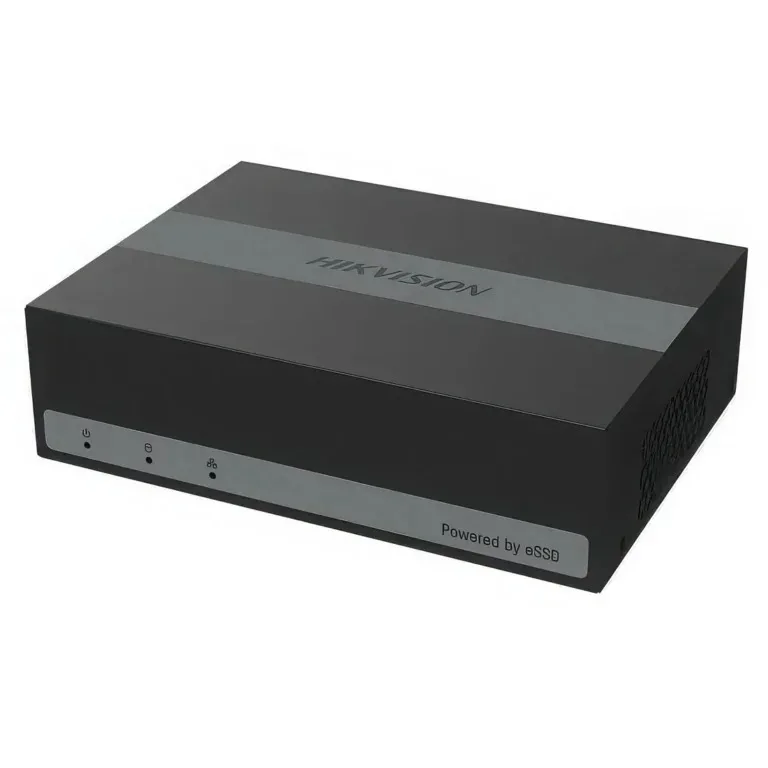
Advanced solutions such as Hikvision Technology Base DVR systems often include enhanced security features, but these protections remain most effective when firmware remains current.
Monitoring System Activity
Continuous monitoring helps identify suspicious behavior before it becomes a serious problem.
Administrators should regularly review:
- Login attempts
- User activity logs
- Configuration changes
- Remote access sessions
- Network connection records
Unusual activity may indicate attempted breaches or unauthorized access attempts.
Protecting Remote Access Features
Remote viewing capabilities offer convenience but must be carefully secured.
Best practices include:
Limit Access to Authorized Users
Only individuals who genuinely require remote access should receive permissions.
Use Secure Connections
Encrypted communication channels help protect login credentials and surveillance data from interception.
Disable Unused Services
Features that are not actively used should be disabled to reduce potential attack surfaces.
Physical Security Remains Important
Cybersecurity is essential, but physical protection should not be overlooked.
Recording equipment should be installed in secure locations such as:
- Locked equipment rooms
- Security offices
- Access-controlled cabinets
- Restricted maintenance areas
Physical access to the recorder can allow attackers to disconnect, damage, reset, or steal equipment.
Data Backup and Recovery Planning
Even well-protected systems can experience failures, cyberattacks, or hardware issues.
Organizations should maintain backup strategies that include:
- Regular footage backups
- Configuration backups
- Disaster recovery procedures
- Redundant storage systems
These measures help ensure important recordings remain available when needed.
Security Considerations for Large Surveillance Deployments
Large facilities often manage dozens or even hundreds of cameras through centralized recording systems.
When evaluating larger installations, buyers frequently compare specifications and 16 channel DVR price in Pakistan to determine the most suitable solution for their operational requirements.
As system size increases, access management, network security, and user controls become even more important. Larger deployments require structured security policies and routine audits to maintain protection.
Advanced Security Features in Modern DVR Systems
Today's surveillance technology includes features designed specifically to strengthen cybersecurity.
Examples include:
- Encrypted data transmission
- User access auditing
- Secure cloud integration
- Device authentication
- Intrusion detection alerts
- Role-based access controls
Specialized systems such as Hikvision Vehicle Analysis DVR solutions also support advanced monitoring functions while incorporating enhanced security capabilities for transportation and vehicle surveillance environments.
Employee Training and Security Awareness
Technology alone cannot prevent every security incident.
Employees responsible for surveillance systems should receive training on:
- Password management
- Phishing awareness
- Secure login practices
- Access control policies
- Incident reporting procedures
Human error remains one of the leading causes of cybersecurity breaches, making education a critical component of system protection.
The Future of DVR Security
As surveillance systems become increasingly connected, security technologies will continue evolving.
Future developments may include:
- AI-driven threat detection
- Behavioral analytics
- Zero-trust security architectures
- Enhanced encryption methods
- Automated vulnerability assessments
- Advanced identity verification systems
These innovations will help organizations stay ahead of emerging cyber threats while maintaining reliable surveillance operations.