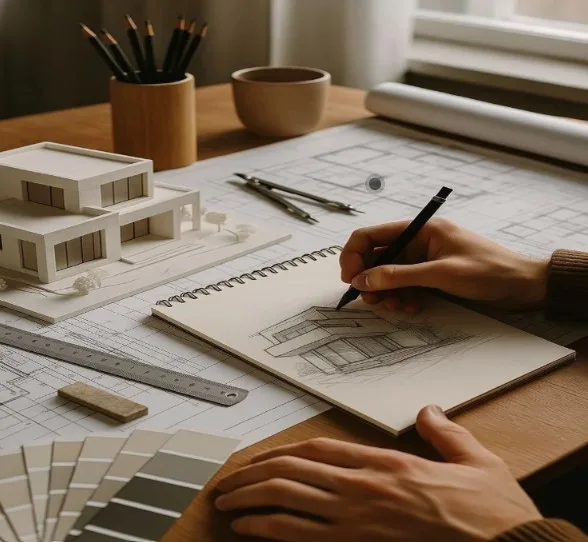
Discover everything you need to know about property management for rentals. Learn how to effectively manage, maintain, and grow your rental business.
Property management for rentals refers to the process of overseeing and managing rental properties on behalf of property owners. Whether it's a residential property, commercial building, or vacation rental, property management involves a wide range of responsibilities, from rent collection and maintenance to tenant communication and legal compliance.
For anyone in the rental property business, understanding the essential components of property management is crucial to maintaining a profitable and stress-free operation. Property management for rentals isn't just about collecting rent; it’s about providing excellent tenant service, maintaining the property’s value, and ensuring compliance with local laws and regulations.
In this guide, we will explore the core aspects of property management, highlight best practices, and provide valuable insights to help you run a successful rental business.
The Importance of Property Management for Rentals
Why Property Management Matters for Your Rental Business
Effective property management can make or break your rental business. A well-managed property ensures that tenants are happy, rental income is steady, and the property remains in good condition. Poor management, on the other hand, can lead to tenant turnover, legal issues, and damage to the property.
Here are a few reasons why property management is essential:
- Tenant Satisfaction: Happy tenants are more likely to renew their lease and recommend your property to others.
- Maintenance and Upkeep: Regular maintenance prevents costly repairs and ensures the property stays in good shape.
- Legal Compliance: Staying up to date with local landlord-tenant laws helps avoid legal complications.
- Profitability: Proper management maximizes your rental income by keeping vacancies low and ensuring timely rent collection.
Key Responsibilities of Property Managers
A property manager has several responsibilities that help keep everything running smoothly. Let's break them down:
1. Tenant Screening and Leasing
The first step in property management is finding the right tenants. A property manager is responsible for marketing the property, showing it to potential tenants, and screening applicants. This process typically involves checking background and credit history, verifying rental history, and ensuring that tenants are financially capable of paying the rent.
2. Rent Collection and Financial Management
Property managers handle rent collection, ensuring that payments are made on time. They also track income and expenses, pay property-related bills, and may even assist with tax documentation. Ensuring financial transparency is key to maintaining a profitable business.
3. Maintenance and Repairs
Keeping a property well-maintained is one of the most important aspects of property management. Property managers are responsible for responding to maintenance requests, scheduling repairs, and overseeing property upkeep. Whether it’s fixing a leaking pipe or conducting seasonal checks, regular maintenance helps preserve the property's value.
4. Legal Compliance
Property managers must ensure the rental property complies with local, state, and federal laws. This includes lease agreements, fair housing laws, eviction procedures, and security deposit regulations. A violation can result in fines or legal action, so understanding and staying up-to-date on the laws is essential.
How to Manage Property for Rentals Efficiently
1. Leverage Technology and Property Management Software
In today’s digital age, property management software like Hostfully can help streamline the management process. These tools automate key tasks such as rent collection, maintenance requests, and financial tracking, making it easier to stay organized.
2. Build Strong Relationships with Tenants
Effective communication is key to tenant satisfaction. Being responsive to tenant requests and maintaining a professional relationship can lead to longer tenancies and fewer issues. Tenants who feel heard and respected are more likely to renew their lease, which reduces turnover costs.
3. Conduct Regular Property Inspections
Regular inspections allow property managers to identify potential problems before they become expensive issues. Inspections should be scheduled at least once a year, but some landlords prefer quarterly or bi-annual checks. Make sure tenants are notified in advance to ensure smooth access to the property.
Best Practices for Property Management for Rentals
1. Screen Tenants Carefully
Tenant screening is one of the most important steps in property management. Ensuring that tenants have a good rental history, stable income, and a clear criminal background can prevent future problems and reduce tenant turnover.
2. Maintain Open Communication
Clear communication is crucial. Whether it’s via email, phone, or through an online portal, maintaining transparency with your tenants helps foster a good relationship. Be prompt and professional in responding to requests or complaints.
3. Keep Accurate Financial Records
Proper record-keeping is essential for both tax purposes and general business operations. Maintain accurate records of rent payments, repairs, and any other expenses related to the property. This will help you stay organized and avoid any issues with financial discrepancies.
How to Choose the Right Property Management Company
If managing the day-to-day operations of rental properties seems overwhelming, hiring a property management company can help. Here are key factors to consider when choosing the right company:
- Experience and Reputation: Look for companies with a strong track record and positive reviews from clients.
- Services Offered: Ensure the company offers the specific services you need, such as tenant screening, maintenance, and legal compliance.
- Pricing Structure: Understand the pricing model. Some companies charge a flat fee, while others charge a percentage of rental income.
- Technology Use: Ensure they use up-to-date property management software to make operations more efficient.
Frequently Asked Questions (FAQ)
What is property management for rentals?
Property management for rentals involves overseeing the day-to-day operations of a rental property, including tenant screening, rent collection, maintenance, and legal compliance.
What are the main duties of a property manager?
The main duties of a property manager include tenant screening, rent collection, maintenance management, and ensuring legal compliance with local landlord-tenant laws.
How do property managers screen tenants?
Property managers screen tenants by checking their credit history, criminal background, and rental history. They also verify income and ensure the tenant can afford the rent.
Why is maintenance important in property management?
Maintenance is important because it ensures the property stays in good condition, prevents costly repairs, and keeps tenants happy, which can lead to longer tenancies.
How can technology help in property management?
Technology, like property management software, helps automate tasks such as rent collection, maintenance requests, and financial tracking, improving efficiency and organization.
What are the benefits of hiring a property management company?
Hiring a property management company can save time, ensure legal compliance, handle tenant issues, and streamline the operations of your rental business, allowing you to focus on other aspects.
This comprehensive guide has walked you through the ins and outs of property management for rentals, offering key insights on how to effectively manage rental properties, ensure tenant satisfaction, and keep your rental business profitable. By implementing best practices and leveraging modern tools like Hostfully, you can elevate your property management experience and maximize your returns.