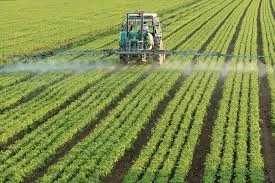
The regenerative agriculture market is evolving rapidly as stakeholders seek sustainable, climate-resilient food systems. Market research reveals strong growth potential driven by shifting consumer preferences, environmental concerns, and supportive policy frameworks. This article explores the key findings and insights from the latest regenerative agriculture research to guide investors, farmers, and policymakers.
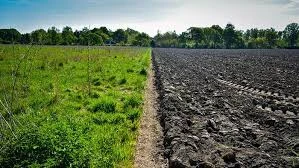
Expanding Market Size Driven by Global Sustainability Trends
Research indicates a significant rise in the adoption of regenerative practices across North America, Europe, and emerging markets in Asia-Pacific. The market is expanding due to increasing awareness of soil degradation, climate change, and food system vulnerabilities. Corporates and governments are investing in regenerative projects as a response to environmental, social, and governance (ESG) commitments.
In North America, large food companies are integrating regenerative sourcing strategies, while in Europe, stringent environmental policies are fostering broader implementation. The Asia-Pacific region shows early signs of growth, especially in India, Australia, and China, where pilot projects and startup activity are increasing.
Key Market Drivers Identified in Recent Research
According to recent studies, the main drivers propelling the regenerative agriculture market include:
- Soil Health Restoration: Growing focus on reversing soil degradation through organic matter enrichment and minimal tillage.
- Carbon Sequestration Potential: Farmers and agribusinesses see regenerative agriculture as a solution to capture atmospheric carbon and contribute to climate change mitigation.
- Consumer Demand for Sustainable Products: Environmentally conscious consumers are influencing retailers and manufacturers to invest in regenerative sourcing.
- Corporate Sustainability Goals: Companies like General Mills, Nestlé, and Unilever are committing to regenerative farming within their supply chains.
- Government Incentives: Public subsidies, carbon credits, and R&D grants are promoting adoption across various geographies.
Segmentation Insights: By Practice, Crop Type, and End User
The research segments the market by farming practices such as cover cropping, no-till farming, agroforestry, rotational grazing, and compost application. Among these, no-till farming and cover cropping dominate in North America and Europe due to their measurable benefits and ease of implementation.
By crop type, regenerative agriculture is most widely applied in cereal grains, vegetables, and fruits. These segments benefit from diversified planting, natural fertilization, and pest control. End users include individual farmers, agricultural cooperatives, food manufacturers, and research institutions.
Technology Integration and Digital Innovation
Modern research highlights the growing role of technology in scaling regenerative agriculture. Satellite imaging, soil sensors, drones, and precision agriculture tools are enhancing farm monitoring, data collection, and impact assessment.
Tech-enabled platforms are also being used to certify regenerative practices and connect producers with eco-conscious consumers. This innovation layer is creating a bridge between traditional farming and high-efficiency, data-driven agriculture.
Barriers to Adoption and Research Gaps
While the market outlook is promising, research identifies several constraints:
- Lack of Standardized Metrics: A uniform definition and certification for regenerative practices is still evolving, which creates ambiguity in market reporting.
- Economic Risks for Farmers: Transitioning to regenerative practices may lead to initial yield drops or costs, which many farmers are hesitant to absorb.
- Limited Extension Services: Especially in developing regions, the lack of trained agronomists and educational programs hinders practical adoption.
Future research must focus on long-term economic returns, scalable pilot models, and mechanisms for measuring ecosystem service outcomes.
Competitive Landscape and Key Players
The regenerative agriculture market is becoming increasingly competitive, with a mix of startups, cooperatives, and large agribusinesses entering the space. Key players include:
- Indigo Ag – Offering carbon farming programs and digital tools.
- General Mills – Committed to advancing regenerative practices across millions of acres.
- Regrow Ag – Specializing in regenerative verification and impact analytics.
- Soil Capital – Supporting European farmers in transitioning to regenerative models.
Collaborations between food companies, non-profits, and technology providers are accelerating innovation and outreach.
Policy and Institutional Support
Research emphasizes the importance of government frameworks to stimulate regenerative agriculture. In the U.S., the USDA and state-level initiatives are funding soil health programs. The EU's Green Deal and Common Agricultural Policy (CAP) offer financial incentives for regenerative transition.
Multilateral organizations like the FAO and World Bank are also supporting research and capacity-building in lower-income regions.
Future Outlook and Research Recommendations
Market research concludes that regenerative agriculture holds significant promise as a climate-positive farming approach. However, its scalability depends on:
- Developing clear standards and certification frameworks.
- Expanding financing and insurance tools for farmers.
- Strengthening public-private partnerships for education and infrastructure.
- Increasing data transparency to validate environmental benefits.
With the right policies, investments, and innovation, regenerative agriculture can transition from niche practice to mainstream solution by the end of this decade.
Conclusion
In summary, recent research on the regenerative agriculture market presents a compelling case for its rapid growth, supported by technology, policy, and sustainability goals. Continued investment in science, tools, and training will be critical to unlocking its full environmental and economic potential.