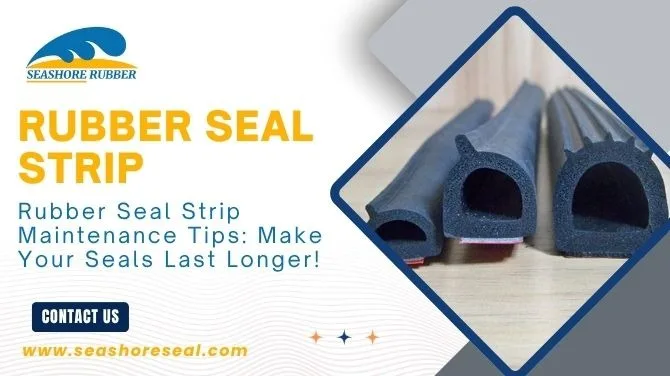
Rubber seal strips are essential components in a wide variety of industries and everyday applications. From automotive doors and industrial machinery to windows, refrigerators, and marine equipment, rubber seal strips play a pivotal role in preventing air, water, dust, and noise infiltration. However, to ensure these vital elements continue to perform optimally over time, regular maintenance is crucial. Unfortunately, many end-users overlook the simple yet crucial care these seals require, which can lead to premature wear, leaks, inefficiency, and costly replacements.
At Qingdao Seashore Industrial Co., Ltd., we have been manufacturing high-quality rubber seal strips designed to meet the demanding requirements of diverse industries. Our experience in rubber technology has taught us the importance of proactive maintenance to maximize the longevity and performance of every seal.
Why Rubber Seal Strips Matter?
It is important to recognize the significance of rubber seal strips. These flexible, resilient elements are designed to create airtight or watertight seals, absorb vibration, and improve insulation. Properly installed seals help:
- Extend the lifespan of equipment by preventing moisture, dust, and pollutants from entering sensitive areas.
- Enhance energy efficiency, reducing heating and cooling costs by sealing leaks around doors and windows.
- Improve comfort and safety in vehicles and homes by blocking out noise and dampening vibrations.
Given their critical functions, it is clear that paying attention to rubber seal strip maintenance is not just about aesthetics but also about operational efficiency and longevity.
Understanding the Causes of Rubber Seal Strip FailureTo effectively maintain your rubber seal strips, you must first understand why they fail. Several factors contribute to the premature deterioration of rubber seals, including:
1. Environmental Exposure
Rubber seal strips are exposed to a variety of adverse environmental elements, such as UV rays, ozone, extreme temperatures, water, and chemicals. Over time, these factors can cause the rubber compound to break down, harden, crack, or lose flexibility.
2. Mechanical Stress
Repeated compression, stretching, or abrasion leads to physical wear. In applications where the seal is frequently moved or subjected to vibration, the risk of wear is even higher.
3. Improper Installation
A seal that is installed incorrectly—whether it is twisted, stretched too tight, or not securely fixed—will suffer undue stress, reducing its service life.
4. Chemical Attack
Certain cleaning agents, lubricants, or environmental chemicals may react adversely with rubber compounds, causing softening, swelling, or hardening.
5. Lack of Cleaning and Maintenance
Neglected rubber seal strips accumulate dust, debris, and contaminants, which can interfere with their sealing performance and accelerate deterioration.
With these causes in mind, let’s proceed to the key maintenance tips that will help extend the life of your rubber seal strips.
Essential Rubber Seal Strip Maintenance Tips1. Inspect Regularly
Firstly, it is important to develop a routine inspection schedule. By inspecting your rubber seal strips at least once a month, you can quickly identify early warning signs such as cracks, hard spots, discoloration, or deformation. In industrial or automotive applications, inspections might need to be conducted more frequently, depending on usage patterns and environmental conditions.
What to Look For:
- Surface cracks or splits: Indicate drying and aging.
- Loss of elasticity: Gently press and release the seal; it should spring back into shape.
- Discoloration or swelling: A sign of chemical attack or environmental exposure.
- Dust or debris buildup: Physical blockages can compromise the seal.
2. Clean with Care
Many users make the mistake of cleaning rubber seal strips with harsh chemicals or abrasive materials. Instead, use a soft cloth or sponge and warm, soapy water to gently wipe away dust, dirt, and grime. Avoid solvents, strong detergents, or bleach, as these can degrade the rubber compound.
Cleaning Steps:
- Wipe away loose dust with a dry microfiber cloth.
- Apply mild soap and water—using a sponge, gently clean the seal surface
- Rinse thoroughly with clean water to remove any soap residue.
- Dry the seal with a soft, dry towel to prevent water spots.
For difficult-to-reach areas, use a soft-bristled toothbrush.
3. Condition the Rubber
Just as leather requires conditioning, so do rubber seal strips. A quality rubber conditioner (also called rubber protectant) keeps the rubber supple, restores flexibility, and forms a protective layer against UV rays and ozone. Apply the conditioner according to the manufacturer’s directions, usually by wiping it onto the rubber with a clean cloth. Make sure to select a conditioner formulated for rubber, such as silicone-based sprays or gels.
4. Lubricate Moving Seals
In applications where the seal is frequently in motion (such as car doors or windows), periodic lubrication can greatly reduce friction and prevent sticking. Silicone-based lubricants are ideal because they do not degrade rubber and provide long-lasting protection. Spray or apply a thin layer to the rubber seal, then wipe off any excess.
5. Protect from Direct Sunlight and Ozone
Where possible, limit prolonged exposure to direct sunlight and ozone-generating equipment. Both UV rays and ozone accelerate rubber degradation. In automotive and outdoor equipment, consider parking in shaded areas or using covers when the equipment is not in use.
6. Prevent Chemical Exposure
Ensure that the seals are not exposed to oils, fuels, solvents, or harsh cleaners unless they are specifically designed to resist those chemicals. For environments where such exposures are unavoidable, select rubber seal strips made from more resistant compounds (such as EPDM for ozone/UV resistance or FKM for chemical resistance).
7. Avoid Excessive Compression
Seals are designed to be compressed only within a certain range. Over-compression can flatten the seal, reducing its ability to spring back and form a proper seal. Follow manufacturer recommendations for installation, and make sure hardware is not overtightened.
8. Replace When Necessary
No matter how well you maintain them, rubber seal strips do have a finite lifespan. If you notice significant damage, hardening, or loss of sealing ability, promptly replace the seal. Always use a high-quality replacement from a trusted manufacturer like Qingdao Seashore Industrial Co., Ltd., ensuring compatibility with your application.
Certain environments or applications may require enhanced maintenance protocols or specialized rubber seal strips.
- For Extreme Temperatures
If your equipment is exposed to high or low temperatures, select rubber seal strips made from materials with suitable temperature ratings. For instance, silicone rubber performs well in both high and low temperatures, whereas EPDM is excellent for outdoor and automotive uses due to its resistance to UV and ozone. - For Chemical Resistance
Industrial or laboratory settings may expose seals to aggressive chemicals. In such cases, choose seal strips made from fluorocarbon rubber (FKM) or other chemically resistant materials. - For Marine Environments
Marine applications demand seals that can withstand saltwater, sunlight, and continuous moisture. Regular cleaning, protective treatments, and the use of marine-grade EPDM or neoprene rubber are essential for these applications.
Maintenance only benefits you if the original seal strip is fit for purpose. Therefore, consider the application, environment, and compatibility when selecting a rubber seal strip. At Qingdao Seashore Industrial Co., Ltd., we offer a wide range of solutions tailored to various industries, including:
- EPDM rubber seal strips: Ideal for automotive, construction, and outdoor use.
- Silicone rubber seal strips: Suitable for food-grade, medical, and high-temperature applications.
- Neoprene rubber seal strips: Used for marine, HVAC, and general industrial applications.
Rubber seal strips are the silent guardians of performance, efficiency, and safety in countless applications—from the doors and windows in your home to the sophisticated machinery in industrial plants. As simple as they appear, these components demand regular care and routine maintenance to deliver optimal protection against the elements.
By following the practical maintenance tips outlined above, you can extend the lifespan of your rubber seal strips, protect your equipment, and ensure ongoing operational effectiveness. Most importantly, proactive maintenance will save on long-term costs and prevent avoidable breakdowns, keeping your systems running smoothly for years to come.
Frequently Asked Questions (FAQ)Q1: How often should I inspect and clean my rubber seal strips?
A: Inspections should generally be performed monthly. Clean seals at least every three months, or more frequently if exposed to dirt, dust, or harsh environments.
Q2: What products can I use to condition my rubber seal strips?
A: Use a rubber conditioner or protectant specifically designed for rubber, such as a silicone spray or gel. Avoid petroleum-based products or products not intended for rubber, as these can cause deterioration.
Q3: My rubber seal strips have turned hard and started to crack. Can I restore them?
A: Unfortunately, once rubber has hardened or cracked, it usually cannot be restored to its original condition. Conditioning treatments can slow deterioration, but damaged seals should be replaced with new ones.
Q4: Is there a difference between indoor and outdoor rubber seal strip maintenance?
A: Yes. Outdoor seals are exposed to sun, UV, ozone, rain, and temperature extremes, requiring more frequent inspection, cleaning, and conditioning. Indoor seals are generally less exposed but still need regular care, especially in high-traffic or high-use areas.
Q5: How do I know if a chemical will damage my rubber seal strip?
A: Consult the technical datasheet for your particular rubber seal strip or ask your supplier (such as Qingdao Seashore Industrial Co., Ltd.). Always check chemical compatibility before using any cleaning or lubricating product.
Q6: Can I cut or modify rubber seal strips to fit my application?
A: Yes, most rubber seal strips can be cut to length with a sharp utility knife or scissors. However, make sure to use clean, straight cuts and avoid stretching the material during installation for the best performance.
Q7: Should I use glue or adhesive to install rubber seal strips?
A: For some applications, adhesive-backed seal strips are available for easy installation. In other cases, a recommended adhesive or mechanical fasteners can be used. Always follow manufacturer instructions for installation.
Q8: Are there eco-friendly options for rubber seal strips?
A: Yes, some rubber compounds can be manufactured using more environmentally friendly processes, and certain materials are more easily recycled. Ask your supplier about sustainable rubber options if environmental impact is a consideration.
Q9: What is the expected lifespan of a rubber seal strip?
A: The lifespan varies depending on the material, usage, environment, and maintenance. With proper care, many high-quality rubber seal strips can last 5–10 years in typical conditions, but harsh environments may shorten this period.
Q10: Where can I buy replacement rubber seal strips?
A: Qingdao Seashore Industrial Co., Ltd. offers a comprehensive range of rubber seal strips for all industries. Contact us directly for product advice and sourcing solutions tailored to your needs.