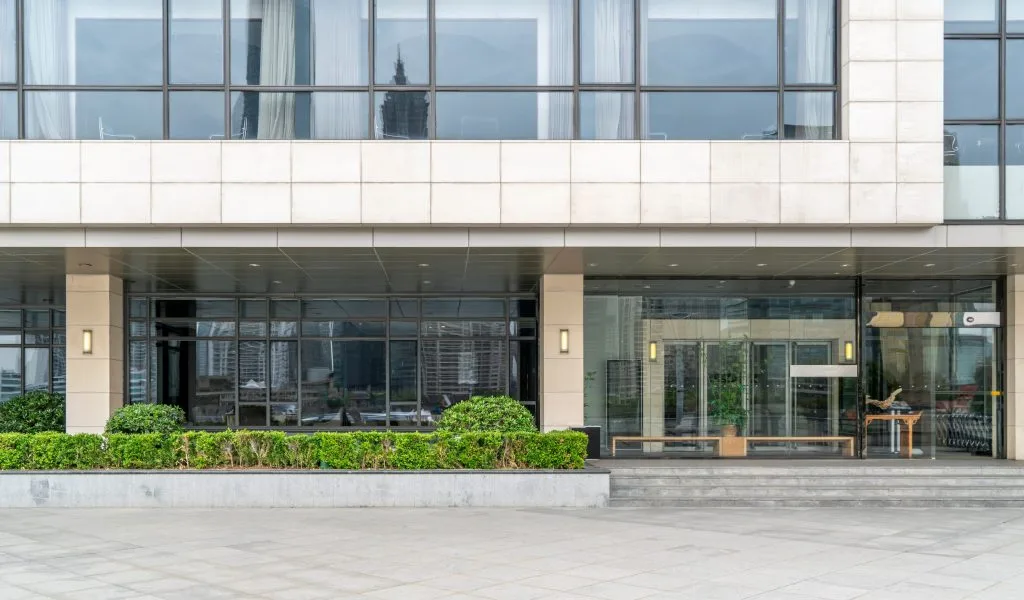

Seattle's real estate market in 2026 is giving buyers, renters, business owners, and investors a very different set of choices than they had a few years ago. The market isn't simply “hot” or “cold.” Instead, different property types and neighborhoods are moving at different speeds.
For residential buyers, higher borrowing costs and softer demand are creating more room to negotiate. Renters are seeing a little more breathing room in some parts of the city, although affordability remains a major concern. Commercial tenants have more options than they did during the tightest parts of the market, particularly in office space. Meanwhile, investors evaluating Seattle buildings for sale need to pay closer attention to property quality, location, tenant stability, and long-term operating costs.
The most important lesson is simple: Seattle real estate is becoming a market where careful research matters more than simply moving quickly.
Whether you're buying a home, looking for an apartment, leasing office space, or considering a commercial investment, understanding the latest market signals can help you make a more confident decision. Businesses evaluating a move should start with our Seattle commercial real estate overview, which breaks down current inventory across office, retail, restaurant, warehouse, and medical space.
What Are the Biggest Seattle Real Estate Trends in 2026?
Seattle's 2026 real estate market is increasingly favorable to informed buyers and selective renters. Residential buyers are benefiting from slower sales activity and greater negotiating leverage, while renters are seeing average asking rents below the previous year in Zillow's latest data. On the business side, commercial space for rent in Seattle remains highly segmented, with substantial office vacancy but stronger demand in selected suburban and high-quality locations.
The major trends to watch are:
- Buyers have more negotiating power than during the peak seller-driven years.
- Mortgage rates remain an important barrier to affordability.
- Seattle home prices have weakened compared with many major U.S. markets.
- Rental prices have softened year over year, although Seattle remains expensive.
- Office vacancy remains exceptionally high, especially downtown.
- High-quality, well-located commercial properties are outperforming weaker assets.
- Businesses searching for commercial space for rent in Seattle have more opportunities to negotiate lease terms.
- Investors looking at Seattle buildings for sale need to evaluate income, expenses, vacancy, and future demand—not just asking price.
- Location, transportation, building quality, and neighborhood amenities increasingly influence property decisions.
Seattle Real Estate Market at a Glance
The following indicators provide a useful snapshot of the market entering the second half of 2026.
Zillow reported an average Seattle rent of $2,127 as of July 26, 2026, down $49 from a year earlier. The average one-bedroom rent was $1,822.
On the commercial side, Cushman & Wakefield reported Seattle CBD office vacancy of 35.8% in Q2 2026, while suburban office vacancy reached 23.6%.
These figures shouldn't be interpreted as a single market-wide price signal. A renovated building in a strong location can behave very differently from an older property with significant vacancy.
Market IndicatorLatest Available DataWhat It MeansSeattle average rent$2,127Rental costs remain substantialSeattle 1-bedroom average rent$1,822Smaller units remain relatively expensiveSeattle rent year-over-year-$49Rent has softened compared with 2025Seattle CBD office vacancy35.8%Office tenants have significant choiceSeattle suburban office vacancy23.6%Suburban space also has elevated availabilityPuget Sound office vacancy28.2%Commercial tenants have negotiating leveragePuget Sound office asking rate$46.78/sq. ft.Pricing varies considerably by building and location
Is Seattle a Buyer's Market in 2026?
For many buyers, Seattle currently offers more negotiating leverage than it did during the strongest seller's-market periods. However, that doesn't mean every property is a bargain.
Redfin's recent national housing data shows Seattle among the major metros experiencing declining median sale prices. In its June 2026 report, Seattle's median sale price was down 4.9% year over year, while pending sales declined 10.8%.
By July, Redfin was still reporting Seattle among the metros with significant year-over-year declines in median sale price and pending sales.
That creates an interesting environment.
Buyers don't necessarily need to rush into the first property they like. They can compare homes, investigate inspection issues, review comparable sales, and negotiate more carefully.
At the same time, desirable properties can still attract serious competition.
What Does More Buyer Leverage Actually Mean?
Buyer leverage doesn't always appear as a dramatic price reduction.
It can take the form of:
- A seller accepting a lower offer
- A seller paying some closing costs
- A price reduction after a property sits on the market
- Inspection-related repairs
- A mortgage-rate buydown
- Flexible closing dates
- Additional contingencies
- Included appliances or other improvements
This is why buyers should look beyond the listing price.
A $900,000 home with $30,000 of necessary repairs isn't necessarily cheaper than a $925,000 home that's move-in ready.
The better question is: What will this property actually cost me over the next three to five years?
Why Are Seattle Home Buyers Taking More Time?
Affordability remains one of the biggest reasons.
Mortgage rates have remained around the mid-6% range in recent U.S. housing data. Redfin reported a weekly average 30-year mortgage rate of 6.49% at the end of June, while rates moved higher again during July.
For a buyer financing a large Seattle home purchase, even a small change in the mortgage rate can significantly affect the monthly payment.
Example
Imagine two buyers purchasing the same $900,000 property with a 20% down payment.
The loan amount would be $720,000.
At approximately 6.5%, principal and interest would be considerably higher than it would have been when mortgage rates were near 3%.
That means today's buyer has to think about monthly affordability, not just whether the purchase price looks reasonable.
A smart buyer should calculate:
- Mortgage principal and interest
- Property taxes
- Homeowners insurance
- HOA dues, if applicable
- Maintenance
- Utilities
- Potential renovation costs
- Emergency reserves
This approach gives a much clearer picture of affordability.
What Should Seattle Home Buyers Look for Now?
Today's buyer should prioritize quality and total cost of ownership rather than simply chasing the lowest asking price.
1. Strong Neighborhood Fundamentals
Look for areas with:
- Reliable transportation
- Walkability
- Grocery and retail access
- Restaurants and services
- Parks
- Good neighborhood infrastructure
- Employment accessibility
- Long-term development potential
Location still matters because buyers aren't only purchasing a building. They're buying access to everything around it.
2. Property Condition
Older Seattle homes can offer character and value, but maintenance can become expensive.
During due diligence, pay attention to:
- Roof condition
- Electrical systems
- Plumbing
- Heating systems
- Windows
- Foundation
- Drainage
- Insulation
- Sewer lines
- Moisture issues
A lower purchase price can quickly disappear if the property needs major repairs.
3. Resale Potential
Even if you plan to stay for 10 years, circumstances can change.
Consider whether the property will appeal to future buyers based on:
- Location
- Layout
- Parking
- Natural light
- Outdoor space
- Transportation
- School considerations
- Neighborhood amenities
- Building condition
Buying a property that is desirable to a broad range of future buyers can reduce resale risk.
Are Seattle Rents Going Down in 2026?
Seattle rents have softened compared with the previous year, although renting remains expensive.
Zillow's latest rental data, updated July 26, 2026, puts the average rent across all bedrooms and property types at $2,127. That's $49 lower than the previous year.
For one-bedroom apartments and condos, Zillow reported an average of $1,822, down $47 year over year.
This doesn't mean every Seattle renter will suddenly see a large rent reduction.
Rental prices vary by:
- Neighborhood
- Building age
- Unit size
- Amenities
- Parking
- Transit access
- Furnishing
- Lease length
- Building quality
A newer building in a popular neighborhood can command substantially more than an older property farther from major employment and transportation hubs.
What Should Renters Do Differently in 2026?
Renters have a good reason to shop around.
Instead of accepting the first advertised price, compare:
- Base rent
- Parking
- Utilities
- Pet fees
- Application fees
- Deposits
- Amenity fees
- Lease incentives
- Renewal terms
For example, an apartment advertised at $2,000 may not actually be cheaper than a $2,100 apartment if the first property charges $200 for parking and significantly higher monthly fees.
Always compare the total monthly housing cost.
Is It Better to Rent or Buy in Seattle Right Now?
There isn't one universal answer.
The right choice depends on your finances, career plans, expected length of stay, and tolerance for property expenses.
A Simple Rule of Thumb
If you expect to move within a few years, renting can provide valuable flexibility.
If you expect to stay for many years and have enough savings for the down payment, closing costs, repairs, and emergency reserves, buying may become more attractive.
Don't make the decision solely because someone says “renting is throwing money away” or “buying is always better.”
Both statements are too simplistic.
SituationRenting May Make More SenseBuying May Make More SenseExpected stayShort-termLong-termCareerLikely relocationStable locallyUpfront cashLimitedStrong savingsMaintenancePrefer landlord responsibilityComfortable managing propertyFlexibilityHigh priorityLower priorityEquity buildingLess importantImportantMarket uncertaintyWant flexibilityComfortable holding long term
What Is Happening in Seattle Commercial Real Estate?
Commercial real estate is arguably where some of the biggest changes are occurring.
Seattle's office market continues to deal with elevated vacancy following years of remote and hybrid work, while demand is becoming increasingly concentrated in higher-quality properties and strategically located submarkets.
Cushman & Wakefield reported that Seattle CBD office vacancy reached 35.8% in Q2 2026, compared with 34.6% a year earlier. Suburban office vacancy reached 23.6%.
CBRE reported that Puget Sound office vacancy held at 28.2% in Q2 2026, with positive net absorption of 64,000 square feet during the quarter. The average direct asking rate was $46.78 per square foot on a full-service gross basis.
Those numbers reveal an important point:
High vacancy doesn't necessarily mean every commercial property is struggling equally.
The market is becoming more selective.
Is This a Good Time to Look for Commercial Space for Rent in Seattle?
For many businesses, yes. Tenants have more opportunities to compare properties and negotiate than they had in a highly constrained leasing environment.
Businesses searching for commercial space for rent in Seattle should use today's availability to their advantage — whether the need is office space, retail space, restaurant space, warehouse space, or medical space.
A tenant may be able to negotiate:
- Base rent
- Free-rent periods
- Tenant improvement allowances
- Lease term
- Expansion rights
- Renewal options
- Parking
- Signage
- Operating expenses
- Build-out responsibilities
But there's a catch.
The cheapest space isn't necessarily the best space.
What Should Businesses Evaluate Before Leasing?
Consider these six factors.
1. Location
A cheap property with poor visibility or difficult access may cost more in lost business.
2. Customer Access
Retailers, restaurants, medical practices, and service businesses need to think about parking, pedestrian traffic, transit, and convenience.
3. Employee Access
Office tenants should consider commute patterns and public transportation.
4. Building Quality
A modern building with efficient systems may have higher rent but lower operating costs.
5. Lease Structure
Understand exactly what you're paying for.
A lease may include expenses beyond base rent, including common-area maintenance, taxes, insurance, utilities, or other operating charges.
6. Future Flexibility
A growing company shouldn't sign a lease that becomes restrictive after 18 months.
Expansion rights, subleasing provisions, renewal options, and termination clauses can become extremely valuable.
Why Are Seattle Office Buildings Still Facing High Vacancy?
The biggest factor is the structural shift in workplace patterns.
Many companies no longer need the same amount of traditional office space they occupied before 2020.
Instead, businesses increasingly want offices that support:
- Collaboration
- Team meetings
- Employee interaction
- Flexible work
- Amenities
- Technology
- Convenient transportation
That changes the value proposition.
An outdated office with a large floor plate may struggle even when it's located near downtown. A smaller, modern, amenity-rich building may attract tenants more easily — which is why it pays to compare current Seattle office space for rent rather than assume every listing is priced the same way.
CBRE noted that downtown Seattle continues to face headwinds, but the Seattle CBD nevertheless recorded 83,000 square feet of positive net absorption in Q2 2026.
That combination—high vacancy alongside positive absorption—is a useful reminder that the market isn't frozen. Tenants are still making moves, but they're being selective.
What Should Investors Know About Seattle Buildings for Sale?
Investors searching for Seattle buildings for sale should resist the temptation to judge opportunities based only on purchase price.
A building priced below its previous valuation isn't automatically a good investment.
The real question is:
Can the property generate sustainable income at a realistic occupancy level?
Investors should examine:
Net Operating Income
Calculate rental income minus operating expenses before debt service and taxes.
Current Occupancy
A property that's 95% occupied today may look safer than a property that's 60% occupied—but you also need to understand tenant lease expirations.
Tenant Quality
Who occupies the property?
A stable tenant with a long lease can provide predictable cash flow.
Lease Expiration Schedule
If several major tenants expire at the same time, the building could face significant vacancy risk.
Capital Expenditures
Older properties can require substantial investment in:
- HVAC
- Roofing
- Elevators
- Plumbing
- Electrical systems
- Exterior improvements
- Energy efficiency
- Interior renovations
Financing
Interest rates can dramatically change the economics of a commercial acquisition.
An attractive property at one financing rate may look much less attractive at another.
Are Seattle Commercial Properties Becoming More Attractive to Buyers?
Some are, but the opportunity is highly property-specific.
Newmark reported that Seattle's office market recorded 253,352 square feet of positive net absorption in Q1 2026, the first positive reading since Q1 2022. At the same time, availability remained elevated at 26.7%.
This suggests the market may be moving from pure contraction toward stabilization—but stabilization isn't the same as a full recovery.
For investors, that creates both opportunity and risk.
A buyer who purchases a well-located property at an appropriate basis and invests in improvements could benefit if demand strengthens.
But an investor who buys a poorly positioned building simply because it's “cheap” could face years of vacancy and capital expenditure.
Which Seattle Real Estate Locations Deserve Attention?
Seattle is not one uniform market.
Different neighborhoods and submarkets appeal to different users.
Downtown Seattle
Downtown remains an important commercial center but continues to experience substantial office vacancy.
For tenants, this can create opportunities to negotiate.
For investors, the question is whether a property has the characteristics needed to attract future tenants.
South Lake Union
South Lake Union remains closely associated with Seattle's technology and innovation economy. Buildings serving modern employers, life sciences, technology companies, and flexible workplace users can benefit from strong underlying business activity.
Capitol Hill
Capitol Hill has strong neighborhood identity, restaurants, retail, transit access, and residential demand. It can be particularly relevant for mixed-use and neighborhood-serving commercial properties, including restaurant space and retail space.
Ballard
Ballard continues to attract residents and businesses looking for a neighborhood environment outside the traditional downtown core.
West Seattle
West Seattle offers a different residential and commercial profile, with neighborhood-oriented businesses and strong local demand.
Bellevue and the Eastside
Although technically outside Seattle, Bellevue and the Eastside are essential to understanding the broader Puget Sound market.
CBRE reported 323,000 square feet of positive net absorption on the Eastside in Q2 2026 and identified it as the lowest-vacancy major submarket in its regional comparison at 23.6%.
For companies evaluating office space, the Seattle-versus-Eastside decision can therefore be strategic rather than simply financial. Businesses weighing an Eastside move should compare it against King County commercial real estate more broadly, since pricing and availability shift block by block.
Snohomish County
North of Seattle and King County, Snohomish County has become an increasingly practical option for businesses that need more space for less money without giving up highway access. Office, industrial, and warehouse users priced out of the Seattle core are increasingly evaluating Snohomish commercial real estate, including Snohomish office space and Snohomish warehouse space, as a lower-cost alternative with strong logistics access via I-5.
How Can Businesses Find the Right Commercial Property in Seattle?
Finding the right property isn't just about browsing listings.
Use a structured process.
Step 1: Define Your Requirements
Write down:
- Required square footage
- Preferred neighborhoods
- Maximum monthly occupancy cost
- Parking needs
- Customer traffic requirements
- Employee commute requirements
- Lease length
- Build-out requirements
Step 2: Separate Must-Haves From Nice-to-Haves
For example:
Must-have: parking, ground-floor access, 3,000 square feet.
Nice-to-have: rooftop space, premium finishes, extra conference room.
This prevents unnecessary compromises.
Step 3: Compare Total Occupancy Costs
Don't compare properties based on base rent alone.
Calculate:
Base rent + operating expenses + utilities + parking + insurance + estimated build-out costs
Step 4: Visit at Different Times
A property can look excellent at 10 a.m. and completely different at 6 p.m.
Check:
- Traffic
- Parking
- Noise
- Lighting
- Neighboring businesses
- Pedestrian activity
Step 5: Review the Lease Carefully
Before signing, understand every major obligation.
Professional legal and commercial real estate advice can be worthwhile, particularly for long-term leases. Our Seattle agents can walk you through lease structure before you sign.
How Can Buyers Negotiate a Better Seattle Real Estate Deal?
Negotiation starts before the offer.
Research Comparable Properties
Look at recent sales and competing listings.
Understand the Seller's Position
A seller who has already purchased another property may have a stronger incentive to close quickly.
Another seller may have plenty of time.
Don't Ignore Days on Market
A property that's been sitting for months may offer more negotiating room than a newly listed home.
Use Inspection Findings
Inspection isn't simply about discovering problems.
It provides evidence for negotiation.
Ask for Concessions
Depending on the circumstances, buyers may negotiate:
- Price reductions
- Closing-cost credits
- Repairs
- Rate buydowns
- Appliances
- Closing-date flexibility
The best negotiation isn't necessarily the one with the lowest purchase price.
It's the one that produces the best overall economics.
What Are Renters Looking for in Seattle in 2026?
Renters are becoming increasingly value-conscious.
They're not only asking:
“How much is the rent?”
They're asking:
“What do I get for that rent?”
Important features include:
- In-unit laundry
- Parking
- Fast internet
- Fitness facilities
- Outdoor space
- Security
- Pet-friendly policies
- Transit access
- Energy-efficient systems
- Flexible lease options
Remote and hybrid work also influence rental decisions.
A renter who works from home several days a week may value a second bedroom or dedicated workspace more than someone commuting downtown every day.
What Does Seattle's Housing Supply Mean for Renters?
Housing supply remains a critical issue.
Seattle is continuing to invest in affordable rental housing. In July 2026, the Seattle Office of Housing announced a 2026 funding round with at least $100 million in capital funding for affordable rental housing, covering new construction, rehabilitation, and acquisition projects.
The city requires housing funded through that particular program to serve households earning between 0% and 60% of Area Median Income.
This doesn't immediately solve affordability across the entire market, but it demonstrates the scale of the city's response to housing needs.
For renters, the long-term effect will depend on how quickly new housing is developed and how effectively supply meets demand.
What Are the Biggest Risks Buyers and Renters Should Watch?
No market comes without risks.
For Buyers
Interest-rate risk
A buyer's affordability can change significantly when mortgage rates move.
Maintenance risk
Older properties can require major repairs.
Neighborhood risk
A neighborhood's future development can affect property values and livability.
Overpaying
A temporary bidding environment can cause buyers to pay more than a property's long-term fundamentals justify.
For Renters
Renewal risk
A favorable first-year rent doesn't guarantee the same price at renewal.
Fee risk
Additional charges can substantially increase the actual monthly cost.
Location risk
A cheaper apartment may create higher transportation costs.
For Commercial Tenants
Lease risk
A long lease can become expensive if your business changes.
Build-out risk
Tenant improvements can cost much more than originally expected.
Operating expense risk
Unexpected increases in building expenses can affect your total occupancy cost.
For Investors
Vacancy risk
A building with significant empty space can produce negative cash flow.
Capital expenditure risk
Deferred maintenance can destroy projected returns.
Financing risk
Debt costs can materially affect investment performance.
How Will Seattle Real Estate Change Over the Next Few Years?
No one can predict the exact direction of prices or rents, but several trends are worth watching.
1. Quality Will Matter More
The market is increasingly separating premium properties from commodity properties.
This is particularly visible in office real estate.
2. Flexible Space Will Remain Important
Businesses want flexibility as workforce patterns continue evolving.
3. Neighborhood-Centered Development Will Continue
Mixed-use neighborhoods that combine housing, retail, restaurants, services, and transportation can remain attractive.
4. Affordability Will Stay Central
High housing costs remain a major challenge.
5. Adaptive Reuse Could Become More Important
Persistent office vacancy creates a long-term question: what should happen to buildings that no longer work well as traditional offices?
Some properties may eventually be repositioned for other uses, although conversions aren't always technically or financially simple.
Seattle Real Estate Strategy: What Buyers and Renters Should Do Now
The best strategy in 2026 isn't to predict the exact market bottom or wait for the perfect listing.
It's to improve your decision-making process.
If You're Buying a Home
- Get financing lined up before serious shopping.
- Compare multiple properties.
- Study comparable sales.
- Conduct thorough inspections.
- Calculate total ownership costs.
- Negotiate based on evidence.
- Think about resale value.
If You're Renting
- Compare several neighborhoods.
- Calculate total monthly costs.
- Ask about concessions.
- Review renewal terms.
- Don't overlook transportation costs.
- Consider the value of amenities rather than just headline rent.
If You're Leasing Commercial Space
- Define your business requirements.
- Compare multiple buildings across office, retail, and warehouse listings.
- Calculate total occupancy costs.
- Negotiate tenant improvements.
- Review lease escalation clauses.
- Consider future expansion.
- Visit properties at different times.
If You're Buying Commercial Property
- Analyze current and potential NOI.
- Review tenant leases.
- Examine vacancy.
- Estimate capital expenditures.
- Stress-test financing.
- Study the surrounding submarket.
- Don't rely solely on asking price.
Frequently Asked Questions About Seattle Real Estate
Is Seattle real estate getting cheaper in 2026?
In some segments, yes. Redfin reported that Seattle median sale prices declined year over year in its June and July 2026 data, while pending sales also weakened. However, individual neighborhoods and property types can behave very differently.
Is it a good time to buy a home in Seattle?
It can be, particularly for financially prepared buyers who value negotiating power and intend to hold the property for several years. Buyers should still evaluate mortgage costs, property condition, comparable sales, and long-term affordability.
Are Seattle rents falling?
Average Seattle rents have softened year over year. Zillow reported an average rent of $2,127 in July 2026, down $49 from a year earlier.
Is commercial office space cheaper in Seattle?
High office vacancy can create negotiating opportunities, but pricing varies considerably by building, location, quality, lease structure, and tenant improvements. Seattle CBD office vacancy was 35.8% in Q2 2026 according to Cushman & Wakefield. Compare current listings on our Seattle office space for rent page.
Is now a good time to search for commercial space for rent in Seattle?
For businesses with clear requirements, the current market can provide meaningful choice and negotiating leverage. Tenants should compare the entire occupancy cost rather than focusing only on advertised base rent. Browse current commercial space for rent in Seattle to see what's available today.
What should I look for when buying Seattle buildings for sale?
Evaluate location, occupancy, tenant quality, lease expiration dates, operating expenses, capital expenditures, financing, building condition, and realistic future rental income.
Will Seattle home prices rise again?
Prices can rise if affordability improves, demand strengthens, employment remains resilient, and supply remains constrained. However, short-term price movements are difficult to predict. Buyers should make decisions based on their finances rather than trying to perfectly time the market.
Final Takeaway: Seattle Real Estate Rewards Preparation
Seattle's real estate market in 2026 isn't defined by one simple trend.
Buyers have more leverage, renters are seeing some moderation in asking rents, and commercial tenants have more choices—but quality still commands attention.
For residential buyers, this is a market where patience and due diligence can pay off. High borrowing costs make it especially important to calculate the full monthly cost of ownership.
For renters, slightly softer rents provide an opportunity to shop more carefully and negotiate when the circumstances allow.
For businesses, elevated office vacancy has created opportunities to secure space and potentially negotiate better lease terms. But businesses should focus on location, total occupancy costs, flexibility, and building quality rather than simply choosing the cheapest available property.
And for investors evaluating Seattle buildings for sale, the opportunity lies in identifying properties where the price, income potential, location, and future demand make sense together.
The broader lesson is that Seattle real estate is becoming more nuanced. The smartest participants aren't simply asking, “Is the market up or down?” They're asking which property, in which location, makes sense for their specific goals.
Ready to act on today's market? Browse current commercial space for rent in Seattle, including King County and Snohomish County listings, use our Commercial Space Finder to get matched to available space, or contact Corbett & Dullea directly to talk through your next move. If you're specifically weighing whether to buy or lease commercial property, see our companion guide, Buying vs. Leasing Commercial Property in King County.