Selecting the right barn depends on your space, climate, budget, long-term plans, and daily farm operations. A Seneca metal barn is excellent for compact, budget-friendly, and current needs, while a Carolina metal barn excels in larger, weather-demanding, or growing operations. By carefully assessing these factors, farmers can choose a barn that protects their investment and supports their farm for years.
Introduction:
While working on farms, you must have realized that you have to handle various activities simultaneously. You need places for animals, equipment, and storage. Every farm, whether small or large, needs a reliable shelter to protect these assets. And this is why choosing the right barn becomes crucial. But with so many styles of prefabricated barn structures, picking the one that fits your farm perfectly can feel overwhelming.
Among the popular options in the USA, two barn styles often stand out: the Seneca metal barn and the Carolina steel barn. Both are designed to offer strength and long-term services, but they serve different needs depending on your farm size, climate, and uses. Picking the best style will become easy for you if you understand the differences.
What Is the Seneca Metal Barn
The Seneca metal barn is known for its compact, practical design. Often chosen by farmers with smaller plots or specialized storage needs, the Seneca barn features a straight roof with either horizontal or vertical panels. This design is reliable, easy to maintain, and works well for storing tools, hay, or housing a few livestock.
A steel Seneca barn provides long-term durability, resisting weather, pests, and fire. Its modest size also makes it more budget-friendly, and it can be customized with doors, windows, and interior partitions to suit specific farm requirements. For farmers looking for a straightforward, functional barn, the Seneca barn is a strong option.
What Is the Carolina Metal Barn
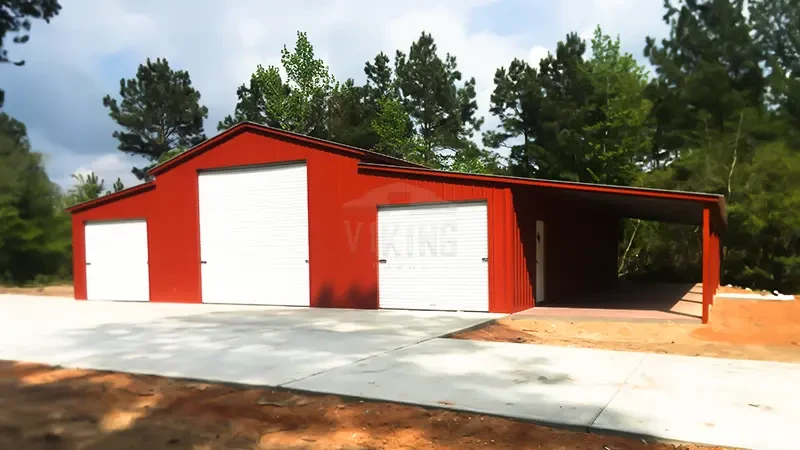
For farms with larger operations, the Carolina metal barn is a popular choice. Featuring a step-down roof with horizontal or vertical panels, this barn design offers excellent weather management, helping to shed rain and snow efficiently. Its larger footprint makes it ideal for storing big equipment, multiple livestock, or running a commercial farming operation.
The metal Carolina barn can accommodate multiple stalls, equipment storage, and workshops under one roof. While installation may be more challenging than a Seneca barn due to its size and roof design, its durability and versatility make it a long-term asset for growing farms.
Finding the Right Barn Style for Your Farm
Selecting the right barn is not just about picking a size or roof type. It is also about matching the structure to your farm's unique needs. Additionally, long-term goals and day-to-day operations. A well-chosen barn can save time, reduce maintenance, and improve workflow. Here's a detailed guide to help you decide whether a Seneca metal barn or a Carolina metal barn is the best fit.
1. Assess Your Space and Size Needs
The first step is to consider how much space your farm actually requires.
- Small or Compact Farms: If your farm is on a smaller plot, or you only need a barn for a few animals, tools, or hay, a Seneca barn is ideal. For instance, a small goat farm with 5 acres could use a Seneca barn to house animals and store feed, keeping operations efficient without taking up too much land.
- Large or Expanding Farms: If your farm includes heavy machinery, multiple livestock, or you plan to expand in the future, a Carolina barn provides the space and flexibility you need. Imagine a 50-acre farm with tractors, hay storage, and several livestock pens. The Carolina barn can accommodate all of these under one roof, making daily operations smoother.
So, by thinking about your current and future space requirements, you can avoid going with a barn that feels too cramped or too expensive for your needs.
2. Match Roof Design to Your Climate
Roof type is a practical feature that affects durability, maintenance, and protection against the elements.
- Moderate Weather Regions: A straight roof on a Seneca barn works well for areas with moderate rainfall or light snow. It provides reliable water drainage and a simple, classic look. For example, a hobby farm in Ohio might find a Seneca barn's roof perfectly adequate for seasonal weather.
- Areas with Heavy Rain or Snow: A step-down roof on a Carolina barn excels at shedding precipitation efficiently, which reduces the risk of leaks and structural damage. A dairy farm in Vermont or a poultry farm in the Pacific Northwest could use this design to protect feed, equipment, and animals during heavy snowfall or rainstorms.
Matching roof design to your climate ensures your barn remains durable and reduces maintenance costs over time.
3. Plan According to Budget and Investment Goals
Cost is always a key factor, but it should be weighed against long-term functionality and potential expansion.
- Seneca Barn: This is generally more budget-friendly because of its smaller size and straightforward design. Small farms or micro-livestock operations benefit from the lower upfront cost without compromising essential durability. For example, a backyard farm raising a few goats or chickens could invest in a Seneca barn without straining finances.
- Carolina Barn: While slightly higher in cost, the Carolina barn offers more space, better weather protection, and future-proof flexibility. A commercial equestrian farm or large cattle operation may find the investment worthwhile, as the barn can handle multiple animals, equipment, and hay storage all at once.
4. Consider Long-Term Use and Flexibility
A barn is a long-term investment, so it's important to think beyond immediate needs.
- Seneca Barn: Best for specific, immediate uses such as a tool shed, small livestock shelter, or workshop. For instance, a small-scale vegetable farm might use a Seneca barn to store fertilizers, small tractors, and tools.
- Carolina Barn: Offers flexibility for growth. Its clear-span interiors and larger size allow for future expansion, adding livestock pens, equipment storage, or even a workshop is easier. A cattle farm that starts with a few cows could expand operations without needing a new barn.
By aligning your choice with potential future needs, you can ensure your barn remains useful for years rather than becoming obsolete.
5. Installation and Maintenance Considerations
Ease of installation and maintenance can save time, labor, and money.
- Seneca Barn: Smaller panels and a simpler roof make installation straightforward for small crews or farmers who enjoy hands-on projects. Maintenance is also simpler due to the compact size. A small orchard farm might install a Seneca barn itself without hiring contractors, saving on labor costs.
- Carolina Barn: The larger panels and step-down roof increase complexity during installation, making it slightly more difficult than a Seneca barn. However, once installed, Carolina barns require less frequent maintenance due to superior weather protection. For farms in Texas or the Midwest, this can be a long-term advantage, especially in regions with heavy storms or high rainfall.
6. Integrate the Barn Into Daily Farm Workflow
Finally, think about how the barn will fit into your farm's day-to-day operations.
- Seneca Barn: Works well as a supplemental structure. For example, a small orchard may use it to store fertilizers, tools, and a small tractor, keeping everything accessible and organized.
- Carolina Barn: Best for farms where the barn is central to daily operations. A dairy or equestrian farm can house animals, equipment, and feed all under one roof, reducing time spent moving between multiple smaller barns and improving efficiency.
So, Make the Smart Choice for Your Farm
Choosing between a Seneca metal barn and a Carolina steel barn comes down to understanding your farm's needs and priorities.
- Opt for the Seneca barn if you need a budget-friendly, compact, and reliable structure for tools, hay, or a few animals.
- Choose the Carolina barn if your farm requires a larger space, better weather protection, and room for future expansion.
Both barns are excellent options in the realm of prefabricated barns, offering strength, versatility, and long-term durability. By evaluating your farm's size, climate, budget, and future growth, you can select a barn that not only meets your current requirements but also grows with your operation.