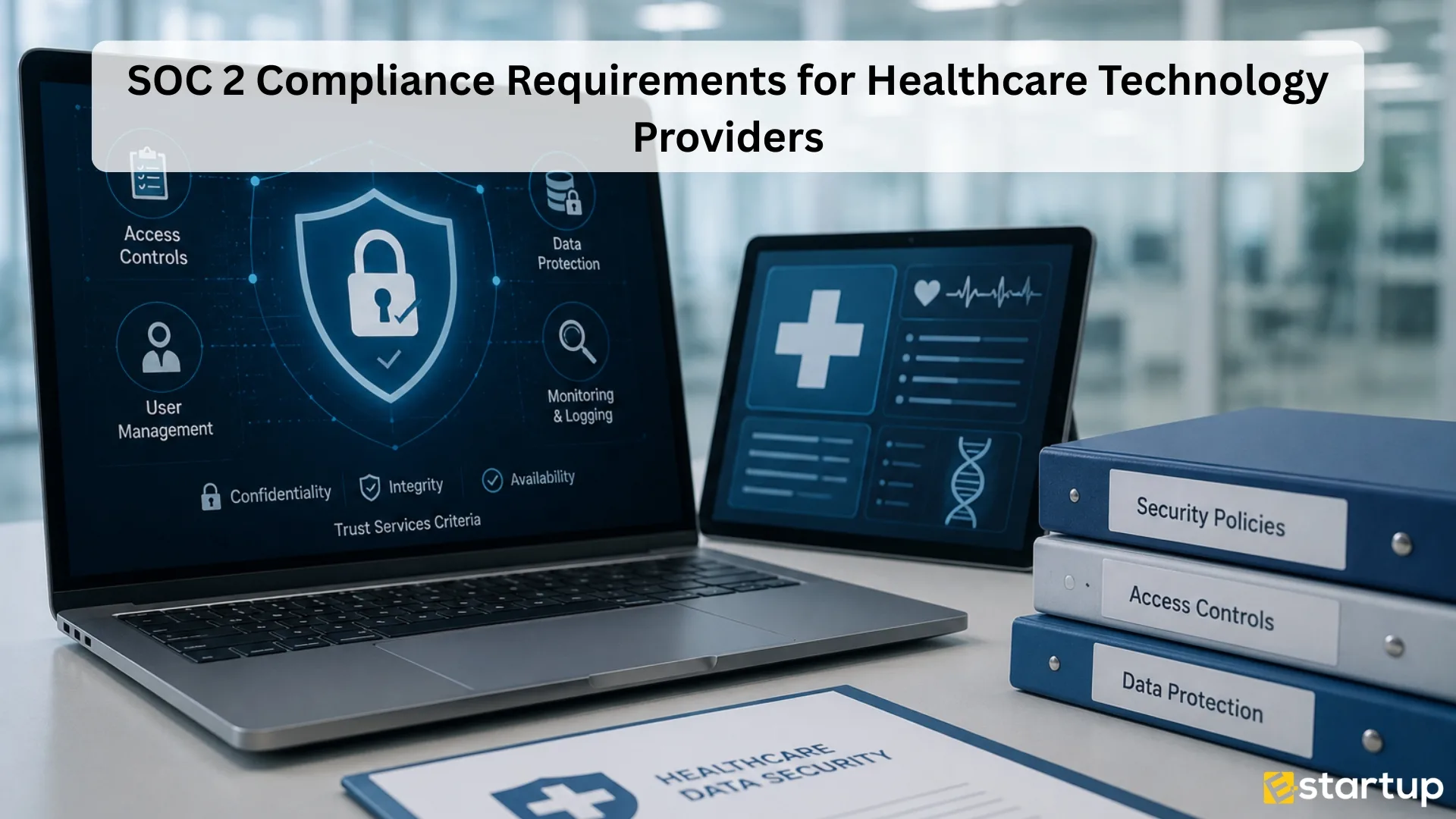
It cannot be understated how sensitive the data is in the health care technology industry. Whether it is patient health data, medical test results, information about insurances, or telemedicine communications, health care technology providers need to take the issue of the protection of their data seriously. In view of increasing cybersecurity risks, many health care technology companies are turning to SOC 2 Compliance to show their dedication to securing this data.
SOC 2 Compliance Definition
The SOC 2 compliance framework was created by the American Institute of Certified Public Accountants (AICPA). This auditing framework assesses the way organizations protect and secure their customers' data according to five criteria:
- Security
- Availability
- Processing Integrity
- Confidentiality
- Privacy
In the context of health care technology vendors, SOC 2 Compliance provides proof that there are robust controls to ensure the safety of sensitive healthcare data.
The Importance of SOC 2 Compliance in Healthcare
More and more healthcare facilities use software providers, cloud providers, and other digital health solutions for handling patients' information. Prior to engaging a vendor, most healthcare facilities ask for evidence of security controls and compliance requirements.
Here SOC 2 Compliance for Healthcare plays a crucial role. It gives you an independent assurance that a tech provider complies with recognized security measures and protects the sensitive data at every stage of the process.
Moreover, SOC 2 Compliance can be valuable for obtaining an advantage over the competition while offering your services to enterprise healthcare companies.
Key Requirements of SOC 2 for Compliance by Healthcare Technology Service Providers
1. Robust Access Controls
The data in healthcare technology should be accessed by the right persons. These include:
- Role-based access control
- Two-factor authentication
- User provisioning/deprovisioning management
- Periodic access control reviews
2. Data Encryption
Data encryption is an essential need for the safeguarding of healthcare information whether it is in transmission or storage form. The vendors of health technologies should use encryption techniques that have been approved by the industry to protect information.
3. Constant Security Monitoring
For organizations that want SOC 2 Compliance for Healthcare, there is a need to develop monitoring systems capable of detecting any security incidents and any malicious activity.
Vulnerability assessments and security audits are useful for identifying any security vulnerabilities.
4. Incident Response Planning
Incident response planning is a critical component of SOC 2 Compliance. Health care technology vendors should have policies to:
- Identify security incidents
- Contain the threat
- Recover systems
- Communicate with affected parties
Response planning will help in minimizing any harm during security incidents.
5. Vendor Risk Management
Several vendors in the health care technology industry depend on cloud solutions and other third-party services. The SOC 2 auditor examines how the organization manages and monitors vendor risk to safeguard confidential health care information.
Need Help in Getting SOC 2 Certification?
At e-Startup, we offer highly effective SOC 2 Compliance consulting services that enable you to achieve SOC 2 Compliance and secure your information and operations. Let us assist you in making things easier for you.
SOC 2 Compliance Additional Benefits for Healthcare
SOC 2 Compliance Implementation comes with the following benefits:
- Increased patient data protection
- Greater customer confidence
- Decreased cyber threats
- Increased regulatory preparedness
- Higher operational efficiency
- Increased chances to work with healthcare customers
As healthcare organizations become increasingly selective when it comes to vendor security, SOC 2 Compliance for Healthcare becomes an essential tool in developing their partnerships.
Conclusion
Healthcare technology firms exist in an industry characterized by high levels of regulation, whereby data security and privacy concerns rank highly on the agenda. SOC 2 compliance services shows that a firm is committed to safeguarding the confidentiality of data in healthcare and also to having robust cybersecurity.
By focusing on critical components like access control, encryption, monitoring, incident response plan, and vendor risk management, the firm is able to mitigate cybersecurity threats and also build trust with its healthcare customers. In light of increasing digitalization in healthcare, SOC 2 Compliance for Healthcare will become a significant indicator of security and reliability in the industry.