
The Best Places to Visit in Turkey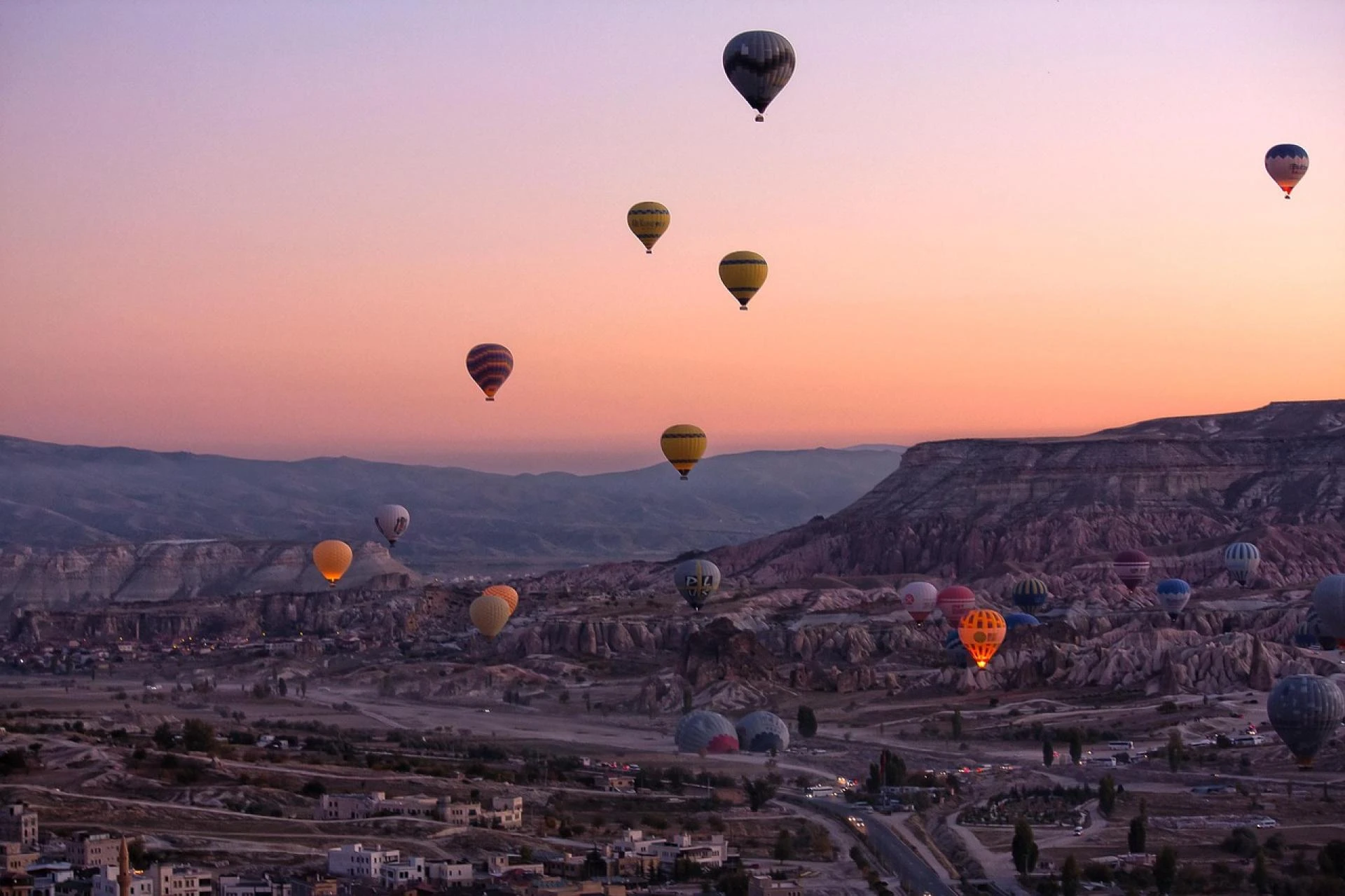
Introduction to Turkey’s Diverse Charm
Turkey isn’t just a country; it’s a living museum, a natural masterpiece, and a cultural melting pot all rolled into one. Straddling two continents—Europe and Asia—Turkey offers travelers a unique experience shaped by centuries of history, stunning landscapes, and world-renowned hospitality. It’s a place where you can explore Roman ruins one moment, sip on Turkish tea in a centuries-old bazaar the next, and end your day with a swim in the crystal-clear Mediterranean.
The blend of ancient civilizations, Islamic architecture, Christian relics, and Greco-Roman wonders tells the tale of a country that has seen empires rise and fall. And it’s not just about history. From beach bums and mountain lovers to foodies and spiritual seekers, Turkey caters to every type of traveler. Whether you're wandering the alleys of Istanbul, soaring in a balloon above Cappadocia, or soaking in Pamukkale's white terraces, you're in for a journey that’s as rich as it is unforgettable.
In this article, we’ll take you through the best places to visit in Turkey, diving deep into each location’s highlights, historical importance, and what makes them must-see destinations for travelers from around the world.
Istanbul – Where East Meets West
Historical Significance and Iconic Landmarks
Istanbul is more than just Turkey’s largest city—it's the soul of the nation. Once known as Byzantium and later Constantinople, this city was the capital of three major empires: Roman, Byzantine, and Ottoman. It’s no surprise that the streets here are paved with history. One moment you're standing in front of the majestic Hagia Sophia, and the next you're stepping inside the grand Blue Mosque with its cascading domes and intricate blue tiles.
And then there's the Topkapi Palace, once home to Ottoman sultans, now a sprawling museum filled with priceless treasures, weapons, and sacred relics. Walk a few blocks and you’ll find yourself in the ancient Hippodrome, where chariot races once thrilled thousands. Or explore the Basilica Cistern, an eerie underground reservoir with atmospheric lighting and rows of marble columns.
Istanbul’s beauty lies in its contrasts—Europe and Asia divided by the Bosphorus Strait, mosques sharing skylines with churches, ancient stone paths leading to bustling modern markets. You can spend days, even weeks, getting lost in its magic, and still find more to explore.
Bazaars, Culture, and Culinary Delights
No trip to Istanbul is complete without a deep dive into its bustling bazaars. The Grand Bazaar, with over 4,000 shops, is a labyrinth of carpets, jewelry, spices, antiques, and souvenirs. Nearby, the Egyptian Spice Bazaar offers a sensory overload with mounds of colorful spices, Turkish delight, and fragrant teas.
But Istanbul isn’t just a shopper’s paradise. It’s also a food lover’s dream. Sink your teeth into a kebab, try menemen (Turkish scrambled eggs), sip strong Turkish coffee, or enjoy the famous street food—simit (sesame-covered bread rings), roasted chestnuts, and fresh fish sandwiches by the Galata Bridge.
The cultural richness is just as powerful. Art galleries, music venues, hammams (Turkish baths), and traditional dance performances dot the city. And let’s not forget the Bosphorus cruise—gliding past ornate Ottoman mansions, mosques, and modern villas, it’s the perfect way to see Istanbul from a new angle.
Cappadocia – The Land of Fairy Chimneys
Hot Air Balloon Rides Over Moonlike Landscapes
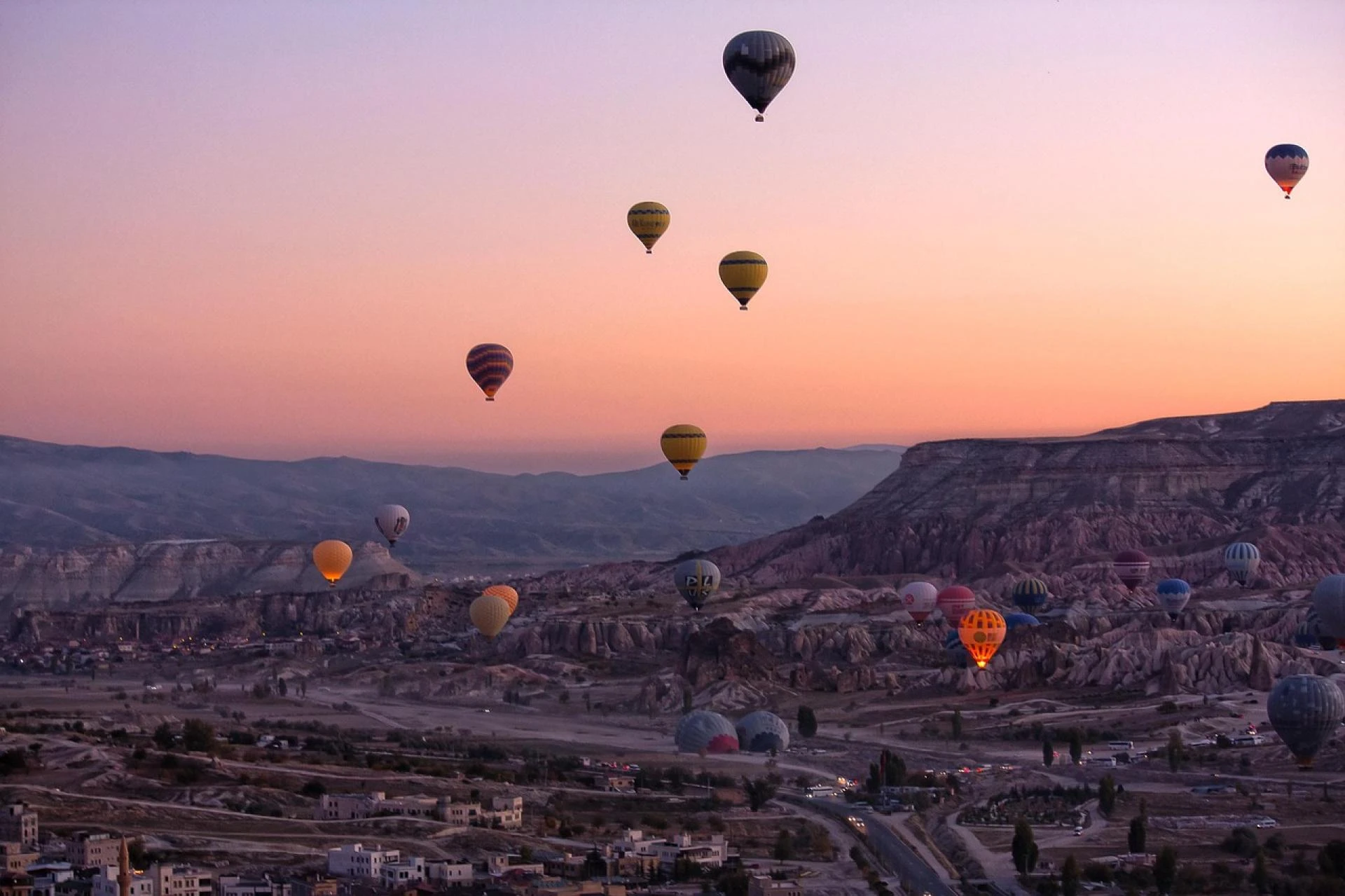
Cappadocia feels like it belongs on another planet. Located in central Turkey, its dreamlike landscapes—carved over millennia by volcanic eruptions and erosion—are filled with towering rock formations known as fairy chimneys. But the real magic happens at sunrise when hundreds of hot air balloons float above the surreal terrain, creating one of the most iconic scenes in global travel photography.
The balloon ride is more than just a tourist activity—it’s a once-in-a-lifetime experience. As you gently ascend into the sky, the panoramic views of the valleys, rock spires, and ancient cave homes unfold below. The silence, broken only by bursts of flame keeping the balloon aloft, adds to the mystical feeling.
Even if you don’t take a balloon ride, the viewpoints at Göreme and Uçhisar Castle offer jaw-dropping scenery. The region’s unique landscape provides endless opportunities for hiking, horseback riding, and exploring open-air museums.
Underground Cities and Cave Churches
Beyond the surface, Cappadocia hides an underground world that once served as a refuge during invasions. Cities like Derinkuyu and Kaymakli delve deep into the earth, with multi-level passages, living quarters, churches, and storage rooms that could house thousands for months.
Equally fascinating are the cave churches of the Göreme Open-Air Museum. These Byzantine-era sanctuaries are carved right into the rock, adorned with vivid frescoes that have survived centuries. The Dark Church, in particular, boasts some of the best-preserved religious art in the region.
Many of Cappadocia’s hotels and restaurants are also carved into the rock, offering a truly immersive experience. Imagine sleeping in a cozy, stone-walled cave suite with modern amenities, or dining in a grotto under flickering candlelight. It’s these otherworldly yet comforting touches that make Cappadocia a must-see.
Pamukkale – The Cotton Castle
Thermal Springs and Travertine Terraces
Pamukkale translates to “cotton castle” in Turkish, and once you see it, you’ll understand why. This dazzling white wonderland of terraced mineral pools was formed by calcium-rich thermal waters cascading down a hillside, leaving behind layers of pure white travertine. It’s like a frozen waterfall or a mountain made of clouds.
Walking barefoot along these terraces is a surreal experience. The water is warm, soothing, and believed to have healing properties. Tourists and locals alike come here to bathe in these natural infinity pools that overlook the surrounding green plains.
Photographers will find endless opportunities here, especially at sunset when the golden light reflects off the white terraces. While it’s often crowded during peak hours, early morning and late afternoon visits offer a more tranquil atmosphere.
Hierapolis Ancient City Ruins
Adjacent to Pamukkale lies Hierapolis, an ancient Greco-Roman city founded around the 2nd century BC. It was once a bustling spa town where the elite came to soak in the thermal waters. Today, it’s a sprawling archaeological site featuring a well-preserved theatre, ancient streets, temples, and necropolis.
One highlight is the Antique Pool (Cleopatra’s Pool), where you can actually swim among submerged marble columns believed to have fallen during an earthquake. It’s a rare chance to blend leisure with history—floating through a slice of the past.
Hierapolis and Pamukkale together form a UNESCO World Heritage Site and serve as a perfect blend of natural and man-made marvels. Whether you're here for relaxation, history, or photography, Pamukkale delivers on every front.