You’ve made it through months or even years of orthodontic treatment. Whether you wore braces or aligners, achieving that perfectly aligned smile was no small feat. But now that your teeth are straight, you might be wondering what’s next. The answer is simple: retainers.
Retainers are often overlooked or underestimated, but they play a critical role in preserving your orthodontic results. Without a proper retainer routine, your teeth can slowly shift back to their original positions a process called “orthodontic relapse.” All that time, effort, and money spent correcting your smile can go to waste.
In this comprehensive guide, we’ll explore everything you need to know about retainers: why they matter, the different types, how to care for them, and what to do if you lose or break yours.
Why Retainers Are Important
Orthodontic treatment moves your teeth into better alignment by applying controlled pressure over time. Once the treatment ends, your teeth are still at risk of moving. This is because the bone and tissues surrounding the teeth need time to stabilize in their new positions.
Retainers help hold your teeth in place during this post-treatment phase. Without them, your teeth can begin to shift sometimes noticeably within just a few weeks. This is why orthodontists always recommend wearing a retainer, especially in the months following the removal of braces or aligners.
Skipping your retainer can result in:
- Shifting or crowding of teeth
- Gaps reopening
- Bite problems returning
- The need for retreatment
Types of Retainers
There are three main types of retainers: Essix (clear), Hawley (metal and acrylic), and permanent (fixed). Each type has its own pros and cons.
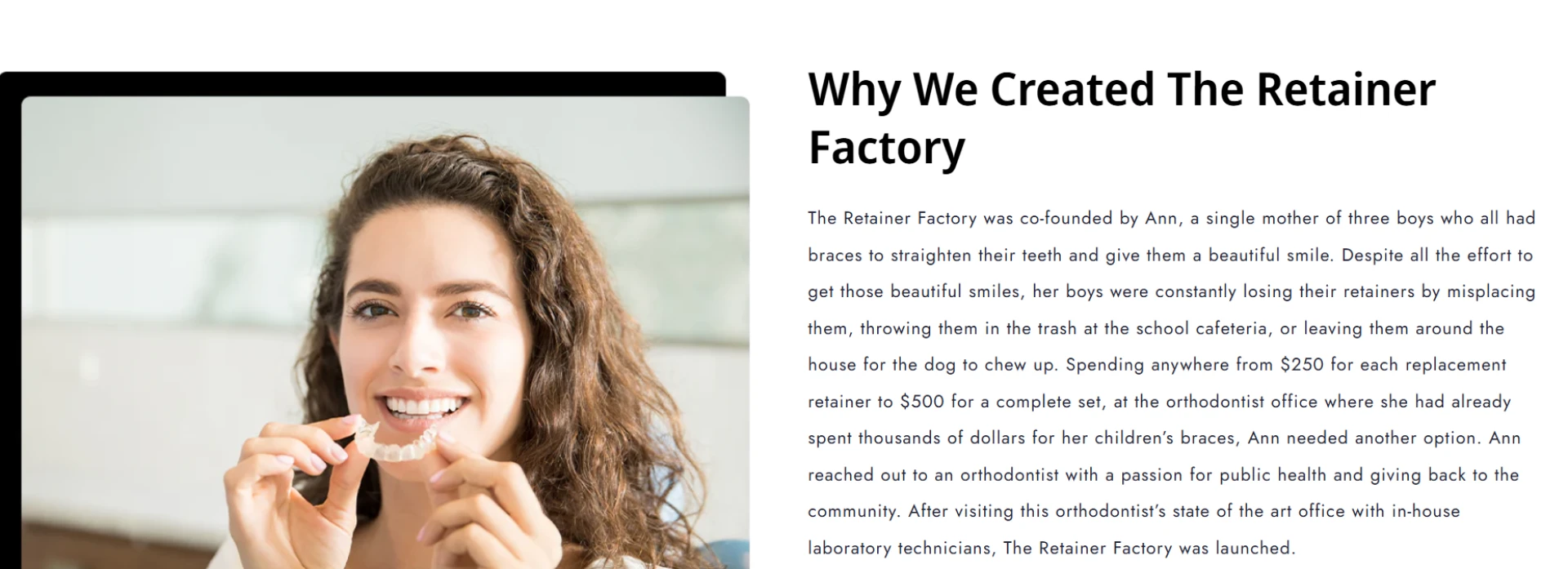
1. Essix Retainers (Clear Plastic)
These are clear, custom-molded plastic trays that fit snugly over your teeth.
Pros:
- Nearly invisible when worn
- Comfortable and easy to wear
- Good for night-time use
Cons:
- Can wear out or crack over time
- Must be cleaned carefully to avoid odors or discoloration
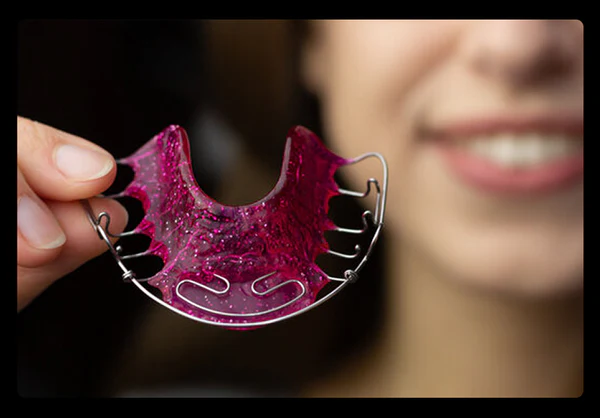
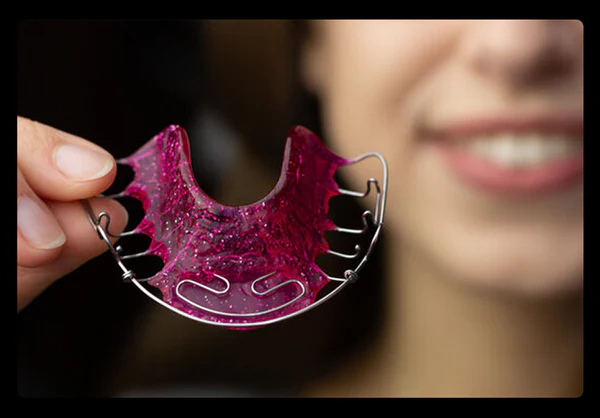
2. Hawley Retainers
Made with a metal wire and an acrylic base that sits on the roof of your mouth or behind your lower teeth.
Pros:
- Very durable and long-lasting
- Adjustable by an orthodontist
- Available in custom colors and styles
Cons:
- More visible than Essix retainers
- Can affect speech slightly when first worn
3. Permanent (Fixed) Retainers
A thin metal wire is bonded to the back of your front teeth and stays in place indefinitely.
Pros:
- No risk of forgetting to wear it
- Invisible from the outside
Cons:
- Can be harder to clean around
- May need repairs over time
- Not removable without a dental visit
How Long Should You Wear a Retainer?
The general recommendation is to wear your retainer full-time (usually 20–22 hours a day) for the first 3–6 months after treatment. After that, many orthodontists advise transitioning to nighttime wear for life.
It might sound excessive, but teeth naturally shift as we age. Wearing your retainer a few nights a week is the best way to maintain your smile long-term.
Caring for Your Retainer
Proper care ensures your retainer lasts longer and remains hygienic. Here are some key tips:
- Clean it daily: Use a soft toothbrush and lukewarm water. Avoid using toothpaste, which can scratch plastic retainers.
- Use cleaning tablets: Soak it occasionally in retainer-cleaning solutions to prevent buildup and odor.
- Avoid heat: Don’t expose retainers to hot water or direct sunlight, which can warp them.
- Store safely: Always keep your retainer in its case when not in use.
What Happens If You Lose or Break Your Retainer?
Life happens. Retainers get lost, thrown out with lunch trays, or broken by pets. If this happens, don’t panic—but don’t delay.
The longer you go without a retainer, the more likely your teeth will start to shift. Many people make the mistake of waiting weeks or months to get a replacement, only to find that their retainer no longer fits and their teeth have already moved.
The good news is that today, you don’t always need to visit an orthodontist to get a new retainer. Some companies offer mail-order services where you can take an impression at home and have a custom retainer shipped to your door.