
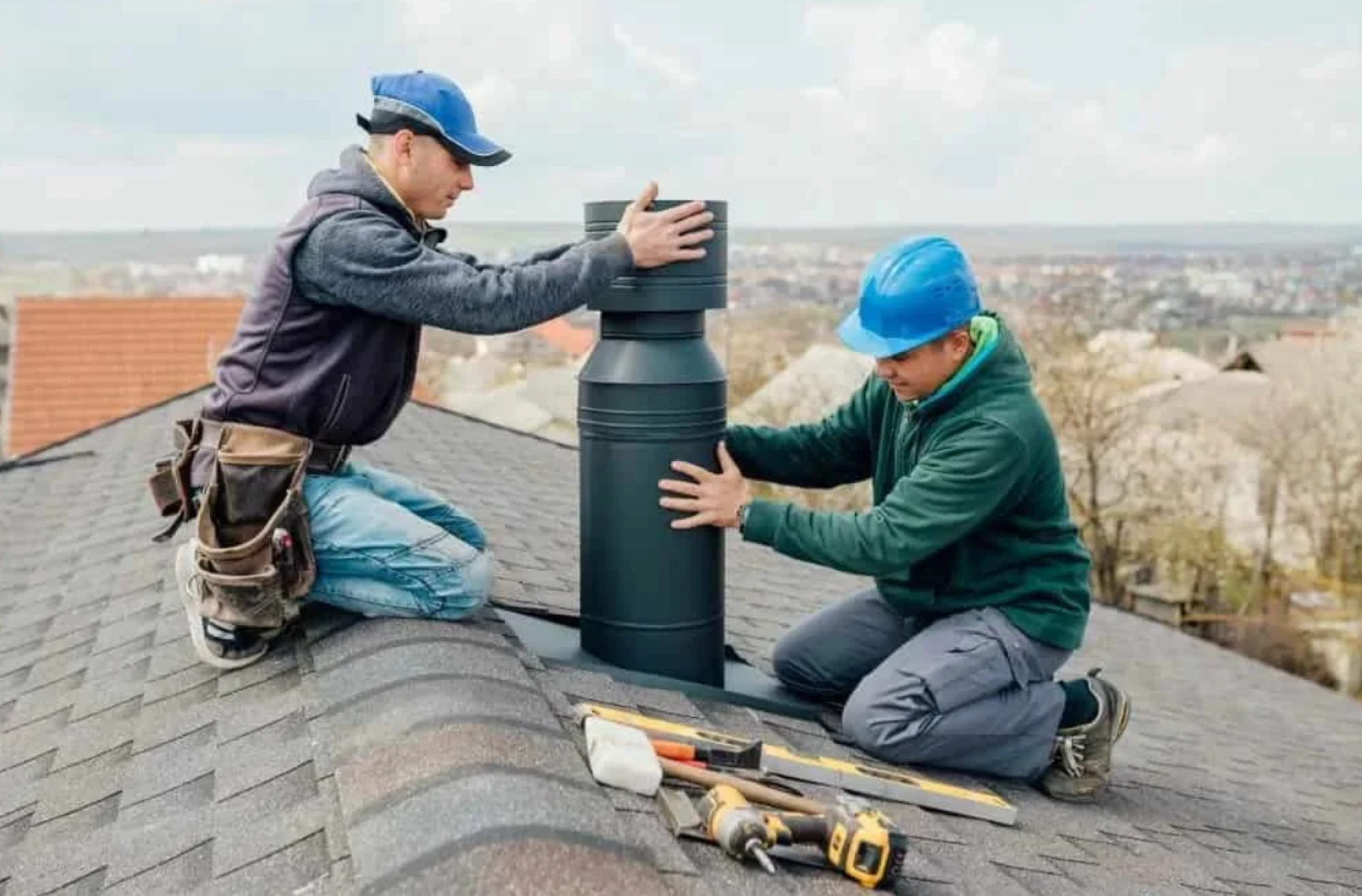
The operational demands of running a commercial business in Houston, whether a bustling restaurant, a large apartment complex, or an industrial facility, are immense. Amidst the daily priorities of management and logistics, the proper maintenance of the building's venting and exhaust systems is a vital, yet often overlooked, component of safety, efficiency, and legal compliance. In a climate like Houston’s, where humidity can exacerbate material breakdown, the need for stringent and regular maintenance of these systems becomes even more pronounced.
The comprehensive solution to these concerns lies in professional commercial chimney cleaning in Houston. This service extends far beyond the basic sweeping of a residential fireplace; it encompasses the specialized cleaning of complex systems, including boiler flues, industrial exhaust stacks, and, most commonly, the entire ductwork of commercial kitchen hoods, all of which require different expertise and equipment.
Understanding Commercial Venting Systems: More Than Just a Stack
Commercial properties in Houston utilize several types of exhaust and venting systems, each presenting unique cleaning challenges:
- High-Capacity Heating and Boiler Flues: Large commercial buildings, hospitals, and complexes rely on powerful boilers and heating systems. These systems produce high volumes of combustion byproducts, including soot, sulfur, and corrosive condensates. An obstructed or dirty flue significantly reduces heating efficiency, increases fuel costs, and poses a risk of carbon monoxide infiltration into occupied spaces.
- Commercial Kitchen Exhaust Systems (Type I & Type II Hoods): Restaurants are the most frequent users of specialized commercial cleaning. The exhaust system, which includes the kitchen hood, plenum, ductwork, fan, and stack, collects a high volume of airborne grease (effluent) and smoke. When this grease condenses and adheres to the duct walls, it creates a highly combustible material known as creosote or grease build-up.
- Industrial Stacks and Specialized Vents: Manufacturing or processing facilities may have dedicated stacks to vent fumes and byproducts. The cleaning requirements for these are dictated by the materials processed and often require specialized safety protocols and equipment.
Regardless of the type, the failure to maintain these systems creates a dangerous liability for the property owner.
The Hidden Dangers of Neglect: Safety and Structural Integrity
Neglecting the internal surfaces of a commercial venting system can lead to catastrophic consequences that impact more than just the building's budget.
The Inherent Fire Hazard
For commercial kitchens, a neglected exhaust system is a ticking fire bomb. The grease build-up lining the ductwork is fuel. If a kitchen flare-up occurs and flames or embers are drawn into the duct, they can ignite the accumulated grease, leading to a dangerous and rapidly spreading duct fire. These fires often spread quickly through the building's structure and are notoriously difficult for fire departments to extinguish due to their location within concealed walls and ceilings. A professional commercial cleaning service systematically removes this fuel load, dramatically reducing the risk of a disastrous fire incident.
Compliance and Regulatory Risks
In Houston, as elsewhere, fire safety standards are non-negotiable for commercial operations. The primary governing standards for chimney and venting maintenance are set forth by the National Fire Protection Association (NFPA).
- NFPA 211 governs chimneys, fireplaces, vents, and solid fuel-burning appliances, setting the standard for the structure and maintenance of heating flues.
- NFPA 96 is the non-negotiable standard for ventilation control and fire protection of commercial cooking operations. It mandates that the entire exhaust system, from the hood to the discharge point, must be accessible and cleaned to remove flammable residue.
Failure to meet these codes can result in significant fines, loss of insurance coverage, and immediate forced closure by the Houston Fire Marshal's office. Expert commercial chimney cleaning in Houston ensures that your facility is documented, compliant, and prepared for inspection.
Operational Inefficiency and Health
Beyond fire risk, a dirty system is an inefficient one. Soot and creosote act as insulation in boiler flues, forcing the appliance to work harder and consume more fuel to achieve the necessary temperature. In a commercial kitchen, a grease-clogged exhaust fan loses its ability to pull smoke and heat effectively, leading to:
- Poor Air Quality: Smoke and fumes back up into the kitchen, affecting employee health and comfort.
- Equipment Failure: Overworked motors and fans burn out prematurely, leading to expensive repairs and downtime.
- Cross-Contamination: Built-up grease can drip back down onto cooking surfaces, creating a health code violation.
The Professional Commercial Cleaning Process
The process of commercial chimney and exhaust cleaning requires specialized training, tools, and meticulous documentation, a job that cannot be handled by a typical janitorial service.
A professional cleaning service begins with a thorough Level 2 inspection to assess the condition of the entire system, often using closed-circuit camera technology to inspect inaccessible ductwork. The cleaning itself involves several steps:
- Access Point Creation: Unlike residential chimneys, commercial systems often require the temporary installation of code-compliant access panels to reach all sections of the horizontal and vertical ductwork.
- Containment and Protection: The entire work area, including kitchen equipment and sensitive areas, is masked and protected from debris and chemicals.
- Grease and Creosote Removal: High-powered rotary brushes, specialized scraping tools, and powerful degreasing agents are used to completely strip the flammable residue down to the bare metal surfaces (known as "bare metal maintenance" under NFPA 96).
- Fan and Stack Cleaning: The rooftop exhaust fan is disassembled, cleaned, and reassembled. The exterior chimney or stack is also thoroughly cleaned.
- Documentation: After cleaning, the service provides a detailed report, including before-and-after photos, and a Certificate of Compliance showing the date of service. This is your essential proof for insurance and fire inspectors.
For most high-volume commercial cooking operations, NFPA 96 mandates cleaning frequencies that can range from quarterly to monthly, depending on the type and volume of cooking. Regular scheduling with a reliable Houston professional is key to maintaining a safe operational environment.
Choosing the Right Partner for Your Commercial Needs
Selecting a contractor for commercial chimney cleaning in Houston should be a decision based on expertise and credentials, not just price. You need a company that understands the specific demands of commercial-grade systems and the local regulatory environment.
Look for a provider who can demonstrate the following:
- CSIA Certification: Certified Chimney Sweeps (CSIA) have proven knowledge of chimney physics, building codes, and standards of practice.
- NFPA 96 Proficiency: The contractor must be demonstrably familiar with NFPA 96 standards, especially for kitchen exhaust systems, as this is the primary benchmark for fire safety.
- Comprehensive Insurance: Ensure the company carries extensive liability insurance that covers commercial work, especially rooftop access and kitchen equipment protection.
In conclusion, investing in rigorous, professional commercial chimney cleaning in Houston is not merely a maintenance expense; it is a critical investment in fire prevention, energy efficiency, legal compliance, and the continued operational health of your business. By partnering with certified experts, property managers can mitigate severe risks and ensure their facilities operate safely and efficiently for the long term. To find out if your property falls within our service area, or to get directions to our main office, check out our interactive map link.