Automated revenue reconciliation is no longer a "nice-to-have" luxury. In 2026, it is the difference between an audit-ready finance team and one drowning in technical debt.
According to Adyen, 36% of companies lose at least one full workday every single week on payment operations. For SaaS and recurring revenue businesses scaling past 10,000 monthly transactions, spreadsheet-based reconciliation doesn’t just drain capacity, it creates a "quiet failure" of operational resilience.
What is Automated Revenue Reconciliation?
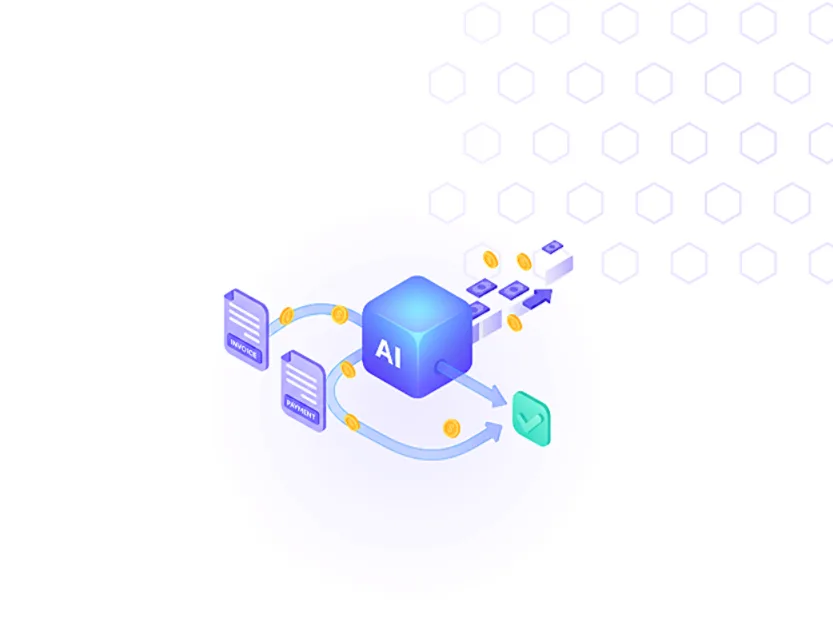
It is the move from reactive data entry to proactive exception handling. Instead of human-driven matching, AI-driven engines ingest billing data, apply accounting policies, and generate journal entries in real time.
For US accounting leaders managing ASC 606 compliance, this shift defines who stays agile and who gets bogged down by contract modifications.
The Reality Check: When Spreadsheets Break
Excel was never meant to handle the velocity of usage-based pricing. A single enterprise customer can generate millions of micro-transactions. When you add mid-cycle contract upgrades, a manual revenue waterfall becomes a house of cards. One missed cell reference can destroy a month’s worth of work.
FeatureManual ReconciliationEngini AI AutomationSpeedDays to weeks per closeReal-time, continuousAccuracyHigh human error rateConsistent rules-based logicScaleBreaks at 10k transactionsHandles unlimited volumeAudit TrailFragile version controlImmutable, tamper-proof logsThe 3 Pillars of a "Touchless" Finance Stack
1. Zero-Entry Data Ingestion
The first step to a single source of truth is killing the CSV export. By connecting directly via API to your CRM, billing engine, and ERP, your revenue subledger operates on live data, not a three-day-old snapshot.
2. Intelligent Matching Engines
Automation should handle 95% of routine transactions instantly through:
- One-to-One: Linking invoice IDs to payment receipts.
- Many-to-One: Consolidating hundreds of micro-charges into a single journal entry.
- Tolerance Rules: Auto-approving discrepancies (e.g., $0.02 rounding errors).
3. Strategic Exception Handling
Your accounting team shouldn’t be data processors; they should be strategic investigators. When the system flags an anomaly—like an unapplied credit memo—accountants receive a real-time alert with full context. This turns month-end "discovery" into continuous resolution.
The Business Impact: Beyond the Ledger
- Continuous Close: Shift from a week-long "close sprint" to daily reconciliation.
- Audit-Ready Compliance: Provide auditors with a permanent, tamper-proof record of every action, satisfying SOX requirements without extra paperwork.
Reclaimed Productivity: A five-person team spending two days on reconciliation loses 80 hours a month. AI Workers give those 80 hours back for financial planning and variance analysis.
"Successful automation requires a clear understanding of processes and active change management to realize full benefits."
— Mary C. Lacity, Automation Researcher
How Engini AI Workers Close the Gap
Engini doesn't just "import" data; it deploys AI Workers that execute multi-step logic. When an invoice is generated, the AI Worker:
- Pulls the record via live API.
- Matches it against the payment record.
- Validates the recognized revenue against the GL entry in your ERP.
- Posts the reconciled journal entry automatically.
With 1,000+ native app connectors, Engini eliminates the custom development cycles that usually stall automation projects for months.
Frequently Asked Questions
Does automated reconciliation support ASC 606?Yes. Engini provides native logic for Standalone Selling Price (SSP) allocation and multi-element arrangements, executing them automatically each cycle.
What are the system requirements?
Direct API integration with your billing, CRM, and ERP platforms. Engini handles the heavy lifting of normalization across these sources.
Engini helps finance teams automate complex revenue workflows. [Book a demo] to see how we’re killing the spreadsheet.