I did not start my search for natural processed coffee beans with anything poetic in mind. I just wanted something honest. Something grown with intention. Something that would not force me into the usual compromise between flavour and conscience. After years of drinking whatever looked “ethical enough” on a label, I realised I needed to do the homework for real. So I went looking for beans that had a traceable journey and a process that felt aligned with how I try to live.
That path eventually led me to a small coffee company whose name you genuinely do not need. The brand matters less than the shift it created in how I think about what goes into my mug every morning. What surprised me most was that the answer was not a new gadget or a louder origin story. It was the quiet depth of natural processed coffee.
Why I Needed Something Different
My wake-up call came during a trip where every café felt the same. Polished machines, curated plants, polished tasting notes. Yet each cup tasted oddly hollow. I kept wondering whether the industry had become too obsessed with perfection. Those immaculate washed coffees were technically flawless but emotionally forgettable.
I wanted something with soul. Something with a bit of risk. Something that had not been stripped of every unpredictable trace of the farm where it was grown.
When I started researching natural processing, it felt like opening a side door into an older, more intuitive world of coffee. Leaving the fruit on the bean while it dries creates flavours that feel more connected to the earth and climate that shaped them. It was rustic in the best way. Rooted, patient and unapologetically expressive.
The First Cup That Really Caught My Attention
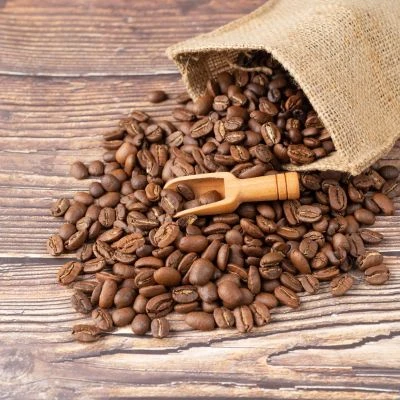
The first bag I ordered smelled like fruit and earth at the same time. Not perfumed. Not overwhelming. Just vibrant. When I brewed it, the aroma filled my kitchen with this warm berry sweetness that felt almost like cooking.
The flavour hit differently. There was a layered richness with notes I could not explain at first. A kind of wildness that made me slow down and actually pay attention. I remember thinking this is what coffee tastes like when handled with respect rather than engineered into uniformity.
That cup gave me something I did not expect. It reminded me how much joy there is in products made by people who genuinely care about the outcome, not just the measurement.
What Set These Beans Apart
There were a few decisions that struck me as subtle but powerful.
The company made transparency feel natural rather than performative. Every detail about the harvest, the altitude, the farmers and the drying method was provided without spotlight theatrics. It helped me feel connected to the process without being lectured.
The flavour profile was another revelation. Natural processed beans can be hit or miss, but these were balanced without losing their personality. There was a depth that came from letting the fruit impart its character yet a cleanliness that suggested careful oversight at every stage.
I also appreciated the packaging more than I thought I would. It was minimalist, recyclable and free of the usual marketing jargon. No claims about saving the world. No emotional manipulation. Just the facts presented with respect.
The Emotional Value I Did Not Expect
The more I brewed these beans, the more I realised I was making little rituals out of them. I started grinding more mindfully, noticing the way the aroma shifted with freshness. I paid attention to water temperature for the first time in years. I stopped rushing the process.
What surprised me most was how this deepened my daily routine. It made mornings feel intentional instead of automatic. It felt like a quiet form of self-respect. Ethical consumption is often framed as a sacrifice but this one added value rather than taking anything away.
There was also a sense of trust I had not felt with other brands. It came from the consistency, the clarity and the refusal to overpromise. When a product feels honest, you naturally lower your guard and appreciate it more.
The Unexpected Outcome
I started sharing the beans with friends who usually roll their eyes at speciality coffee. They ended up asking for more. One even called it “the gateway coffee” because it opened the door without making them feel judged or undereducated.
It also made me rethink what quality means. I used to associate it with precision and technical excellence. Now I associate it with integrity, patience and flavour profiles that feel lived rather than engineered.
What I bought was a bag of beans. What I got was a shift in perspective.
Why I Recommend Natural Processed Coffee
If you have never tried natural processed beans, you owe yourself the experience. They broaden your palette and reconnect you to the origins of the drink that so many of us consume half-asleep. They also make you more discerning in the best possible way.
For anyone who cares about ethical sourcing, these beans are a reminder that impact is not only in certifications. It is in the choices made at the farm and the respect shown during processing. When a company gets that right, you feel it in every sip.
A Moment to Ponder
I am not here to convince anyone that natural processing is superior to every other method. I am simply sharing that it gave me something I did not know I was missing. A sense of authenticity. A sense of place. A sense that someone somewhere put real heart into what I was drinking.
If you are searching for flavour that tells a story and values that align with your own, start with natural processed coffee beans. Let them surprise you. Let them remind you why the simplest daily rituals often become the most meaningful.