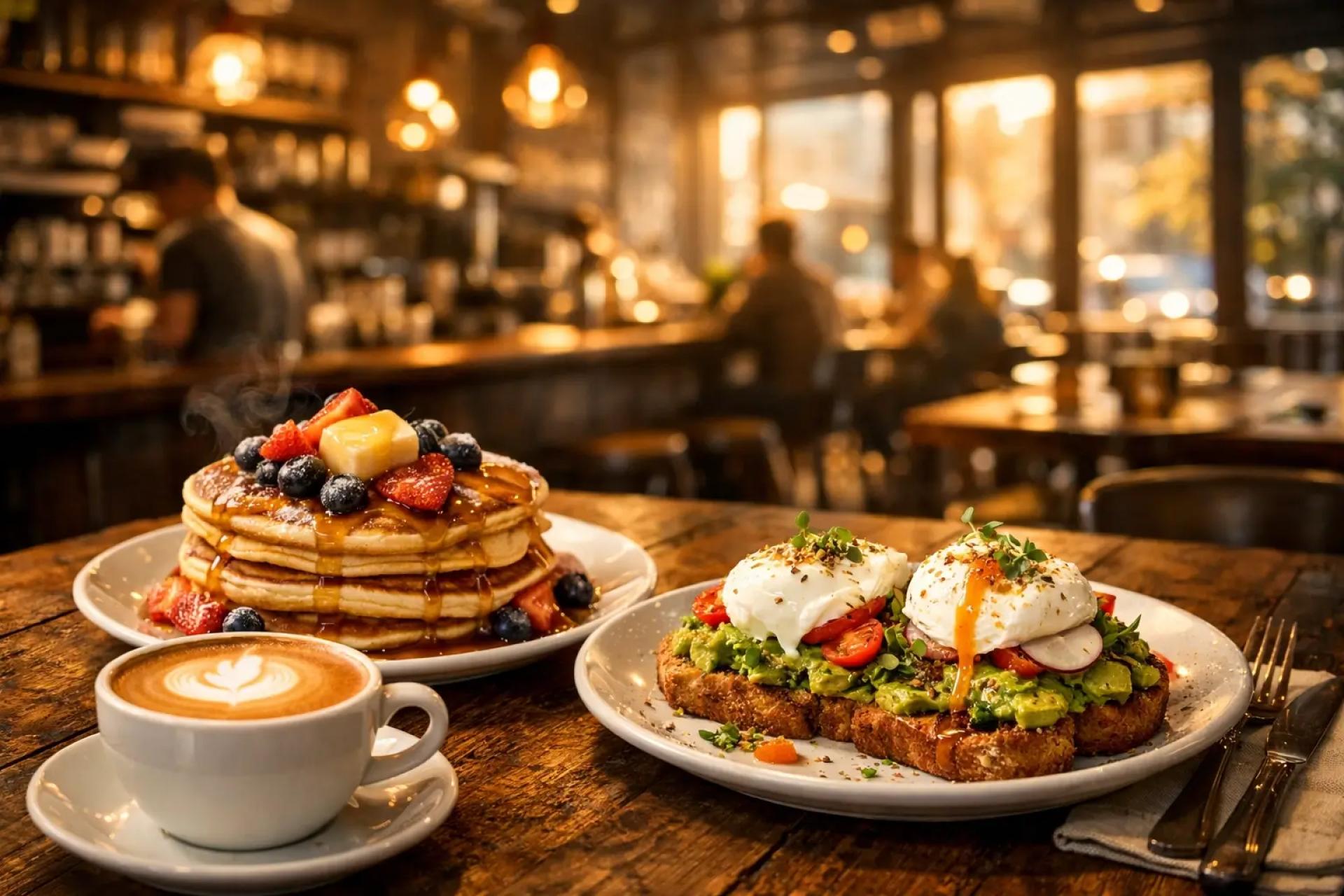
Walk into a busy café at 4:30 PM and someone’s ordering pancakes. Not as a joke. Not as a late brunch. Just… because they want breakfast.
That alone tells you something has shifted.
All-day breakfast isn’t just a menu extension. It’s a response to lifestyle changes, urban work patterns, and evolving consumer psychology. If someone searches this topic, they’re usually trying to understand one of three things:
- Why all-day breakfast became so popular
- Whether it’s financially sustainable for restaurants
- Or how to implement it successfully in a modern café concept
This isn’t a food trend in isolation. It’s tied to remote work, flexible schedules, social media, and even commercial real estate planning in cities like Karachi, Lahore, London, and Dubai.
And from what I’ve seen working with hospitality fit-outs and café layouts, this concept is not accidental. It’s strategic.
Breakfast Is No Longer a Morning Ritual
Traditionally, breakfast had a fixed time slot. 7 AM to 10 AM. Then kitchens flipped to lunch service.
That structure made sense when work hours were rigid.
But modern urban life isn’t built around 9-to-5 anymore. Freelancers start at noon. Entrepreneurs work late nights. Students attend irregular classes. Remote workers shift schedules around global clients.
Time boundaries blurred.
So demand shifted.
When customers walk into a café at 2 PM and ask for eggs benedict, they’re not being difficult. They’re aligning food with their personal rhythm, not the clock.
And restaurants that adapted early gained loyal audiences.
The Psychological Appeal of Breakfast Food
Here’s something interesting.
Breakfast food feels comforting. Familiar. Safe.
Pancakes, omelets, waffles, toast — they carry emotional weight. Even adults associate breakfast dishes with simplicity and ease. It’s low-pressure dining.
In cities like London, brunch culture normalized late-morning indulgence. But all-day breakfast extends that feeling across the entire day.
There’s also menu clarity. Breakfast menus are often shorter, easier to execute, and ingredient-efficient. That matters operationally.
People crave predictability in chaotic urban environments. Breakfast gives that.
Economics: Why Restaurants Love (and Fear) It
From a business perspective, all-day breakfast has strong advantages.
- Eggs are relatively cost-effective.
- Bread-based dishes have good margins.
- Preparation time is shorter than complex dinner entrées.
But here’s where it gets complicated.
Kitchen workflow changes. If breakfast runs all day, inventory planning must adjust. Staff need to handle simultaneous lunch, coffee, and breakfast orders.
In several café projects I’ve observed in Karachi, operators underestimated peak crossover hours — when customers order burgers and pancakes at the same time. It creates operational bottlenecks.
The idea is simple. Execution isn’t.
Margins look attractive on paper. Reality requires coordination.
Remote Work and All-Day Breakfast: A Perfect Match
Remote workers don’t follow conventional meal timing. Someone starting work at 11 AM may eat their “breakfast” at 1 PM.
Cafés in Dubai and Lahore noticed this early. Offering breakfast all day keeps remote professionals comfortable and lingering longer.
And lingering isn’t always bad.
Longer stays often mean secondary purchases — another coffee, a smoothie, maybe dessert. When designed properly, the model supports higher average ticket values.
But zoning matters. Tables designated for quick turnover should not compete with long-stay guests.
Smart layout reduces conflict between business goals and customer behavior.

Social Media and the Visual Breakfast Boom
Let’s be honest — breakfast is photogenic.
Avocado toast. Colorful smoothie bowls. Poached eggs with bright yolks. These dishes dominate Instagram feeds.
Cafés quickly realized that breakfast plates generate organic marketing.
In urban hubs like London and Istanbul, brunch visuals drive weekend foot traffic. But all-day breakfast extends that visual appeal beyond limited hours.
What surprises many new operators is that visual appeal must not compromise kitchen efficiency. Overly decorative plating slows service.
Good design balances aesthetics with speed.

Menu Engineering: Simplicity Wins
All-day breakfast concepts succeed when menus are tightly curated.
Too many variations cause ingredient waste. Too few limit repeat visits.
In one hospitality planning discussion in Karachi, a client initially wanted 35 breakfast items. After cost modeling, we reduced it to 14 core dishes. Waste dropped significantly.
Here’s what works:
- Modular ingredients (eggs used across multiple dishes)
- Cross-utilization of sauces
- Prep-friendly components
- Clear vegetarian options
Inventory management is critical. Egg prices fluctuates depending on season and region. Bread freshness directly impacts perception.
Small operational missteps erodes brand trust quickly.
Cultural Adaptation Across Cities
All-day breakfast doesn’t look identical everywhere.
In Lahore, fusion breakfast is popular — desi-style omelets, paratha platters, karak chai alongside cappuccino.
In Dubai, international diversity shapes menus — Middle Eastern shakshuka sits beside English breakfast.
In London, plant-based breakfast options have grown rapidly.
Successful concepts localize without losing identity.
Copy-paste models rarely survive long-term.
Operational Challenges Behind the Scenes
All-day breakfast sounds simple. It isn’t.
Common challenges include:
- Maintaining egg consistency during peak hours
- Managing fryer and griddle capacity
- Coordinating coffee and food timing
- Handling late-night breakfast orders
In smaller urban kitchens, equipment limitations become bottlenecks. If only one flat-top grill exists, simultaneous high-volume orders slows everything down.
Staff training also matters. Breakfast dishes require precision — overcooked eggs damage reputation fast.
These operational realities are often invisible to customers but define success.
Interior Design and Seating Strategy
All-day breakfast cafés often attract diverse demographics:
- Students
- Remote workers
- Families
- Casual meet-ups
Seating layout must reflect this.
Communal tables support groups. Window seating attracts solo diners. Comfortable booths encourage longer stays.
Lighting also matters. Bright morning-friendly lighting should transition subtly into afternoon ambience. Some spaces ignore this and feel awkward after sunset.
In a few commercial interiors I reviewed, overly dim evening lighting reduced food appeal. Breakfast dishes rely on visual freshness. Poor lighting undermines that.
Design is business strategy, not decoration.
Sustainability Considerations
Egg-heavy menus raise sourcing questions.
Consumers increasingly ask about cage-free options, local suppliers, organic produce.
In European markets like London sustainability expectations are rising fast. South Asian markets are catching up gradually.
Energy consumption also increases when kitchens operate full breakfast service throughout the day. Griddles running continuously impacts utility bills.
Operators who plan energy-efficient equipment from the beginning reduce long-term strain.
Short-term savings on appliances often backfires later.
The Competitive Landscape
Urban café markets are saturated in cities like Lahore and Karachi. Launching another all-day breakfast concept requires differentiation.
That differentiation can come from:
- Signature dish innovation
- Interior storytelling
- Community events (book clubs, networking mornings)
- Specialty coffee pairings
What doesn’t work anymore? Generic menus with no identity.
Customers have options. Loyalty must be earned.
Is All-Day Breakfast Just a Trend?
It doesn’t appear temporary.
Flexible work patterns are structural, not seasonal. Consumer preference for comfort food remains strong. And breakfast dishes adapt easily to dietary shifts — vegan, gluten-free, protein-focused.
The real takeaway is this: all-day breakfast aligns with how modern cities function. It fits unpredictable schedules. It supports remote work culture. It creates approachable dining.
But like any concept, execution determines survival.
Restaurants that treat it as a gimmick struggle. Those who integrate operational planning, thoughtful design, cost control and cultural sensitivity tend to thrive.
Breakfast at 5 PM no longer feels strange.
It feels normal.
And that tells you everything about how urban life has changed.