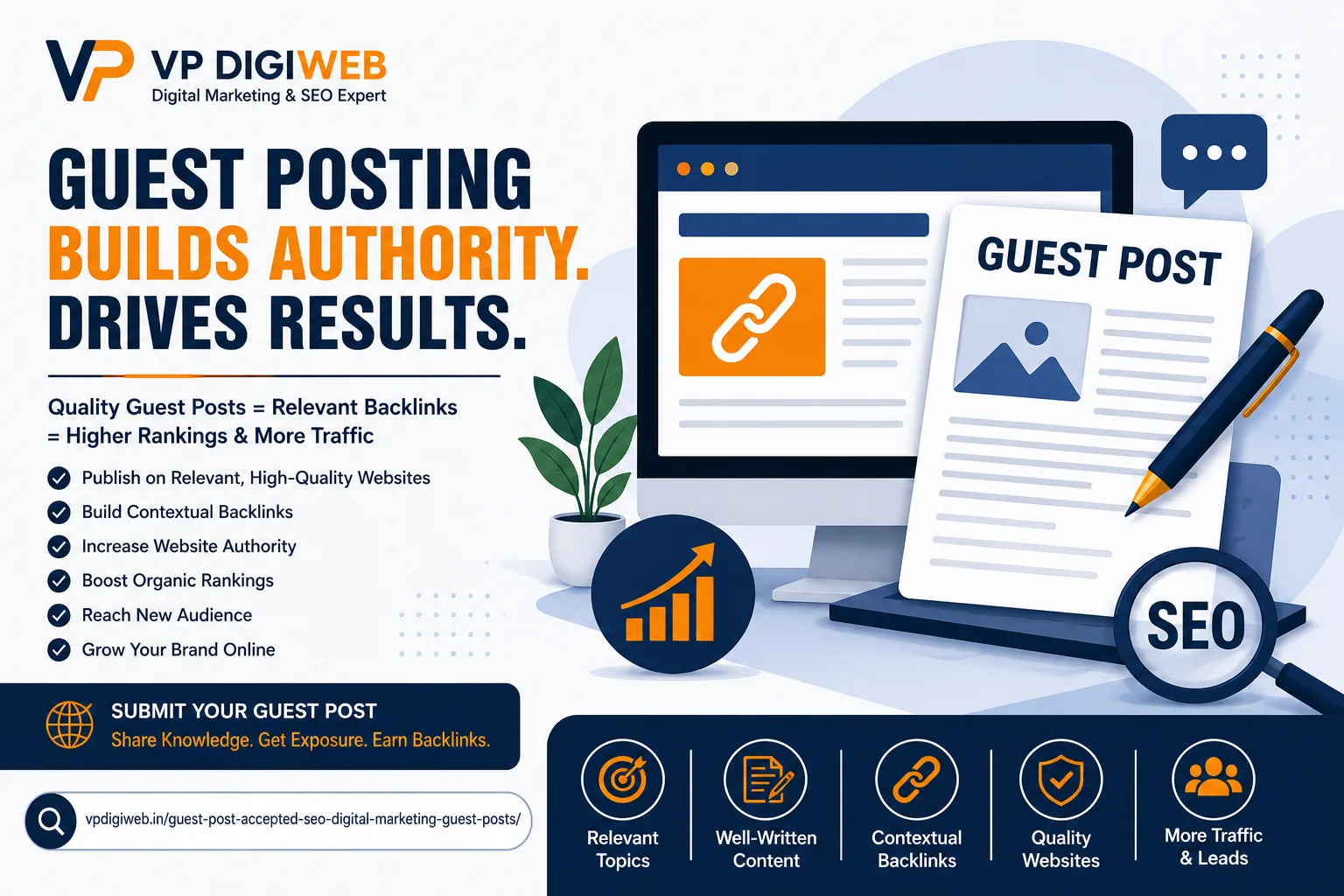

In today's digitally driven marketplace, content is no longer just a marketing tool-it's the backbone of a brand's identity and trustworthiness. As businesses compete for visibility and consumer loyalty, content marketing emerges as a strategic asset for building long-term brand authority. A well-planned content strategy not only drives traffic and engagement but also positions a company as a thought leader in its industry.
For any digital marketing company or IT services agency, content marketing is not just an option-it's a necessity. In the digital age, your content is often your first impression. From blogs and whitepapers to videos and case studies, high-quality content establishes credibility, educates your audience, and ultimately, fosters trust.
Why Brand Authority Matters:
Brand authority refers to how much trust your audience places in your business, and how they perceive your expertise within your niche. Companies with strong brand authority are not only more likely to influence customer buying decisions but also to build long-term relationships with their audience. For IT service providers and digital marketers, this authority translates into increased lead generation, client retention, and higher conversion rates.
With countless voices vying for attention online, consumers naturally gravitate toward brands they perceive as experts. This is where content marketing becomes crucial. Consistent, valuable, and relevant content can demonstrate your expertise, address customer pain points, and differentiate your brand in a saturated market.
Establishing Expertise Through Valuable Content:
A successful content marketing strategy begins with understanding your audience. Whether you're a digital marketing company helping e-commerce brands grow or an IT services agency delivering enterprise-level cloud solutions, your content should speak directly to your audience's needs.
For instance, blog posts explaining the latest Google algorithm updates or cybersecurity trends show that you're not just selling services-you're offering insight. Case studies and whitepapers go a step further by demonstrating real-world applications and successful outcomes of your solutions. These forms of content help establish your business as a knowledgeable and reliable partner.
Moreover, thought leadership articles authored by company executives can elevate your brand's reputation. Sharing insights on industry developments, innovative technologies, and future trends positions your brand as a go-to resource, further solidifying authority in your field.
SEO and Content: A Powerful Duo:
Search engine optimization (SEO) is tightly interwoven with content marketing. For a digital marketing company, leveraging SEO within content is second nature-but it's also a critical brand-building tactic. Publishing optimized content increases visibility on search engines, helping more potential customers discover your brand organically.
By targeting the right keywords, structuring content for readability, and consistently producing fresh material, businesses can rise in search rankings. Higher rankings lead to more website visits, which in turn create more opportunities to impress and convert visitors. Over time, a consistent presence on search results reinforces brand authority and trustworthiness.
Building Trust Through Transparency:
Trust is a key pillar of brand authority, and content is an ideal medium to nurture it. Transparency in content builds credibility-this includes acknowledging industry challenges, offering honest reviews of products and tools, or even discussing your own business improvements.
User-generated content, such as testimonials and customer success stories, also adds authenticity. When potential clients see real people benefitting from your services, it reinforces the perception that your brand delivers on its promises.
Video testimonials, in particular, are powerful trust-building tools for both a digital marketing company and an IT services agency, offering a human connection and validating the brand's effectiveness through firsthand experiences.
The Role of Educational Content:
Educational content is one of the most effective ways to establish authority. Tutorials, how-to guides, webinars, and explainer videos not only showcase your expertise but also empower your audience with knowledge. This positions your business as a helpful and trusted advisor rather than a company merely focused on sales.
For example, an IT services agency could produce content explaining how to migrate securely to the cloud, or how businesses can protect themselves from phishing attacks. These topics directly relate to the services offered, but more importantly, they address common pain points and provide actionable solutions.
Similarly, a digital marketing company might share in-depth guides on creating effective social media campaigns or optimizing Google Ads for ROI-demonstrating both capability and commitment to client success.
Consistency is Key:
One-off content won't build brand authority. Consistency in both the frequency and quality of your content is essential. A steady stream of relevant, high-quality posts keeps your brand top-of-mind, improves your SEO rankings, and reinforces your expertise over time.
It's also important to diversify your content across platforms-blogs, LinkedIn articles, newsletters, podcasts, and video channels. This ensures your message reaches your target audience in the formats they prefer.
Conclusion:
In a landscape saturated with information, building brand authority is no small task. However, with a strategic approach to content marketing, any digital marketing company or IT services agency can set itself apart as a leader in its field. By consistently delivering value, demonstrating expertise, and earning trust through authentic and educational content, businesses can transform from just another service provider into a go-to industry authority.
Content isn't just king-it's the cornerstone of brand credibility and long-term success in today's digital world.