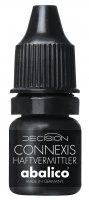
When it comes to creating beautiful, durable gel manicures or nail enhancements, there’s one product many overlook - the bonding agent gel (or nail bonder). This unsung hero works behind the scenes to help your polish or enhancements adhere more securely to the natural nail, minimizing lifting, chipping, and premature failure.
On the Abalico page for Bonding Agent Gel (Haftvermittler) you’ll find a high-quality option tailored for nail professionals and enthusiasts. Here’s why using a bonding agent gel is a smart step - and how to get the most from it.
What Is Bonding Agent Gel?
A bonding agent gel is a specially formulated gel (or gel-like) solution meant to be applied to the natural nail plate before the base color, builder, or enhancement gel. It forms a molecular “bridge” between the keratin in your nail and the polymers in the gel product, improving adhesion.
Unlike a traditional primer, which often works by etching or chemically preparing the nail, a bonding gel is designed to be very compatible with gel systems, often being cured under UV/LED light (depending on product type).
Why Use a Bonding Agent Gel?
Using a bonding agent gel offers several benefits:
- Prevents lifting and peeling: Because it strengthens adhesion, it greatly reduces the chance that edges will lift early.
- Longer lasting manicures: Your gel or enhancements are more likely to stay intact for weeks.
- Improved finish integrity: Reduces gaps, air bubbles, and uneven adhesion that can mar the final look.
- Compatibility with various gel systems: Many bonding gels are formulated to work well with builder gels, color gels, top coats, etc.
- Better durability under stress: When hands experience impact, moisture, or everyday wear, a strong bond helps resist damage.
In short: the bonding agent gel is a foundational step in achieving a flawless, long-wear manicure or nail enhancement.
How Does It Work?
Here’s the science in a nutshell:
- The bonding gel contains reactive monomers and oligomers that, when cured, form a crosslinked network.
- It interacts chemically with both the natural nail’s keratin and the subsequent gel product.
- When cured, this network “locks in” the adhesion between the layers.
- Some bonding gels are acid-free, which helps reduce irritation for sensitive nail beds.
Thus, it complements your gel system without being a simple sticky primer - it becomes part of the cured structure.
Step-by-Step: How to Use Bonding Agent Gel Properly
To get the best results from your bonding agent gel, follow these steps carefully:
- Nail Preparation
- Remove any prior product, polish, or residue.
- Push back cuticles and lightly buff the nail surface (remove the shine) to create a surface that can accept bonding.
- Clean the nails using a lint-free wipe and nail cleanser (e.g. isopropyl alcohol) to remove oils or dust.
- Apply Bonding Agent Gel
- Use a fine brush to apply a thin, even coat of the bonding agent to the entire nail surface, but avoid flooding the cuticle or skin.
- Some technicians focus the bonding slightly more along edges where lifting is most common. (One user on Reddit mentions applying more around the edges to guard against lift.)
- Cure (If Required)
- Many bonding gels require a short cure under UV or LED. Always follow the product’s instructions (for example, 30 seconds under LED).
- Some bonding agents are air-cure or moisture-curing types - check product specification.
- Continue with Your Gel Application
- Once the bond is secured, proceed with base coats, colored gel, builder gel, etc.
- Be sure to “wrap the edges” (seal the free margin) to enhance durability.
- Top Coat & Final Cure
- Finish with your top coat and cure as directed.
- Remove any inhibition layer (if present) with a cleanser.
- Apply cuticle oil to rehydrate and protect surrounding skin.
Tips for Best Results & Common Mistakes to Avoid
- Use thin coats: Too thick a layer of bonding agent may inhibit proper curing or cause bubbles.
- Avoid contact with skin: Any bond gel on skin can lift or irritate.
- Don’t skip curing: If the bonding layer isn’t properly cured, it loses much of its effectiveness.
- Pair with compatible gels: Use products designed to work together (same brand or matched systems) to minimize chemical mismatch.
- Keep your workspace and tools clean: Contamination (dust, oil) ruins adhesion.
Why Choose Abalico’s Bonding Agent Gel?
Your page on Abalico offers a Haftvermittler (bonding agent gel) within the Nagelmodellage / Modellagegele range. That means it is specifically formulated for professional/nail modelling use, ensuring:
- Compatibility with different gel enhancements
- High purity and stable curing
- Reliable adhesion performance
- A professional finish
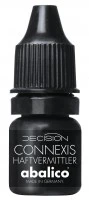
By choosing a purpose-made bonding agent gel, your customers (nail technicians or enthusiastic users) can trust that the product is tailored for the task - not a generalized primer or sticky layer.
Final Thoughts
For stunning nail art, the visible colors and designs get most of the credit - but the bonding agent gel is what makes them last beautifully. Without a strong bond at the base, even the most glamorous manicure can fail early.
If you’re building or upgrading your nail kit, investing in a high-quality bonding agent gel from your Abalico collection is a crucial step. Use the tips above, follow product instructions, and you’ll see the difference in retention, finish, and client satisfaction.