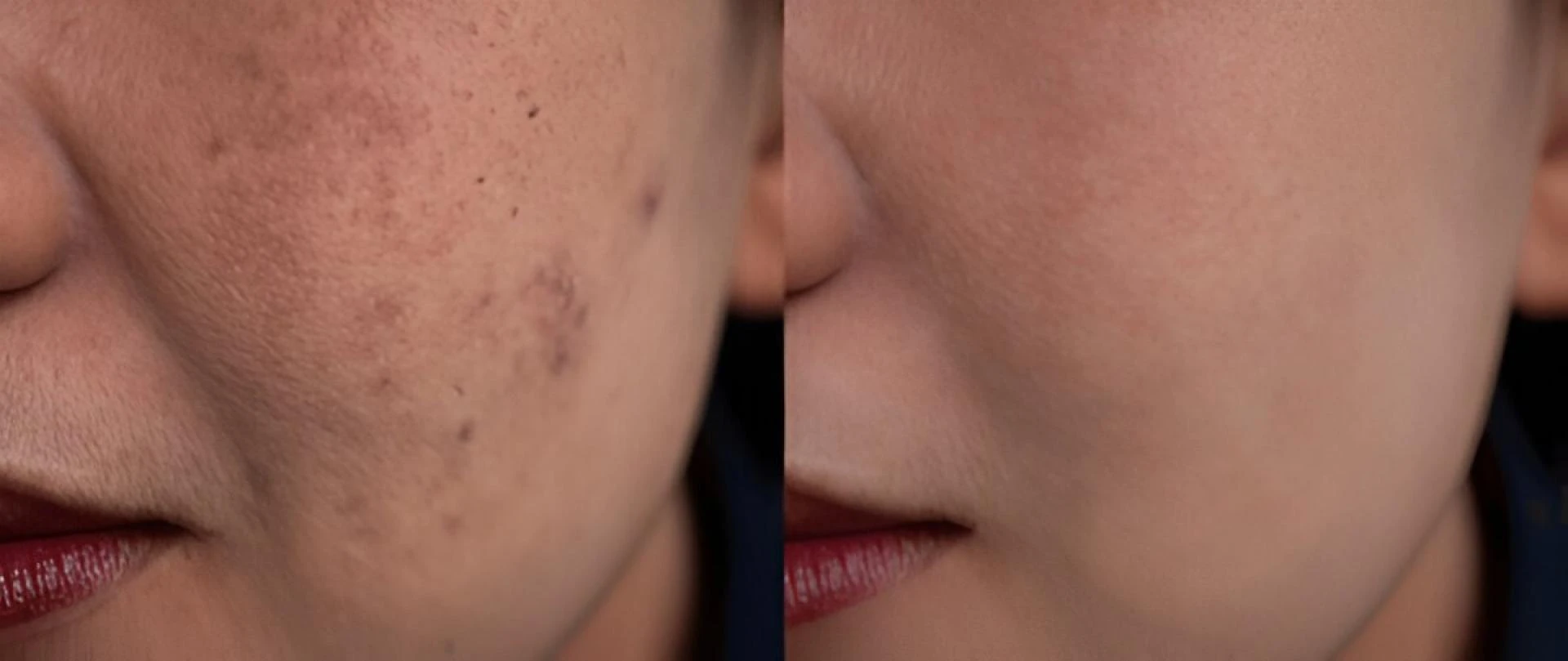
Melasma is a skin condition that causes brown or grey patches on the face and neck. Your skin cells produce excess melanin, a pigment that gives color to the skin, leading to hyperpigmentation. The dark irregular areas are the consequence of overstimulated and malfunctioning cells. This skin condition appears on different areas such as the forehead, cheeks, upper lips, etc. If you are wondering what causes melasma and what are its signs, you have come to the right place. This blog will outline the symptoms of melasma and several factors that cause this skin condition. Moreover, we will also discuss options available for melasma treatment in Ludhiana.
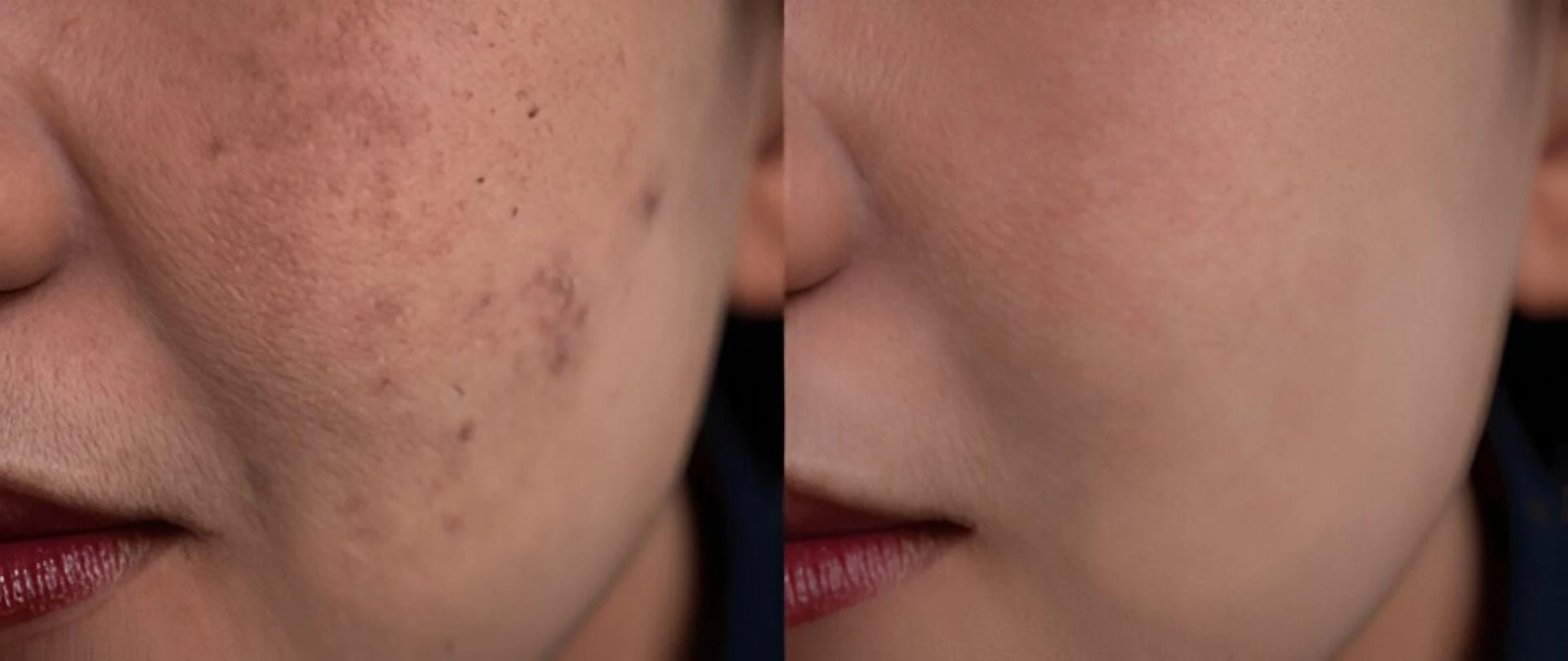
- Uneven, Dark Patches: The defining characteristic of melasma is uneven patches that are darker than the surrounding skin. These darker areas will usually be on both sides of the face.
- Distribution: Melasma usually occurs on the cheeks, the bridge of the nose, the forehead, the chin, and above the upper lip. Melasma can also affect the jawline, neck, or arms.
- Symmetry: Melasma patches mirror each other, and they form similar colors and shapes on opposite sides of the face.
- Shape and Size of Patches: Patches range from small spots to large areas that can connect with each other. Patches may have irregular edges but are often well-defined.
- Color: Usually, most patches are brown, though patches on individuals with darker skin types may appear grayish blue.
- No Physical Symptoms: Unlike a rash or acne, side effects of melasma aren't accompanied by itching, pain, or discomfort; it is merely cosmetic and psychological.
- Considered More Visible After Sun Exposure: Patches will tend to become darker or more noticeable in the summer months or if someone has gotten extreme sun exposure.
People with melasma may also experience distress about changes in their appearance, even though the condition is not dangerous. Women are the most commonly affected, most often during the reproductive age, and with darker skin types. Melasma is triggered by hormonal changes, family history, and some cosmetic products. If you are experiencing melasma, get in touch with Dr. Roopi Khera, a renowned skin doctor in Ludhiana at The Glo Medispa.
What are the Causes of Melasma?
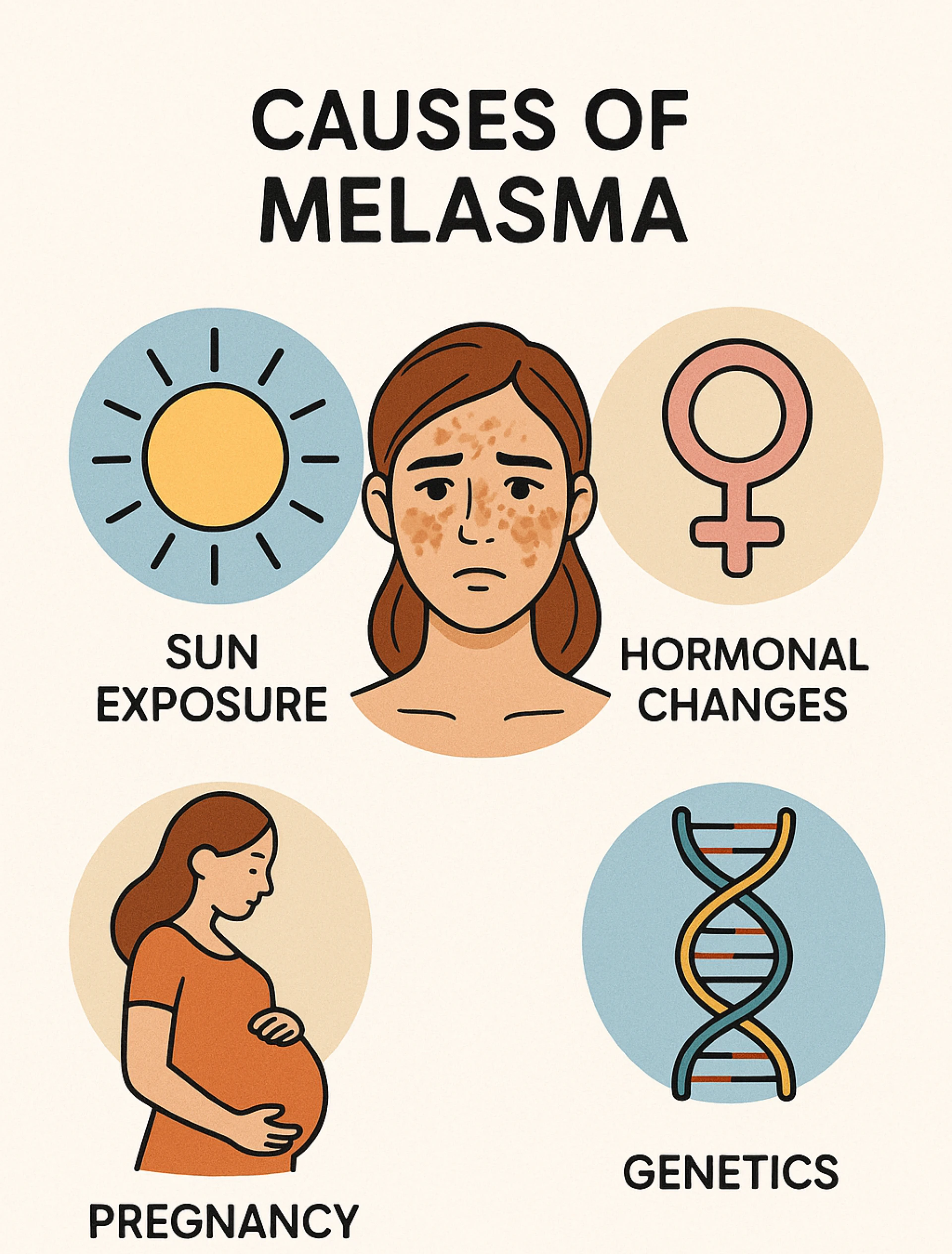
1. Hormones
One common underlying cause of melasma is hormonal fluctuations. People may develop sudden dark patches on their faces as a result of an increase or decrease in hormones such as progesterone and estrogen. Melasma can be caused by natural fluctuations, hormone replacement therapy, or the beginning or ending of the use of birth control pills and other hormonal contraceptives.
2. Pregnancy
Many pregnant women suffer from melasma due to hormonal changes. Between 15% and 50% of expectant mothers say they get brown spots during their pregnancy. Pregnancy-related melasma is so common that it has been known as the "mask of pregnancy."
3. Heat sources
When we spend time in the sun, our skin may make more melanin in an uneven way. Too much time spent around things like cooking grills, tanning beds, and heating lamps could be the cause of your melasma.
4. Genetics
A significant risk factor for melasma is a family history of the condition. Melasma affects one-third of the population, and many of those people report that they have someone in their blood related to the skin ailment. Furthermore, melasma is far more common in people with darker skin than in those with lighter skin.
Managing Melasma with the Right Knowledge

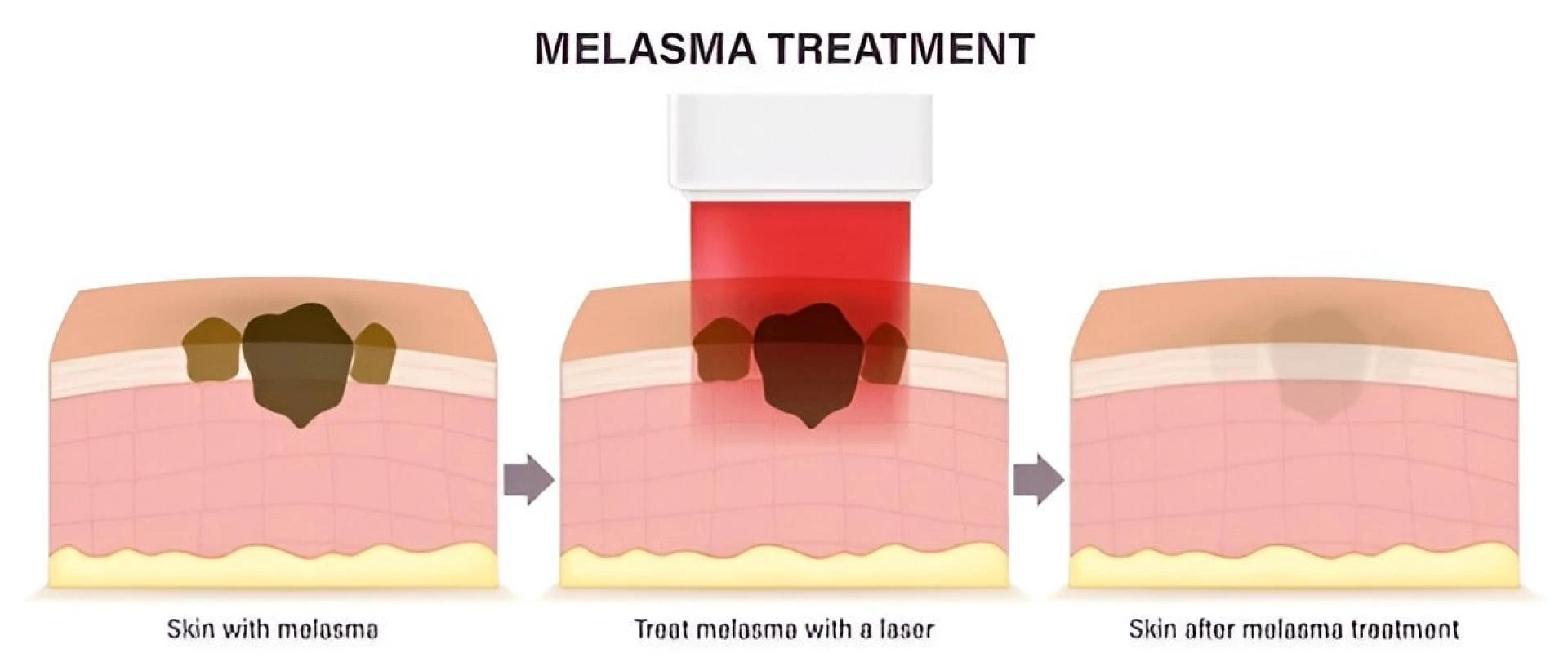
Are you dealing with melasma and looking for an effective treatment? Book a consultation with Dr. Roopi Khera, a leading skin doctor in Ludhiana, at The Glo Medispa. She offers several treatments for melasma, such as chemical peels, laser toning, microneedling, and mesotherapy. To know about these treatment options, visit The Glo Medispa Clinic.