Our eyes are one of the most delicate organs in the body. They help us see the world, recognize faces, and perform everyday tasks. But sometimes, serious eye problems can occur that require quick medical attention. One such condition is retinal detachment. In this article, we will explore what retinal detachment is, how it is treated, and why Dr Harsh Inder Retina Center is one of the best places for retinal detachment surgery.
What Is Retinal Detachment?
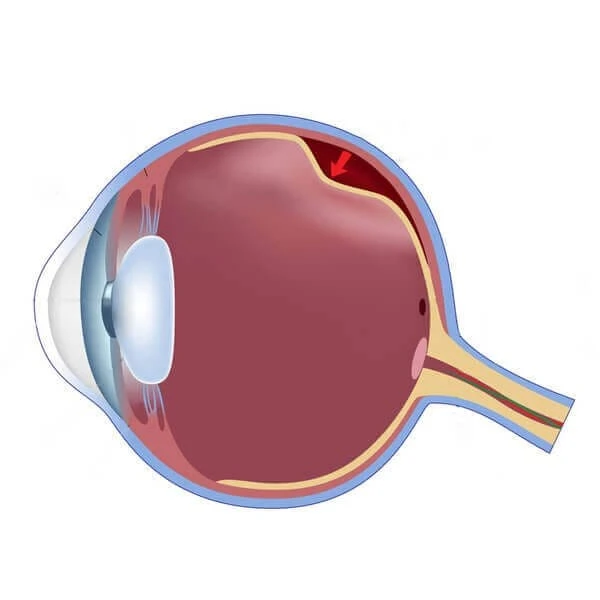
The retina is a thin layer of tissue at the back of the eye that senses light and sends visual signals to the brain. When the retina pulls away from its normal position, it is called a retinal detachment.
This condition is serious and can lead to permanent vision loss if not treated quickly. Retinal detachment separates the retina from the layer that provides oxygen and nutrients. Without this supply, retinal cells start to die, and the eye loses its ability to see clearly.
Causes of Retinal Detachment
Retinal detachment can happen to anyone, but some factors increase the risk. The most common causes include:
- Aging: As people get older, the gel-like substance inside the eye (called the vitreous) shrinks and may pull on the retina.
- Injury: A strong blow to the eye or head can cause the retina to tear.
- Previous Eye Surgery: People who have had cataract or other eye surgeries are at a slightly higher risk.
- Severe Myopia (Nearsightedness): Those with very high power lenses are more likely to experience retinal problems.
- Family History: If a close relative had retinal detachment, your chances may be higher.
- Other Eye Conditions: Problems such as Diabetic Retinopathy, eye infections, or inflammation can also contribute.
Symptoms You Should Never Ignore
Retinal detachment is often painless, but the warning signs are very noticeable. If you see any of the following, contact an eye specialist immediately:
- Sudden appearance of floaters (tiny specks or spots moving in your vision)
- Flashes of light in one or both eyes
- A shadow or curtain moving across your visual field
- Blurred or distorted vision
- Sudden loss of side (peripheral) vision
Recognizing these symptoms early can help save your sight.
Diagnosis of Retinal Detachment
If you suspect retinal detachment, an eye doctor will perform a complete eye examination. This may include:
- Visual Acuity Test: To check how well you can see at different distances.
- Pupil Dilation: Drops are used to widen your pupils so the doctor can see the retina more clearly.
- Ophthalmoscope Examination: The doctor examines the retina and back of the eye using a special light.
- Ultrasound Imaging: If the retina cannot be seen clearly, an ultrasound scan can help locate the detachment.
At Dr Harsh Inder Retina Center, modern diagnostic machines are used to detect even the smallest retinal tears and detachments accurately.
Treatment Options for Retinal Detachment
The only way to repair a detached retina is through retinal detachment surgery. The goal of the surgery is to reattach the retina and restore vision as much as possible.
There are different types of surgeries available depending on the condition:
1. Laser (Photocoagulation)
If the retina has only a small tear or hole, laser treatment may be enough. A laser beam seals the tear, preventing fluid from leaking under the retina.
2. Cryopexy (Freezing Treatment)
In this method, the surgeon applies a freezing probe to the outer surface of the eye. The intense cold helps to fix the retina to the underlying wall.
3. Pneumatic Retinopexy
This is a simple, outpatient procedure where a small gas bubble is injected into the eye. The bubble pushes the retina back into place. Laser or freezing treatment is then used to seal the tear.
4. Scleral Buckling Surgery
A small silicone band (called a buckle) is placed around the eye to gently press the wall of the eye against the detached retina. This method has been used safely for many years.
5. Vitrectomy
This surgery is used when the detachment is large or complex. The surgeon removes the vitreous gel pulling on the retina and replaces it with gas or silicone oil to hold the retina in place.
Recovery After Retinal Detachment Surgery
After surgery, the eye may feel sore for a few days. You may need to use eye drops to prevent infection and reduce swelling. The doctor will give you special instructions like:
- Avoid lifting heavy objects or bending over.
- Keep your head in a specific position if a gas bubble was used.
- Attend all follow-up visits for monitoring.
- Do not travel by air until your doctor says it is safe.
Recovery time varies from person to person. Many people regain most of their vision, especially if treated early.
Why Choose Dr Harsh Inder Retina Center for Retinal Detachment Surgery
Dr Harsh Inder Retina Center is known for advanced retinal care and precise eye surgery in Patiala. The center is led by experienced eye specialists who use modern tools and techniques to achieve the best results.
Here’s why patients trust this center for retinal detachment surgery:
- Expertise: The center is guided by one of the Best Eye doctors in Patiala, trained in advanced retinal surgery.
- Modern Technology: The clinic uses world-class machines for retina scanning, imaging, and laser treatment.
- Comprehensive Eye Care: Apart from retinal detachment, the center also offers specialized Diabetic Retinopathy Treatment, macular degeneration care, and other retinal services.
- Patient-First Approach: Every patient receives personalized attention, from diagnosis to recovery.
- Comfortable Environment: The clinic provides a friendly and comfortable experience for all age groups.
When it comes to delicate eye conditions like retinal detachment, choosing the right specialist can make all the difference. Dr Harsh Inder Retina Center ensures that every patient receives high-quality, safe, and effective treatment.
Preventing Retinal Detachment
While not all cases can be prevented, following simple eye care steps can reduce risk:
- Get regular eye check-ups, especially if you are over 40 or have Diabetic Retinopathy.
- Protect your eyes from injury during sports or physical work.
- Manage medical conditions like diabetes and high blood pressure.
- Visit an eye specialist immediately if you notice any vision changes.
Long-Term Care and Follow-Up
After retinal detachment surgery, consistent follow-up care is important. Regular check-ups help ensure the retina stays attached and vision continues to improve. Early detection of any new retinal problems can save sight again if needed.
At Dr Harsh Inder Retina Center, patients receive continuous care with a focus on long-term eye health and prevention of future issues.
Frequently Asked Questions (FAQs)
1. How long does retinal detachment surgery take?
The surgery usually takes 1 to 2 hours, depending on the method used and the complexity of the detachment.
2. Is retinal detachment surgery painful?
No, it is not painful. The procedure is performed under local or general anesthesia. You may feel mild discomfort afterward, but it goes away with prescribed medicines.
3. Will my vision return to normal after surgery?
Vision recovery depends on how severe the detachment was and how quickly it was treated. Many patients regain most of their vision, especially when treated early.
4. Can retinal detachment happen again?
Yes, in rare cases, it can happen again. Regular eye check-ups help detect any new retinal tears before they cause detachment.
5. What is the success rate of retinal detachment surgery?
Modern retinal surgeries have a high success rate, especially when performed by skilled specialists like those at Dr Harsh Inder Retina Center.
6. Can diabetic patients undergo this surgery?
Yes. In fact, Diabetic Retinopathy Treatment and retinal surgery are often linked. Diabetic patients are carefully managed to ensure safe surgical outcomes.
7. Who is the Best Eye doctor in Patiala for this surgery?
Dr Harsh Inder Retina Center is widely recognized for having some of the Best Eye doctors in Patiala, offering expert care for retinal and diabetic eye conditions.
Conclusion
Retinal detachment surgery is a sight-saving procedure that must be done quickly and carefully. With the right diagnosis, advanced surgical methods, and expert care, many people recover their vision successfully.
For anyone looking for trusted and advanced retinal care, Dr Harsh Inder Retina Center in Patiala provides complete eye solutions, including retinal detachment surgery, Diabetic Retinopathy Treatment, and more — ensuring every patient receives the best possible care for healthy vision.