Weight calibration is not something most people think about every day, but in industrial and lab environments it’s actually very important. A scale can look fine and still give wrong readings. And when that happens, the problems don’t always show straight away. Sometimes it takes weeks before someone realises something is off.
At Blake And Boughton, weight calibration is often discussed with customers who suddenly notice errors in their processes. Usually the scale wasn’t checked for a long time. That’s very common.
Also Read: Why Weighing Scale Calibration Matters More Than Most Businesses Realise
What Does Weight Calibration Mean?
Weight calibration is basically the process of checking a scale against a known value. You place a known weight on the scale and see if the reading matches what it should be. If it doesn’t, then the scale needs adjustment.
Those known weights are called scale calibration weights. They are manufactured to very exact standards, so they can be trusted as a reference. Without proper calibration weights, there’s no real way to know if a scale is accurate or not.
Some people think calibration is only needed once, but that’s not true. Scales change over time.
Why Scales Lose Accuracy
There are many reasons why a scale can lose accuracy. In industrial settings, vibration is a big one. Heavy machinery, constant movement, or even nearby traffic can slowly affect a scale. Temperature changes also play a role, especially in warehouses.
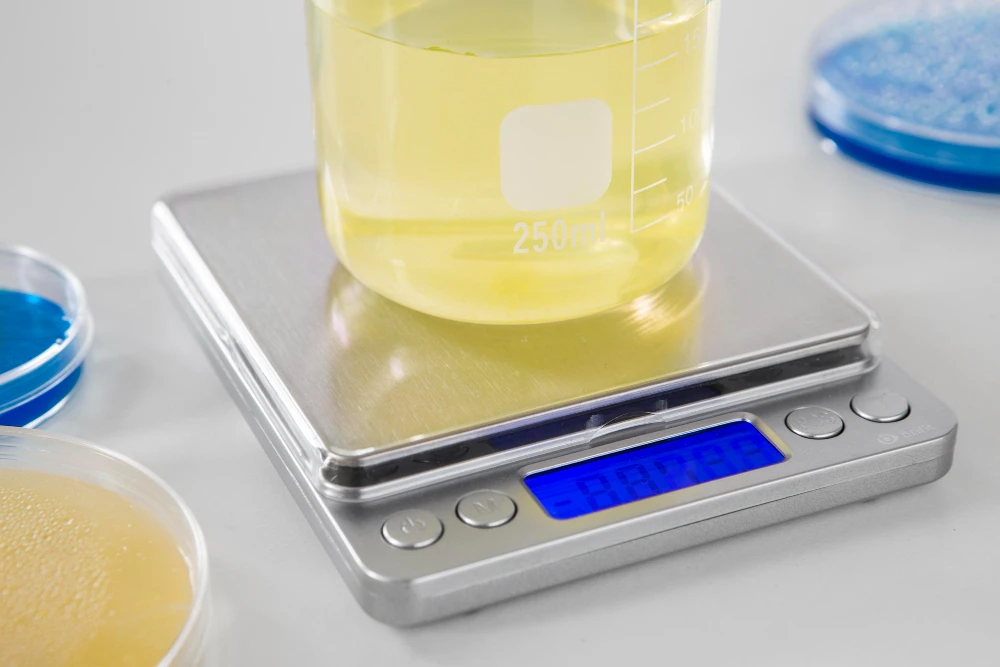
In laboratories, the environment is usually more controlled, but accuracy demands are much higher. Even small dust particles or air movement can impact results. That’s why labs rely heavily on high-quality scale calibration weights and careful handling.
Industrial Use of Weight Calibration
In factories and production sites, scales are used all day long. They measure raw materials, finished products, and packaging. If a scale is off, products may be underweight or overweight. That can lead to customer complaints or wasted material.
Regular calibration helps avoid these issues. Many industries are also required to meet certain standards. During audits, calibration records are often checked. Missing records or inaccurate calibration can cause compliance problems.
Some companies wait until a scale breaks or shows obvious errors. By then, the damage might already be done.
Laboratory Applications
In laboratories, accuracy is even more critical. Research, testing, and quality control depend on precise measurements. A small error in weight can completely change test results.
That’s why labs usually calibrate more often than industrial sites. Scale calibration weights used in labs are often stored carefully, sometimes in special cases. Handling rules are stricter too, like using gloves or tweezers.
Calibration isn’t just a routine task in labs, it’s part of daily discipline.
Choosing the Right Calibration Weights
Not all calibration weights are the same. They come in different accuracy classes depending on how precise they need to be. Industrial applications may not need the same level of accuracy as laboratories.
Material also matters. Stainless steel weights are popular because they last longer and resist corrosion. Poor quality weights can wear down, which affects accuracy over time.
Using the wrong scale calibration weights can give misleading results, even if the calibration process seems correct.
How Often Should Calibration Be Done?
There’s no single rule. It depends on how often the scale is used and how important the measurement is. Some scales are checked daily, others weekly or monthly.
What’s important is consistency. A regular schedule helps catch issues early. Keeping records also helps track performance and meet audit requirements.
A common mistake is assuming that new scales don’t need calibration. Even new equipment should be checked before use.
Common Errors People Make
One big mistake is poor storage of calibration weights. Leaving them exposed to dust, moisture, or knocks can slightly change their mass. Another issue is handling weights with bare hands, which can leave residue.
People also sometimes rush the calibration process. Skipping steps or using uncertified weights defeats the whole purpose.
Why Quality and Trust Matter
Calibration is only reliable if the tools are reliable. Cheap or damaged weights lead to false confidence. That’s why many businesses turn to trusted suppliers.
At Blake And Boughton, accuracy and consistency are taken seriously. Good calibration supports better processes, better data, and fewer problems overall.
Final Thoughts
Weight calibration plays a crucial role in both industrial and laboratory environments. It supports accuracy, quality, and compliance. Using proper scale calibration weights, handling them correctly, and following a regular calibration routine makes a real difference.
It might not be the most exciting task, but when calibration is done right, everything else works better. And that’s something every operation depends on.