Industrial facilities lose enormous amounts of energy every day through exhaust air, flue gas, process water, and cooling systems most of it simply vented into the atmosphere. A Waste Heat Recovery Heat Pump changes that equation entirely. By capturing this low-grade thermal energy and upgrading it for productive reuse, these systems help businesses slash energy bills, cut carbon emissions, and meet tightening sustainability targets. But to truly appreciate what makes them work, it helps to understand the fundamental components that power them.
1. The Heat Source Interface: Capturing What Would Otherwise Be Wasted
Every waste heat recovery system begins at the heat source. This is the entry point where thermal energy — typically in the form of exhaust air, flue gas, condenser heat from chillers, process water, or cooling tower blowdown is drawn into the system.
The interface here usually involves a primary heat exchanger or pre-conditioning unit that extracts usable thermal energy from the waste stream without direct contact with the refrigerant. This protects downstream components from contaminants and allows the system to handle diverse industrial heat sources.
Proper heat source identification and temperature profiling are critical at this stage. The quality and consistency of the available waste heat directly influence the system's overall coefficient of performance (COP) a key efficiency metric.
2. The Evaporator: Transferring Low-Grade Heat Into the Refrigerant Loop
Once the waste heat source is tapped, the next major component is the evaporator. This heat exchanger transfers thermal energy from the waste stream into the refrigerant, causing it to evaporate from a liquid into a vapor state.
Even low-temperature heat sources such as process water at 30–50°C carry enough energy to drive this phase change effectively. The evaporator is therefore designed to maximize surface area and heat transfer efficiency, even when working with relatively modest temperature differentials.
In industrial applications, evaporators are built for durability, often using plate heat exchanger or shell-and-tube designs depending on flow rates, pressure requirements, and the nature of the waste heat stream.
3. The Compressor and Condenser: Upgrading and Delivering Usable Heat
After the refrigerant absorbs waste heat and vaporizes, it moves to the compressor — the mechanical engine of the entire system. The compressor raises the refrigerant's pressure and temperature significantly, lifting it to a level where it can deliver heat at genuinely useful temperatures for space heating, domestic hot water, boiler preheating, or industrial process heating.
The now high-pressure, high-temperature refrigerant vapor then flows into the condenser, where it releases its thermal energy into the target medium typically water or steam. The refrigerant condenses back into liquid form, ready to repeat the cycle.
Together, the compressor and condenser determine the system's output temperature range and heating capacity. Advanced industrial systems can deliver output temperatures well above 90°C and in high-temperature configurations, up to 130°C or more making them suitable for demanding process heating environments.
4. Expansion Valve and Control Systems: Precision Regulation for Continuous Performance
The expansion valve completes the thermodynamic refrigerant cycle by reducing the refrigerant's pressure after the condenser, cooling it back down before it re-enters the evaporator. This controlled pressure drop is essential to maintaining the efficiency of the closed-loop cycle.
Equally important is the control and monitoring system. Modern waste heat recovery heat pumps integrate with Building Management Systems (BMS) or industrial SCADA platforms, enabling real-time performance tracking, load management, fault detection, and remote diagnostics. These smart controls ensure the system adapts dynamically to changes in waste heat availability and heating demand maximizing energy recovery at all times.
For energy-intensive industries such as food and beverage processing, pharmaceuticals, chemical manufacturing, and data centres, this level of operational intelligence is not a luxury, it's a necessity.
Conclusion: Invest in the Components That Work for You Around the Clock
Understanding the basic components of a Waste Heat Recovery Heat Pump system from the heat source interface and evaporator to the compressor, condenser, and smart controls reveals just how elegantly these systems transform wasted energy into a productive asset. Each component plays a precise role in delivering consistent, high-efficiency performance that reduces operational costs and supports decarbonization goals.
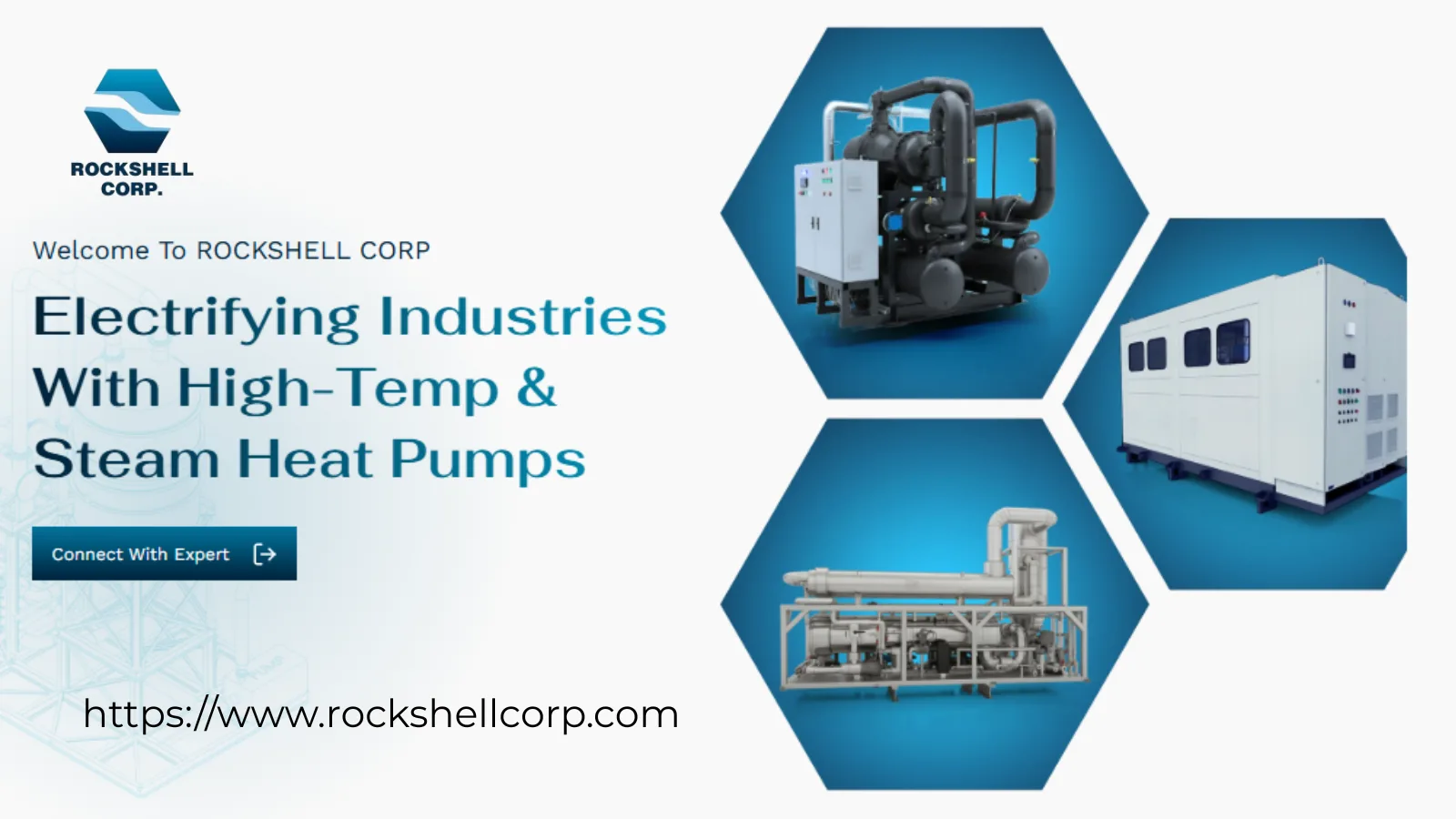
If your facility generates significant thermal waste, now is the time to act. Specialists like Rockshell Corp engineer modular, custom-built waste heat recovery solutions matched to your facility's unique thermal profile with full support from design and commissioning through to long-term maintenance. Explore how a tailored system can deliver measurable returns and a short payback period for your operation.