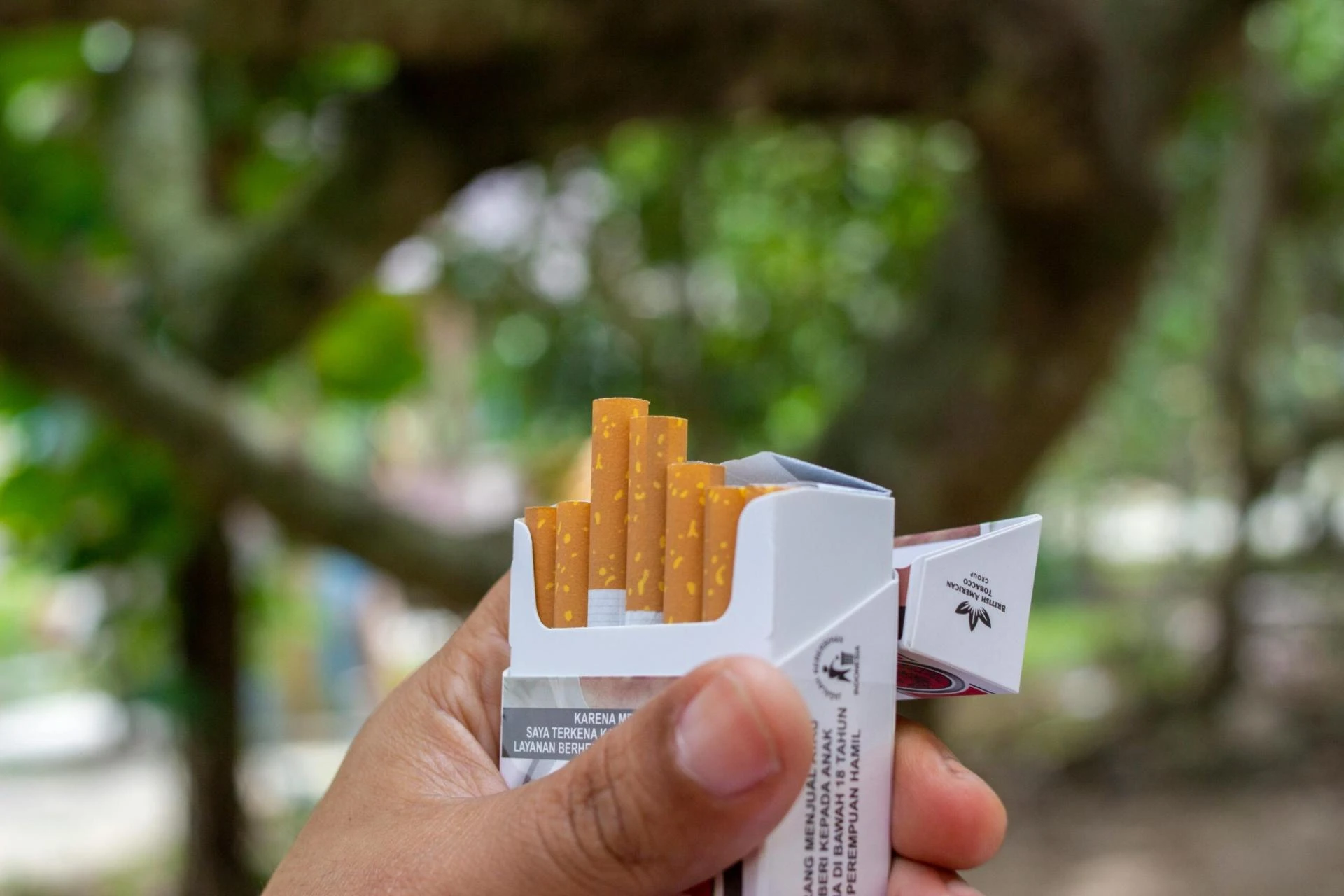
Australia leads the world in tobacco control with strict measures designed to protect public health and reduce smoking rates. Recent updates under the Public Health (Tobacco and Other Products) Act 2023 have introduced significant changes to tobacco products, including outright bans on certain types and features that make smoking more appealing. These regulations standardise packaging, restrict ingredients, and eliminate elements that mask tobacco's harshness, ensuring consumers face the true risks of smoking.
Recent Tobacco Legislation Overview
The Australian government enacted the Public Health (Tobacco and Other Products) Act 2023 to consolidate and modernise tobacco laws, replacing older acts like the Tobacco Plain Packaging Act 2011. This legislation aims to discourage smoking, promote quitting, and address emerging products while aligning with the WHO Framework Convention on Tobacco Control. Key changes took effect in phases, with full compliance required by mid-2025, including transition periods for retailers to clear old stock.
The laws maintain Australia's pioneering plain packaging requirements, where all tobacco products must use drab olive-green packs without logos or branding, featuring large graphic health warnings. They also standardise pack sizes to 20 cigarettes per pack and cartons of 10 packs, eliminating novelty sizes that could attract new users. Cigarette sticks must now be uniform in length and width, banning unique filters or designs that mislead about harm levels.
Banned Ingredients and Flavours
A major focus of the new rules targets ingredients that enhance tobacco's appeal, making it taste better, feel smoother, or harder to quit. Prohibited additives include menthol, cloves, sugar, rum, probiotics, vitamins, and any substances mimicking menthol's cooling effect. These bans address how such elements mask smoke's harshness, dull cough reflexes, and boost nicotine's addictive impact, particularly drawing in young smokers.
Menthol cigarettes and accessories like crush balls or flavour beads faced a full ban from July 1, 2025, after a three-month sell-off period. Evidence shows menthol eases inhalation, increases lung toxin absorption, and heightens addiction, with menthol users more likely to crave cigarettes soon after waking or struggle to quit. Countries like Canada and the EU saw drops in smoking rates post-menthol bans, supporting Australia's approach.
Prohibited Product Features and Names
Beyond ingredients, the regulations ban attractive features such as crushable capsules in filters, which release flavours mid-use and have proved popular among teens. Variant names implying reduced harm, like "light," "mild," "smooth," "gold," or "blue," are now restricted or removed to prevent false perceptions of safety. This ensures no product appears less dangerous than others.
Packaging must include updated graphic warnings covering one of ten messages, including new links to cervical cancer, diabetes, and 16 cancers total, plus quitting advice inserts. Individual cigarette sticks carry printed warnings like "causes 16 cancers" or "damages your lungs," making health risks unavoidable even during use.
Impact on Specific Cigarette Types
These rules effectively ban entire categories of cigarettes. Menthol varieties, once common, vanished from shelves by July 2025, as they rely on prohibited cooling agents. Light cigarettes, often marketed with lower tar perceptions like those in products such as Manchester Light Cigarettes, fall under naming restrictions and uniform standards that eliminate "light" distinctions. Flavoured options with rum, clove, or other enhancers are gone, as are those with variable lengths or specialty filters.
No specific brands are outright banned, but non-compliant variants cannot be sold legally. Retailers must source from licensed suppliers, with strict enforcement against illicit trade via a new Illicit Tobacco Commissioner. This has led to fewer appealing options, contributing to Australia's low smoking prevalence, though tobacco remains the top preventable killer, claiming over 24,000 lives yearly.
Health Benefits and Quitting Support
The bans reduce smoking's allure, helping prevent uptake among youth and aiding cessation for current users. Plain packaging and warnings have already driven sales declines since 2012, with further drops expected. Australia reports one of the world's lowest adult smoking rates, but gaps persist, especially among First Nations communities.
For those affected by these changes, free support abounds. Quitline (13 78 48) offers counselling, while Quit.org.au provides tools, apps like My QuitBuddy, and medication advice from doctors. Health professionals recommend nicotine replacement therapies to manage withdrawal, emphasising that quitting slashes risks dramatically over time.
Navigating Changes as a Smoker
With fewer varieties available, smokers may notice shifts in taste and options due to standardised production. Illicit products pose greater dangers from unknown additives, so sticking to licensed retailers is crucial. These humane reforms prioritise long-term health, giving people clear information and support to make informed choices without glamorising tobacco.
In summary, Australia's bans target menthol cigarettes, flavour enhancers, deceptive names, and gimmicky features, reshaping the market for safer outcomes. For compliant tobacco needs amid these regulations, consider trusted suppliers like My Cigs Australia.