In oil and gas operations, maintaining pipeline performance is not limited to mechanical design alone. Chemical treatment plays a major role in preventing corrosion, scaling, and flow disruptions. For these treatments to work effectively, chemicals must be introduced at the right point inside the pipeline.
A chemical injection quill is used to deliver chemicals directly into the flow stream. Instead of injecting fluids near the pipe wall, this device ensures that the chemical reaches a position where it can mix properly with the moving medium. This improves treatment efficiency and avoids uneven distribution.
Many oil and gas equipment manufacturing companies supply such components for systems where accurate dosing and consistent performance are required.
Role of Chemical Injection Quills in Industrial Systems
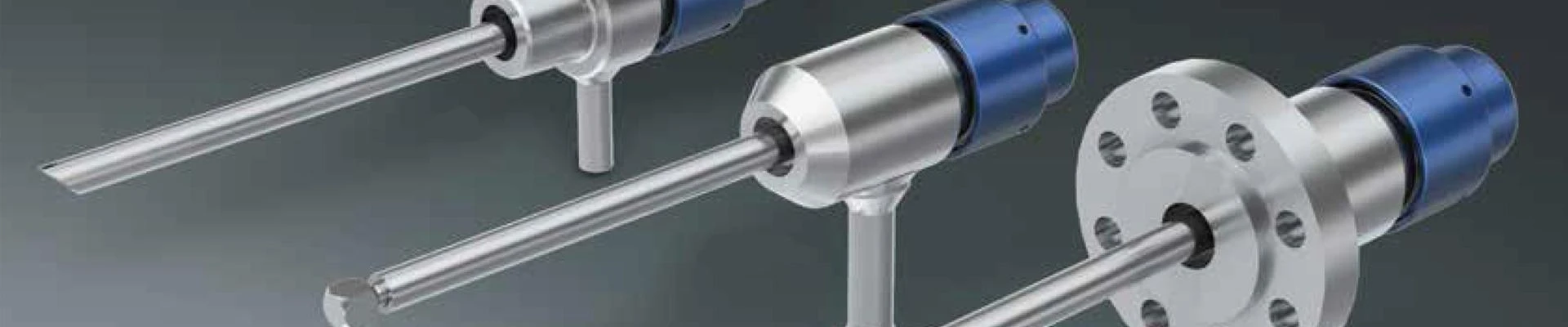
A chemical injection quill is a specialised insertion device fitted into a pipeline to introduce chemicals at a controlled location. It typically consists of a slender tube that extends from the pipe wall into the flowing fluid.
The key purpose of this design is to ensure that the injected chemical is released into the central part of the pipeline, where flow velocity is higher. This allows better mixing compared to surface-level injection.
In industrial applications, chemical injection quills are used where precise chemical distribution is necessary to maintain system stability and protect internal surfaces.
Why Proper Chemical Injection Matters
Uniform Distribution
When chemicals are injected at the correct depth, they mix more evenly with the process fluid. This prevents concentration in one area and improves overall treatment results.
Protection of Pipeline Surfaces
Direct contact of concentrated chemicals with pipe walls can lead to material damage over time. Central injection reduces this risk.
Consistent Process Control
Controlled injection ensures that dosing remains stable, which is important for continuous operations.
Reduced Chemical Waste
Efficient mixing means that smaller quantities of chemicals can achieve the required effect, helping in cost control.
Oil and gas equipment manufacturing companies consider these factors when designing pipeline injection systems.
How a Chemical Injection Quill Works
The working principle is simple but effective. The device is installed through a nozzle or threaded connection on the pipeline. A chemical dosing system feeds the required fluid into the quill, which then releases it into the pipeline.
Step-by-Step Operation
- A dosing pump supplies chemical fluid at a controlled rate
- The fluid enters the quill through an inlet connection
- The quill extends into the pipeline
- The chemical is discharged into the flowing stream
Because the injection point is positioned within the flow, the chemical disperses quickly. With chemical injection quills, this process ensures steady mixing even in high-pressure systems.
Types of Injection Quills
Different pipeline conditions require different configurations. Selection depends on access, pressure, and maintenance requirements.
Fixed Type
These are permanently installed and used in systems where operating conditions do not change frequently. They are simple in design and require minimal adjustment.
Retractable Type
Retractable designs allow removal of the quill without shutting down the pipeline. This is useful for inspection, cleaning, or replacement.
Multi-Port Type
These include multiple discharge openings to improve chemical spread across the pipeline diameter. They are used in larger pipelines where single-point injection may not be sufficient.
Oil and gas equipment manufacturing companies often customise these designs based on system requirements.
Materials Used in Construction
Material selection is critical for durability and safety. The injected chemicals, along with operating conditions, influence the choice of material.
Common Materials
- Stainless steel for general industrial use
- Duplex and super duplex steel for higher corrosion resistance
- Special alloys for high-temperature or aggressive chemical environments
The right material helps maintain structural integrity and reduces the need for frequent replacement.
Applications in Oil and Gas Industry
Injection systems are used across different stages of oil and gas processing.
Corrosion Inhibition
Corrosion inhibitors are injected to protect pipelines from internal degradation caused by moisture and gases.
Scale Control
Mineral buildup can block flow and lower system performance. Scale inhibitors help prevent these deposits from forming.
Hydrate Prevention
In gas pipelines, hydrate formation can lead to blockages. Chemical injection helps manage this risk.
Bacterial Control
Biocides are used to control microbial growth that can affect both equipment and product quality.
In such applications, chemical injection quills support reliable delivery of treatment chemicals within the pipeline.
Design Considerations
Selecting the correct injection system involves evaluating several technical factors.
Pipe Diameter and Length
The quill must extend far enough to reach the desired injection point, usually near the centre of the pipe.
Flow Conditions
Velocity, turbulence, and direction of flow affect how the chemical mixes with the process fluid.
Pressure and Temperature
The device must withstand operating conditions without deformation or leakage.
Chemical Compatibility
Some chemicals may react with certain materials, making material selection important.
Oil and gas equipment manufacturing companies design these components based on these parameters to ensure proper performance.

Installation and Maintenance
Installation Requirements
Correct positioning is important for effective operation. The quill should be aligned properly and secured to prevent vibration. All connections should be securely fastened to prevent leaks.
Maintenance Practices
Routine inspection helps maintain performance. Common checks include:
- Cleaning of the discharge tip
- Inspection for corrosion or wear
- Checking seals and connections
Using chemical injection quills with proper maintenance ensures long service life and stable operation.
Advantages of Using Injection Quills
- Accurate placement of chemicals within the pipeline
- Improved mixing and reaction efficiency
- Reduced chemical consumption
- Lower risk of localised corrosion
- Suitable for high-pressure and continuous systems
These benefits make them a common choice in industrial pipeline applications.
Common Challenges and Solutions
Blockage at Injection Point
Deposits or particles can restrict flow. Regular cleaning helps prevent this issue.
Material Wear
Continuous exposure to chemicals can affect the material. Selecting the right alloy reduces this risk.
Incorrect Positioning
If the quill does not reach the correct depth, mixing may be uneven. Proper installation solves this problem.
Addressing these issues early helps maintain consistent system performance.
Conclusion
A chemical injection quill is an important component used to introduce chemicals into pipelines with precision. By delivering chemicals directly into the flow stream, it improves mixing, protects equipment, and supports smooth operation.
Its use is common across applications such as corrosion control, scale prevention, and hydrate management. Proper design, correct installation, and routine maintenance are necessary to ensure reliable performance over time.
Many oil and gas equipment manufacturing companies supply these components for different industrial requirements. For dependable solutions in this field, NND OIL & GAS provides equipment designed for practical use in pipeline systems.