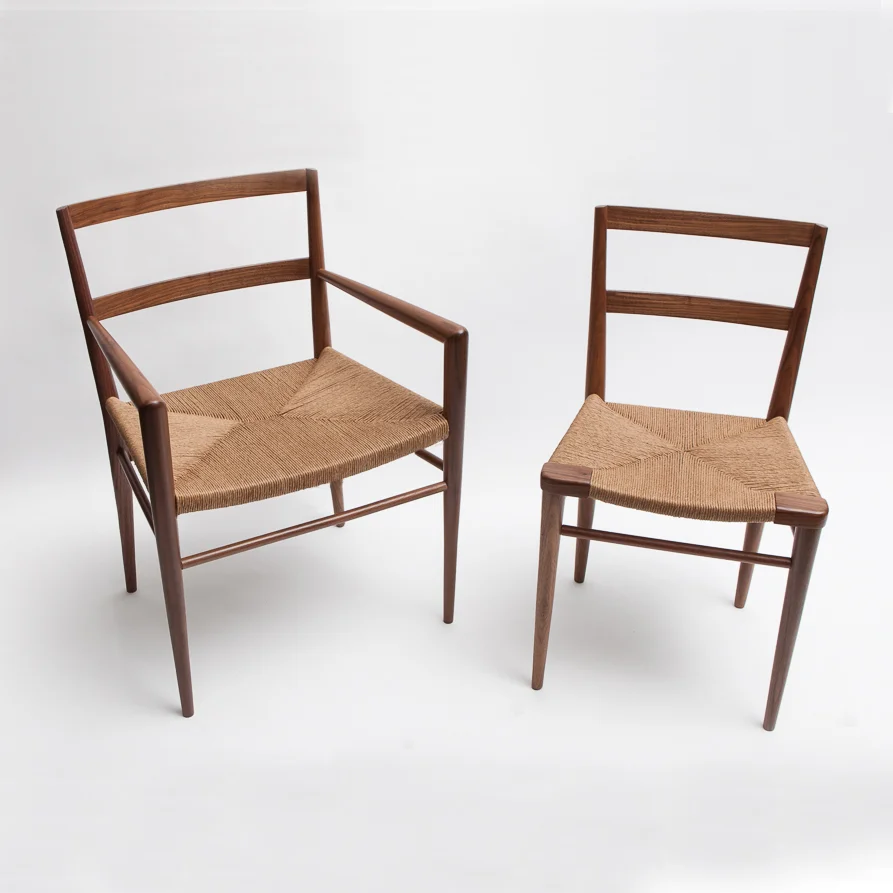
The Enduring Charm of Woven Furniture
Step into any antique shop or browse a collection of vintage furniture, and you’ll inevitably encounter a chair with a distinctive, tightly woven seat. These pieces possess an undeniable rustic charm and an air of history that mass-produced furniture simply cannot replicate. This is often the allure of the classic rush seat.
A rush seat is more than just a place to sit; it is a centuries-old craft that speaks to durability and traditional design. If you own one of these beautiful, woven pieces—whether a delicate antique or a sturdy reproduction—understanding its construction is key to its preservation. If you’ve ever wondered what these seats are made of, how they’re woven, and why they’ve remained popular, read on. Knowing the fundamentals is the first step in recognizing when your treasured chair might be in need of expert rush seating repair.
Defining the Rush Seat: Materials, Weave, and Variations
A rush seat is characterized by its interwoven pattern, created by wrapping long, twisted strands of fibrous material around the seat rails. The resulting texture is distinct from caning, which uses thin strips of rattan woven into a complex geometric pattern.
The term "rush" refers to the original material used, which was typically natural rush—the twisted and dried leaves of the cattail or bulrush plant. Natural rush offers a beautiful, organic look that darkens and becomes more brittle with age.
However, the craft evolved, introducing other popular materials:
- Paper-Fibre Rush (Paper Rush): This is the most common modern material for rush seats. It consists of long strands of tightly twisted kraft paper that are processed and dyed to mimic the look of natural rush. It is more uniform, highly durable, and is the material of choice for most professional rush seating repair today.
- Cane (Rattan): While technically different, chairs with cane seats are often grouped with rush furniture because they share a common natural origin and weaving technique. Cane uses the outer skin of the rattan vine and is often woven into a delicate, hexagonal (spider-web) pattern.
The weaving process is intricate. The artisan twists the strands into a thick cord and then wraps them continuously around the four seat rails, crisscrossing at the centre to create the characteristic “envelope” or “L-shape” pattern that defines the rush seat.
A Tradition of Durability: The History of Rush Seating
The tradition of rush and woven seating dates back many hundreds of years, making it a staple of antique and vintage furniture. In colonial America and throughout Europe, rush was an inexpensive, abundant, and easily replaceable material. It was the material of necessity, used in simple, everyday chairs, from provincial French styles to the iconic, clean-lined Shaker furniture.
Rush seating became popular precisely because it offered a fantastic combination of qualities:
- Durability: The dense weave, when properly maintained, can last decades.
- Breathability: The woven pattern allows for airflow, making the chair cooler and more comfortable than solid wood seats in warmer climates.
- Value Indicator: Today, the condition and originality of a rush seat are often key factors in determining the authenticity and value of an antique chair.
Recognizing and Caring for Your Woven Treasures
If you suspect your chair has a rush seat, look for the unique texture of the twisted strand and the way the material forms clear lines from corner to corner. When a seat is damaged—perhaps the paper has dried out and cracked, or the natural material has broken or sagged—it significantly detracts from the chair's stability and appearance.
To help you recognize the typical wear and tear that necessitates professional service, here are examples of rush seats before and after restorative work:
For longevity, rush needs a moderate level of humidity; dryness is its enemy. Never store rush chairs in extremely hot or dry attics. If you notice cracking, excessive sagging, or broken strands, it’s a clear sign the seat needs attention.
Do-it-yourself fixes often fail to replicate the tight, even tension and authentic pattern, which is why professional service is so vital. If your woven seat requires attention, trust the experts to restore the function and beauty of your piece. You can learn more about our services here: Rush seating repair. For immediate assistance, search "Rush seat repair near me" on Google to view our business profile and customer reviews, or click here: Rush seat repair near me.