In a world where remote work is quickly becoming the norm, the role of a virtual assistant (VA) is more in-demand than ever. Businesses—large and small—are actively outsourcing day-to-day operations to independent professionals who can manage everything from inboxes to social media, customer support, and beyond. If you've ever considered working from home or starting your own digital business, learning how to become virtual assistant might be your ideal first step.
This guest post walks you through what a virtual assistant does, what skills are needed, and how to get started with confidence, even if you have no experience.
What is a Virtual Assistant?
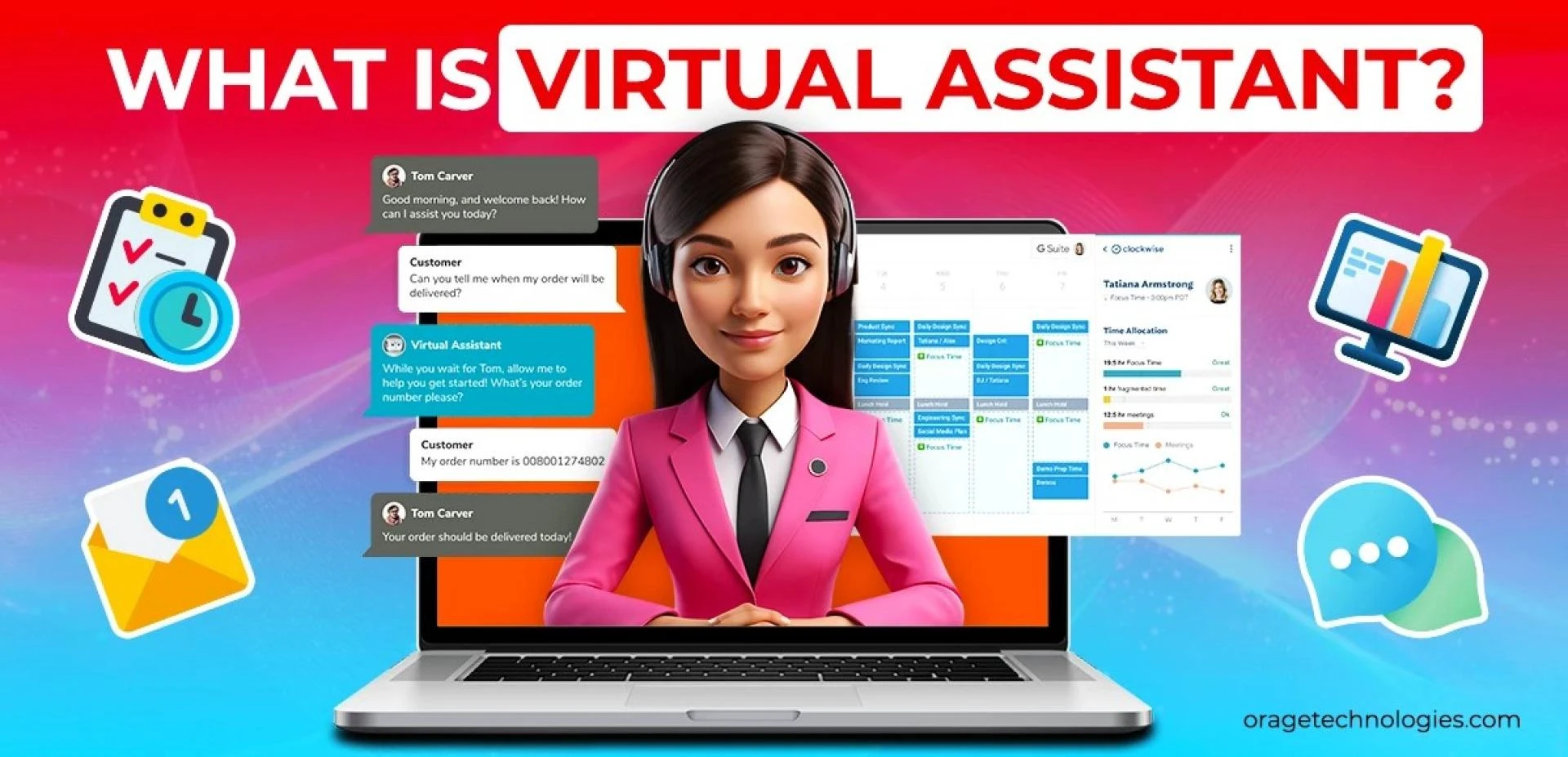
A virtual assistant is a remote professional who supports businesses, entrepreneurs, or individuals with administrative, technical, or creative tasks, without being physically present in the office. Most VAs work from home and communicate with clients using tools like email, video conferencing, and collaboration platforms such as Trello or Slack.
Tasks vary widely, depending on the VA’s niche, but often include:
- Email and calendar management
- Social media scheduling and engagement
- Data entry and CRM updates
- Bookkeeping or invoicing
- Research and report preparation
- Customer service and live chat support
- Content writing or editing
Why Virtual Assistants Are in High Demand
The rise of the gig economy and global digital transformation has led to an explosion in demand for virtual assistants. Here’s why businesses love hiring VAs:
- Cost Efficiency: No need to pay for office space or full-time benefits.
- Flexibility: VAs work hourly, per project, or on retainer—based on client needs.
- Scalability: Business owners can easily scale support up or down.
- Global Talent Access: Hire the best talent regardless of location.
Top Skills You Need to Become Virtual Assistant
If you want to become virtual assistant, here are the core skills that will set you up for success:
- Strong communication: Both written and verbal
- Time management: Handling multiple tasks for multiple clients
- Technical proficiency: Familiarity with tools like Google Workspace, Zoom, Trello, Canva, etc.
- Problem-solving: Handling tasks independently and efficiently
- Professionalism and discretion: Especially when managing sensitive information
Depending on your niche, you may also want to learn platforms like Mailchimp (for email marketing), Shopify (for e-commerce), or Hootsuite (for social media scheduling).
Step-by-Step: How to Become Virtual Assistant
Ready to get started? Here’s a quick roadmap to launch your career as a virtual assistant:
- Choose Your Services and Niche
- Focus on areas you enjoy and are skilled in—admin support, marketing, tech, real estate, etc.
- Develop the Necessary Skills
- Take online courses, practice with tools, and build up your confidence.
- Set Up Your Business
- Create a professional profile or website, define your rates, and decide how you’ll bill clients.
- Build a Portfolio
- Include sample work, testimonials, or mock projects that show your expertise.
- Start Marketing Yourself
- Use platforms like Upwork, Fiverr, LinkedIn, and Facebook groups. Don’t hesitate to pitch directly to small businesses or startups.
- Deliver Outstanding Service
- Always aim to exceed expectations—great service brings repeat work and referrals.
How Much Can You Earn as a Virtual Assistant?
Virtual assistant rates vary based on skill level, location, and service complexity. Entry-level VAs typically earn $10–$20/hour, while experienced or specialized VAs can command $30–$60/hour or more. You can also build service packages or monthly retainers for recurring tasks.
Over time, many virtual assistants grow their services into agencies or launch digital products to scale income.
Final Thoughts
If you're looking for a flexible, rewarding way to work online, the decision to become virtual assistant might be the best move you make this year. It offers location independence, low startup costs, and the chance to work with businesses across industries.
All you need is a laptop, a strong work ethic, and a willingness to learn. Start small, stay consistent, and soon you'll not only become a virtual assistant—you’ll become an expert in demand.