The HR landscape has undergone massive changes in the last decade. From stacks of paper resumes to cloud-based recruitment platforms, human resource management has evolved into a tech-enabled function. But one transformation that’s been quietly reshaping the day-to-day workings of HR departments is the HR chatbot.
If you’ve worked in HR or interacted with your company’s HR team, chances are you’ve already come across one—perhaps without even knowing it.
So what exactly is an HR chatbot? Why is it becoming such a critical tool for organizations of all sizes? And what are the real benefits and limitations that HR professionals should be aware of?
Let’s break it all down—with real-world context, human stories, and practical use cases.
What Is an HR Chatbot?
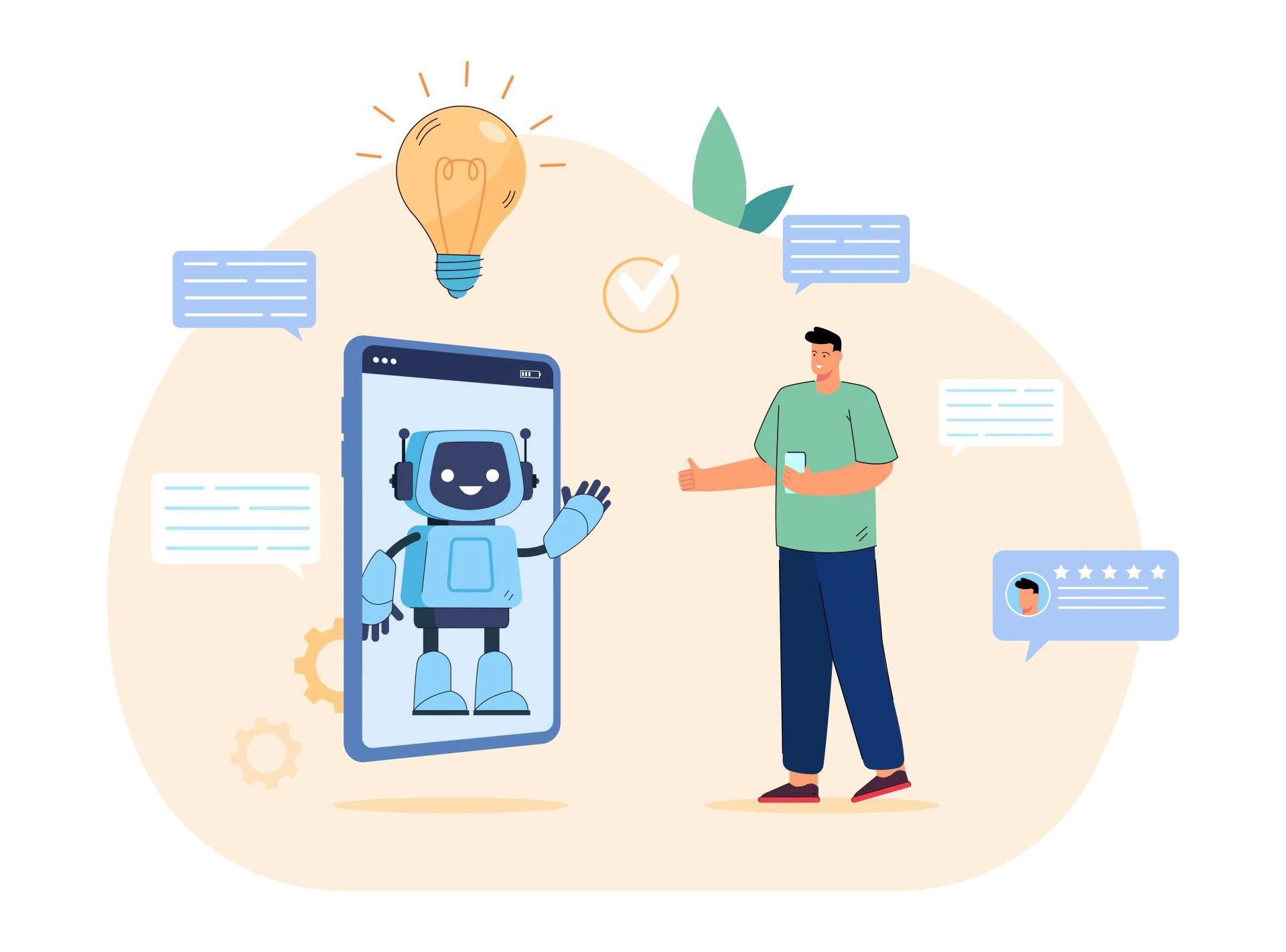
At its core, an HR chatbot is an AI-powered virtual assistant designed to help with human resources tasks by interacting with users through a conversational interface. That “user” could be a current employee looking up their remaining vacation days, a job candidate checking on their application status, or even a manager requesting help with policy clarification.
These bots often live on internal company platforms—like Slack, Teams, or custom portals—and respond to queries 24/7, just like a human HR rep would. The big difference? They don’t sleep, don’t take breaks, and can answer hundreds of questions simultaneously.
Why HR Chatbots Matter in Today’s Workplaces
Imagine you’re an HR manager in a company of 500 employees. Every Monday morning, your inbox is flooded with emails asking questions like:
- “What’s our holiday policy for this year?”
- “How do I apply for parental leave?”
- “Where can I find the reimbursement form?”
These are necessary questions, but answering each one manually eats into time that could be spent on more strategic tasks like talent development, employee engagement, or diversity and inclusion planning.
That’s where HR chatbots shine. They take care of the repetitive, low-stakes interactions so that your human HR team can focus on the high-impact stuff.
Use Cases: More Than Just FAQs
Let’s explore some real-world scenarios to understand how HR chatbots are actually used.
1. Employee Onboarding
New hires have tons of questions. They may feel awkward reaching out to a busy HR team multiple times a day. A chatbot can step in as the always-available first point of contact. From explaining company policies to helping schedule orientation sessions, it creates a smoother and more welcoming onboarding experience.
2. Leave and Attendance Management
Instead of logging into complicated HR software to apply for leave, employees can simply ask, “How many vacation days do I have left?” The chatbot pulls the data in real time and responds instantly.
3. Policy Clarifications
Modern organizations have extensive and frequently updated policies. Chatbots trained on internal documents can help employees find accurate and current information on things like hybrid work protocols, health insurance, or performance reviews.
4. Recruitment Assistance
From scheduling interviews to answering FAQs from candidates, HR bots can help recruiters focus on building relationships with high-potential hires instead of getting bogged down in logistics.
The Human Side: How Employees Feel About HR Chatbots
It’s easy to get caught up in the tech specs and forget that chatbots are tools meant to enhance human experience, not replace it. And that’s an important point—because trust and communication are at the heart of HR.
The best HR chatbots don’t pretend to be human. They clearly state their purpose and limitations. They escalate to real HR personnel when needed. They respect user privacy and handle sensitive topics with care.
Interestingly, many employees actually prefer asking a bot about things like mental health resources or personal leave—it feels more private and judgment-free than a direct conversation.
Still, transparency is key. Employees need to know when they’re talking to a bot, what it knows, and what it doesn’t.
Winslow’s Approach (A Quiet Mention)
Some companies, like Winslow, have taken a thoughtful approach to building HR chatbots that integrate directly with employee workflows and respond based on internal documents. They’ve recognized that the value of a chatbot lies not just in automation, but in personalization, accuracy, and respecting the human context in which these tools operate.
Benefits That Go Beyond the Obvious
Besides the usual perks like saving time and reducing HR workload, here are a few lesser-known but meaningful benefits of using HR chatbots:
- Inclusivity: Chatbots can provide consistent information to all employees, regardless of language, time zone, or role.
- Accessibility: Employees with disabilities often find chat-based interfaces easier to use than complex dashboards.
- Data Collection: Chatbots can capture common questions or recurring confusion points, giving HR teams valuable insight into what needs improvement.
- Consistency: They eliminate the risk of miscommunication or outdated responses—every employee gets the same answer.
Limitations: What Chatbots Can’t Do (Yet)
Let’s be honest. Chatbots aren’t magic. And they’re not meant to replace the empathy and judgment of a skilled HR professional.
Here are a few things HR chatbots shouldn’t be expected to handle on their own:
- Conflict resolution or employee grievances
- Performance feedback conversations
- Complex benefits discussions
- Layoff notifications or crisis communication
In these cases, the human touch is irreplaceable. Chatbots should support, not substitute, real human relationships at work.
Building Trust with HR Chatbots
Introducing a chatbot into your workplace culture requires more than just installing a widget. It’s about building trust.
Employees need to know:
- The chatbot is secure and respects confidentiality.
- Their questions are not being logged and judged.
- The bot can escalate conversations when it hits a wall.
HR teams should also be trained to interpret data from the chatbot—like frequently asked questions or feedback patterns—to improve policies and internal communication.
The Future of HR Chatbots
As AI continues to evolve, HR chatbots will likely get even more powerful. With better natural language understanding, multilingual support, and integrations across tools like payroll, learning platforms, and HRIS systems, the chatbot of tomorrow could serve as a true digital HR assistant.
But the heart of the matter remains unchanged: HR is about people. Technology should amplify—not override—our ability to listen, respond, and support those people in the workplace. The HR chatbot is not just a tool; it’s a signal of how modern workplaces are striving to be more responsive, efficient, and human-centered.
Conclusion
An HR chatbot isn’t just another shiny object in your tech stack—it’s a practical tool solving real-world problems for real people. When done right, it’s not just efficient. It’s empowering.
Whether you're a 10-person startup or a Fortune 500 giant, the question is no longer if you need an HR chatbot—it’s how you’ll make it work for your people.