
In recent years, the digital world has undergone a groundbreaking transformation, and at the heart of this change lies a powerful three-letter acronym: NFT. But what is an NFT, and why has it become a buzzword in tech, art, and finance circles alike?
Understanding NFTs: The Basics
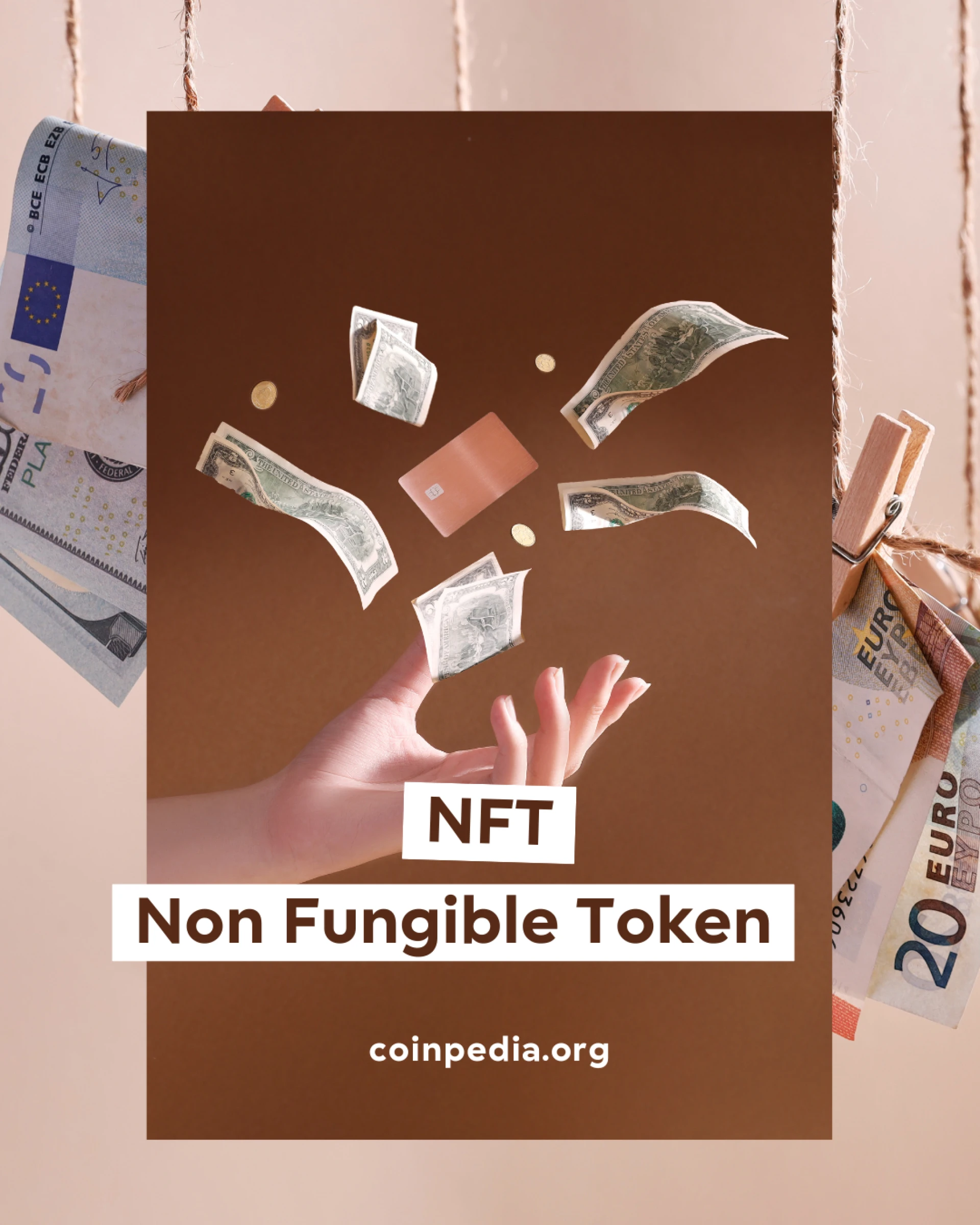
NFT stands for Non-Fungible Token. In simpler terms, it is a unique digital asset that represents ownership of a specific item or piece of content on the blockchain. Unlike cryptocurrencies like Bitcoin or Ethereum, which are interchangeable (fungible), NFTs are one-of-a-kind and cannot be exchanged on a one-to-one basis.
So, what is an NFT used for? NFTs are primarily used to buy, sell, and trade digital items such as artwork, music, videos, virtual real estate, collectibles, and even tweets. They function as proof of authenticity and ownership in a digital world where duplication is effortless.
How NFTs Are Revolutionizing Art
Traditionally, artists have struggled to monetize digital artwork due to easy replication and lack of provenance. NFTs solve this by attaching a verifiable certificate of authenticity and ownership via blockchain technology. This means that a digital artist can now sell their work as an NFT, giving the buyer exclusive rights—even if copies of the image are available elsewhere online.
This has led to a booming NFT art market, where digital paintings, 3D animations, and generative art have sold for millions of dollars. NFTs empower creators by giving them direct access to a global market and even enabling royalties on resales.
What Is NFT Market?
To grasp the scope of NFTs, it’s important to understand what is NFT market. The NFT market refers to the online platforms and ecosystems where NFTs are created, bought, sold, and traded. These include popular NFT marketplaces like OpenSea, Blur, Magic Eden, and Rarible, where users can browse thousands of digital assets.
The NFT market has grown exponentially, attracting not only artists but also musicians, athletes, game developers, and brands. Whether it’s a limited-edition sneaker release or a digital trading card, NFTs are reshaping how ownership and value are perceived in the digital age.
Real-World Use Cases Beyond Art
While NFTs gained fame in the art world, their applications go far beyond. Here are some emerging use cases:
- Gaming: In-game items and characters as NFTs allow players to truly own and trade digital assets.
- Music and Entertainment: Musicians can sell exclusive tracks or backstage passes as NFTs.
- Real Estate: Virtual land in metaverse platforms like Decentraland or The Sandbox can be bought and sold as NFTs.
- Identity and Credentials: Academic certificates, digital IDs, and more can be tokenized to prevent fraud.
The Future of NFTs
As blockchain technology continues to evolve, NFTs are expected to play a major role in digital identity, copyright protection, and decentralized finance (DeFi). Regulatory clarity and user-friendly platforms will likely drive mass adoption, making NFTs a standard part of the internet economy.
Final Thoughts
So, what is an NFT really? It’s more than just digital art—it’s a revolutionary tool redefining ownership in the internet era. As the world becomes increasingly digital, NFTs offer a way to prove value, authenticity, and uniqueness in a realm once thought to be impossible to truly own.
If you're curious about what is NFT market, you're not alone. It's an exciting space full of innovation, creativity, and opportunity—perfect for artists, collectors, investors, and technologists alike.