Enterprise Asset Management (EAM) has become a strategic requirement for organizations managing a growing mix of IT and physical assets. From laptops, servers, and network devices to facilities equipment and shared resources, enterprises today need accurate visibility, control, and accountability across the entire asset lifecycle. Without a centralized system, asset data often becomes fragmented, leading to compliance risks, higher costs, and operational inefficiencies.
Enterprise asset management focuses on tracking assets from procurement to deployment, maintenance, and eventual retirement. This lifecycle-based approach helps organizations understand where assets are used, how they perform, and whether they deliver expected value. For CIOs, IT heads, and facility managers, this visibility directly impacts budgeting, audits, security, and service continuity.
Understanding the Role of Enterprise Asset Management in IT and Facilities Operations
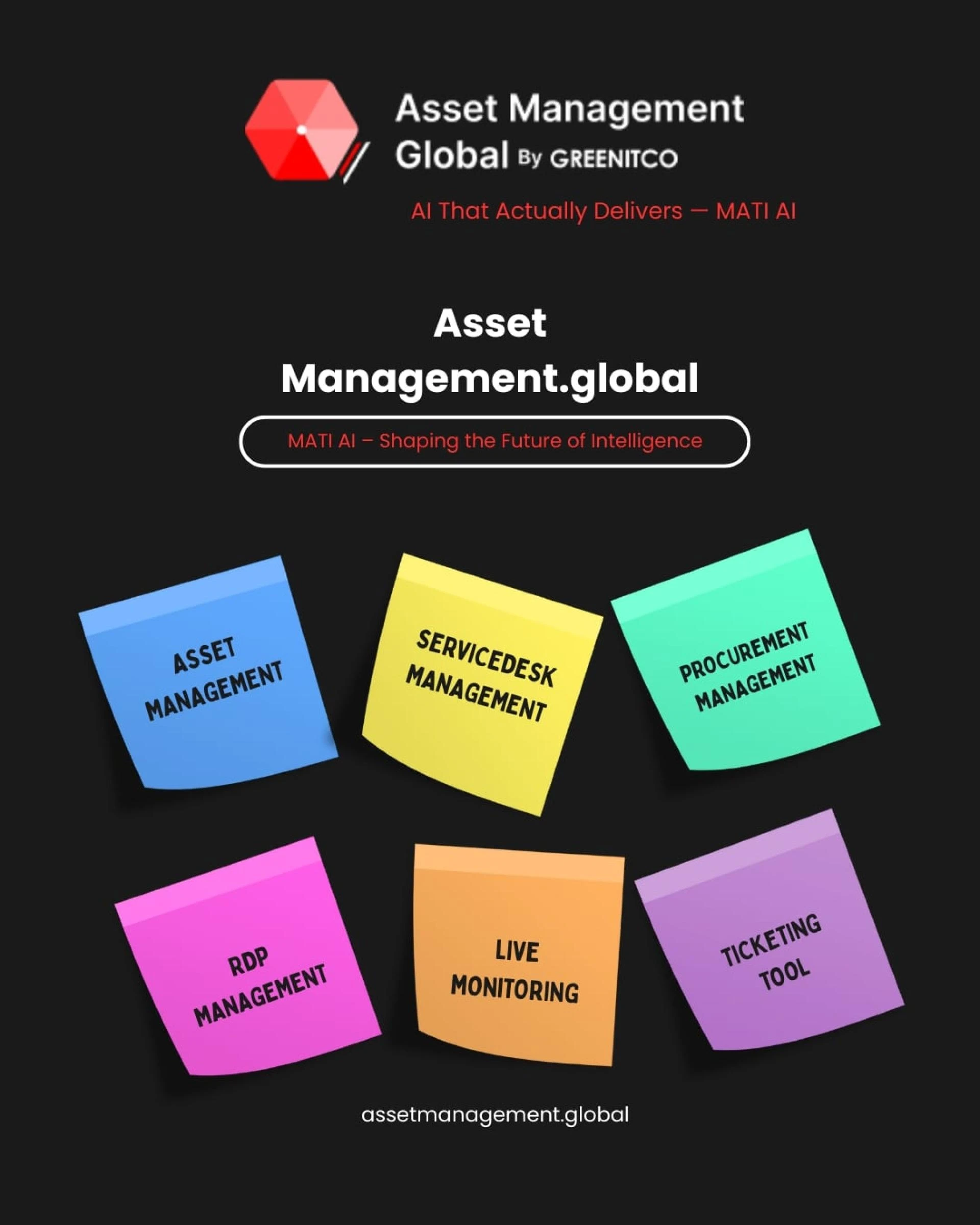
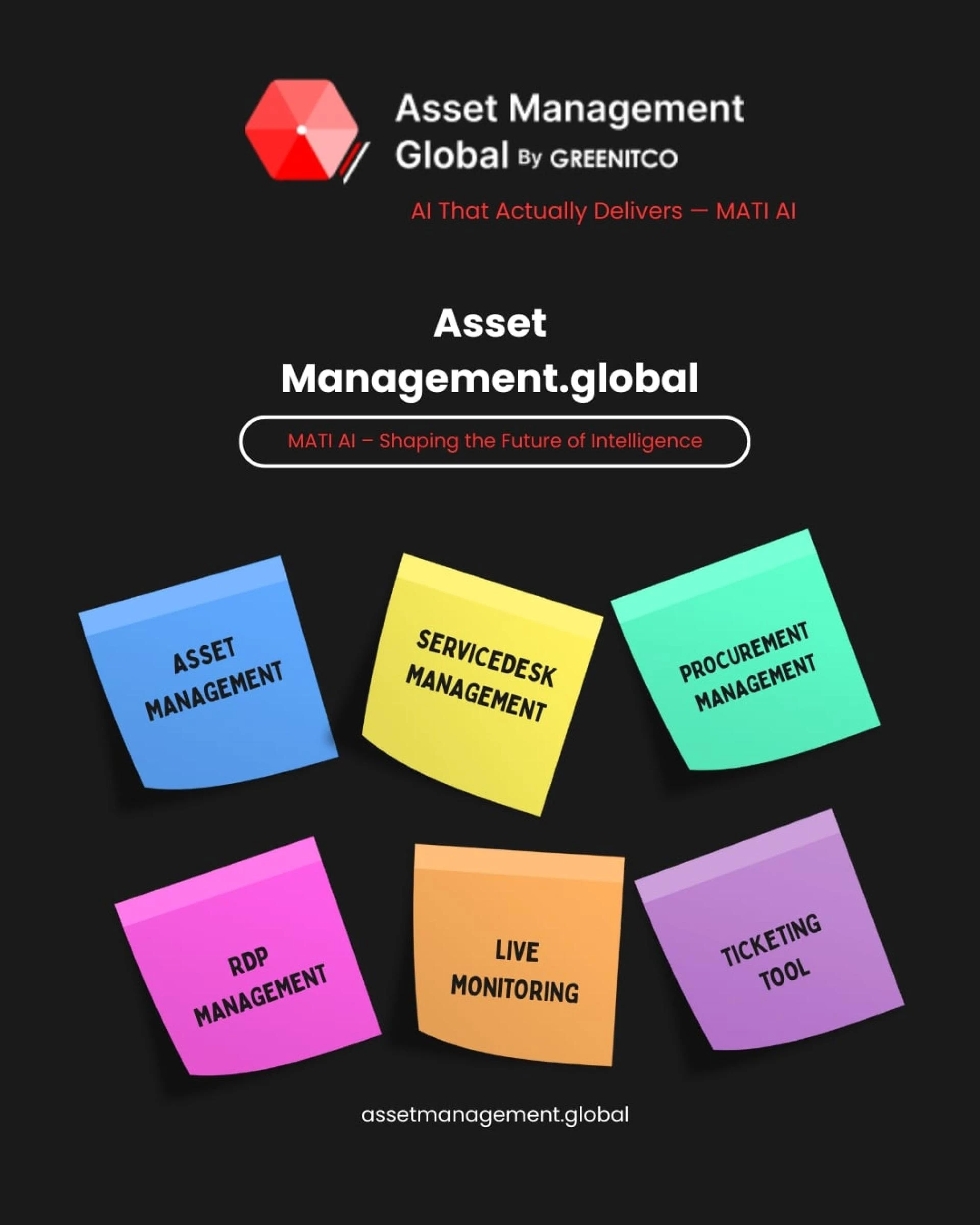
Asset Management Global (AMG) is designed to address these challenges through a unified platform that brings together IT asset tracking, physical asset management, and operational workflows. By maintaining a centralized asset repository, organizations can reduce manual effort, eliminate duplicate records, and improve data accuracy across departments. This foundation supports better decision-making and long-term asset optimization.
One of the key advantages of a modern enterprise asset management platform is automation. Manual asset tracking often fails in dynamic environments where assets move frequently or are accessed remotely. Automated asset discovery, RFID-based asset tracking, and real-time asset monitoring help organizations maintain up-to-date records without constant human intervention. This level of automation improves audit readiness and supports regulatory compliance.
Another critical component of asset lifecycle management is integration with service operations. When asset data connects directly with service desk and ticketing workflows, IT teams can respond faster to incidents and maintenance requests. Knowing an asset’s configuration, warranty status, and usage history enables more informed troubleshooting and reduces downtime. This alignment between assets and services also supports preventive maintenance strategies.
Procurement and inventory management play an equally important role. Organizations often overspend due to lack of visibility into existing assets or underutilized inventory. Centralized procurement tracking and inventory control help optimize purchasing decisions and reduce unnecessary expenses. Over time, this leads to measurable cost optimization and improved asset utilization.
How a Unified Platform Like Asset Management Global Supports Asset Lifecycle Management
Security and access control are also essential considerations, especially in distributed or hybrid environments. Secure RDP management and controlled visitor access help organizations protect critical systems and physical locations. Combined with patch management and live monitoring, these capabilities reduce vulnerabilities and strengthen overall asset security posture.
Scalability is another factor driving the adoption of enterprise asset management solutions. As organizations grow, asset complexity increases across locations and teams. A scalable asset management platform supports expansion without compromising visibility or governance. This ensures consistent processes and data standards across the enterprise.
In summary, enterprise asset management is no longer just about tracking assets—it is about enabling operational efficiency, compliance, and strategic planning. Platforms like Asset Management Global support this shift by combining asset monitoring software, IT asset tracking, and lifecycle management into a single, integrated system. For decision-makers, this translates into better control, reduced risk, and sustainable asset value over time.