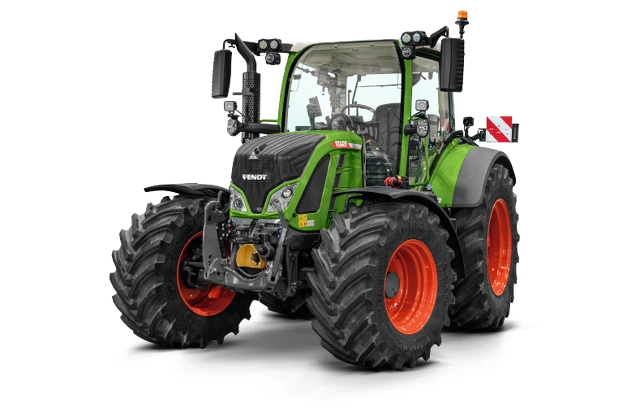
If you've spent any time around Australian farming circles lately, you've probably heard the name dropped more than once - the Fendt 500 Series. Farmers, contractors, and machinery dealers are talking about it, and for good reason. It's a tractor that genuinely earns the attention it gets. But what exactly makes it stand out from the crowded compact tractor market? Let's get into it.
A Tractor Built for Real Farm Work
The Fendt 500 Series isn't designed to look good on a spec sheet and underperform in the paddock. It's engineered for the kind of mixed workloads that Australian and international farmers actually deal with - from cultivation and baling to loader work and slashing.
At the heart of the range sits a responsive, fuel-efficient engine lineup. The Fendt 500 hp tractor configurations give operators serious grunt without the weight penalty you'd typically expect from higher-powered machines. That power-to-weight balance matters enormously when you're working lighter soils or managing compaction.
What the Engine Range Looks Like
The 500 Series spans a broad power band - roughly 124 hp up to around 163 hp depending on the variant - making it genuinely flexible across different farm sizes and operations. Whether you're running a 400-hectare mixed cropping property or a smaller intensive operation, there's a configuration that fits.
Farmers who've moved from older platforms consistently point to the same thing: torque availability at low RPM. The engine pulls clean at lower revs, which reduces fuel burn and keeps noise levels manageable over long days in the cab.
The Cab: Where You Spend Your Day
A tractor can have all the power in the world and still be a poor daily machine if the cab isn't right. Fendt has always taken the operator environment seriously, and the 500 Series is no different.
The cab is quiet - noticeably so. Road vibration and engine noise are well-isolated, which makes a real difference over an eight- or ten-hour day. Visibility from the seat is good in all directions, and controls fall naturally to hand without needing to hunt for them.
VarioGrip and Connectivity
The Fendt VarioDrive and the Vario transmission are two features that regularly come up in conversations with operators. The stepless transmission means you're not hunting for the right gear at the headland or when load demands shift suddenly - the tractor simply adjusts. Once you've worked with it, gear-based transmissions start to feel like a step backwards.
Why Farmers Are Choosing It Over the Competition
The compact tractor segment is competitive. There's no shortage of capable machines at this power level. So why does the Fendt 500 Series keep coming up as the preferred option for farmers who've done their research?
A few reasons consistently surface:
- Resale value holds well. Fendt machinery historically retains value better than most competitors in the Australian used market. That matters when you're calculating the true cost of ownership.
- Running costs are predictable. The service intervals are sensible, parts availability is solid, and the dealer network has grown considerably in recent years.
- It does more with less. The fuel efficiency figures are competitive with anything in the class, and operators report fewer unplanned stops compared to some rival machines.
- Weight distribution is well thought out. Front axle loading when running a loader or front linkage is managed better than many expect from a tractor in this size class.
How the Fendt 500 Series Handles Australian Conditions
Australian farming conditions aren't gentle. Summer heat, abrasive soils, and long distances between service centres all put machinery to the test. The 500 Series has proven capable across these conditions, and feedback from operators running it through harvest seasons and dry summers has been positive.
The cooling system handles heat load well, and the air filtration setup deals reliably with the dusty conditions common across grain and mixed farming regions. Dealers report fewer heat-related service calls compared to some competing platforms.
Loader Work and Implements
The front linkage and loader compatibility on the 500 Series is where many operators feel it genuinely earns its keep. The hydraulic flow rates are strong enough for demanding implements, and the front axle handles the additional weight without feeling unstable or requiring excessive ballasting at the rear.
For operators running bale handlers, front blades, or telehandler attachments, the 500 Series manages the work without the frame flex or hydraulic lag that limits some competitors.
B&B Machinery and the Fendt 500 Series
If you're seriously considering the Fendt 500 Series, talking to someone who knows the machine well makes a big difference. B&B Machinery stocks and supports the Fendt range, with experienced staff who can match the right specification to your operation rather than just move iron off the yard.
Whether you need help comparing power variants, understanding the financing options, or arranging a demonstration on your own property, the team at B&B Machinery can walk you through it properly.
Final Word
The Fendt 500 Series earns its reputation the old-fashioned way - by performing consistently in the field, keeping operators comfortable over long days, and holding its value when it's time to trade. It's not a tractor that needs a lot of marketing to sell itself. Farmers talk to other farmers, and the feedback on this machine has been consistently strong since it arrived.
If you're in the market for a compact tractor that genuinely handles mixed workloads without compromise, the 500 Series deserves a serious look. Contact B&B Machinery today to arrange a demonstration or discuss which variant suits your operation best.