Introduction
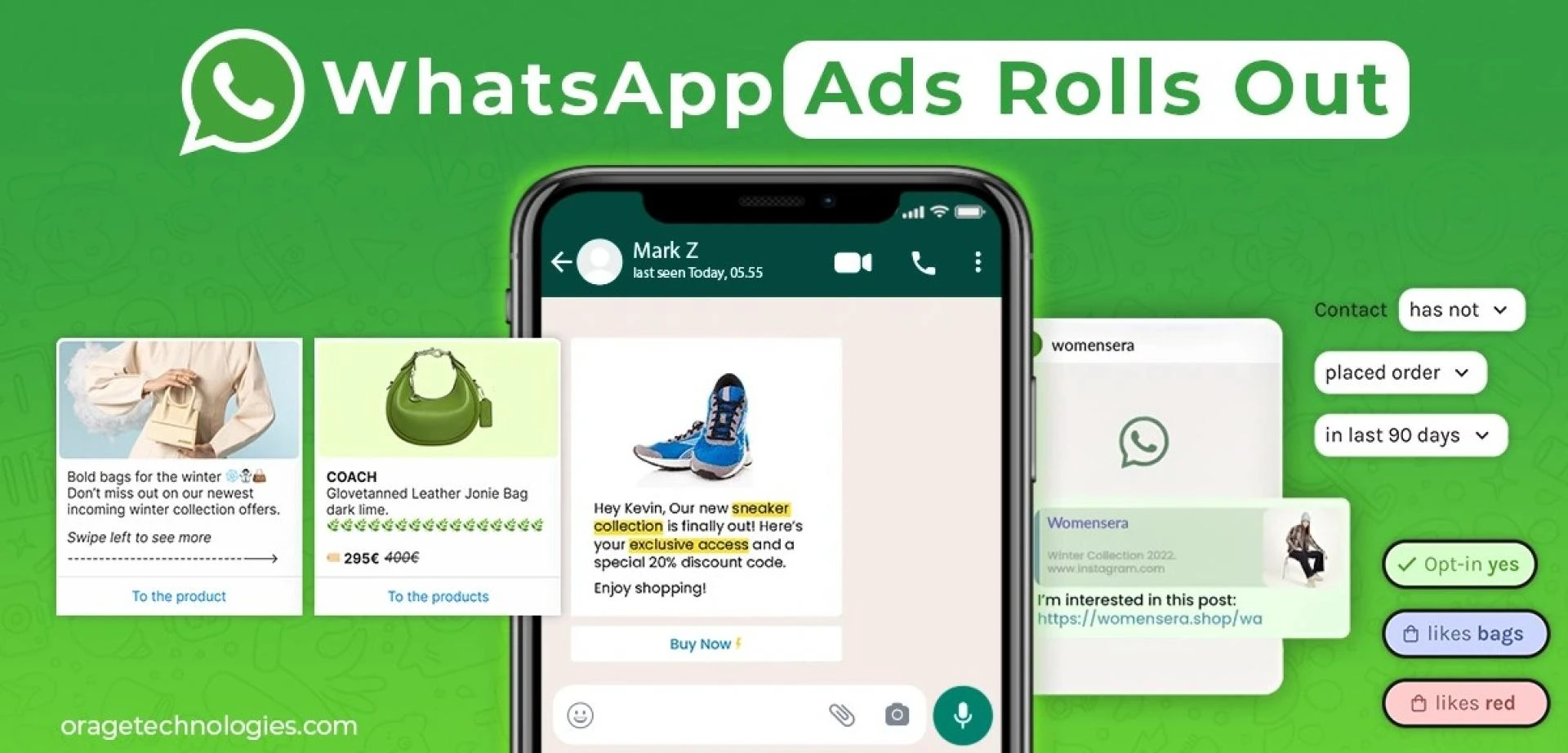
In a move that has stirred both excitement and concern among marketers and users, WhatsApp Ads are finally rolling out. Long regarded as a private, ad-free communication space, WhatsApp has officially stepped into the advertising ecosystem. While Meta (formerly Facebook) hinted at this transition for years, the rollout of WhatsApp Ads marks a pivotal moment in the platform’s evolution.
But what does this imply for businesses, marketers, and users? Is this the start of a new revenue stream for Meta, or a possible threat to user trust? This in-depth piece dissects all you need to know about WhatsApp Ads, ranging from the ad types being launched to privacy implications, targeting plans, and how businesses can benefit from this shift.
1. The Background: Why WhatsApp Ads and Why Now?
WhatsApp had an ad-free ethos for years. With a concentration on private, end-to-end encrypted communication in mind, the app rejected conventional monetisation strategies. But since being acquired by Meta in 2014, things have changed. Meta, which makes most of its money from advertising on Facebook and Instagram, has been looking for ways to monetise WhatsApp.
With more than 2.5 billion monthly active users worldwide, WhatsApp is a treasure trove of usage and possible outreach. The launch of WhatsApp Ads is a calculated move to leverage this huge user base with as little sacrifice on user experience and privacy as possible.
2. What Are WhatsApp Ads?
WhatsApp Ads are advertising messages or banners that companies can employ to speak to users via the WhatsApp medium. This, however, is very different from the advert formats used on Facebook or Instagram. WhatsApp is launching ads in a user-consented and context-aware manner.
Some main ad forms are:
- Click-to-WhatsApp Ads: These appear on Facebook or Instagram and invite people to start a WhatsApp chat with the company.
- Sponsored Updates in Status: Similar to Instagram Stories ads, companies will be able to place targeted ads within the WhatsApp Status feed.
- Business Message Campaigns: Advertising messages delivered to subscribers who have actively opted in to receive updates from companies.
Each of these formats falls in line with Meta's overall mission: to build a seamless, commerce-capable user experience while preserving WhatsApp's core privacy principles.
3. Where Will WhatsApp Ads Appear?
Meta has clarified that WhatsApp Ads will not interrupt chats or group messages. Instead, ads will appear in the following areas:
- Status Tab: Similar to Stories in Instagram, WhatsApp Status will display ads between updates from your contacts.
- Business Chats (Optional): Ads might appear as messages within a chat with a verified business, only if the user has agreed to receive them.
- External Platforms: Click-to-WhatsApp ads can be served on Facebook and Instagram, inviting people to start a conversation on WhatsApp.
The non-intrusive placement methodology ensures the user-focused design of the app remains intact while providing businesses with new ways to connect with customers.
4. Privacy and Encryption: Are WhatsApp Ads Secure?
One of the largest issues with WhatsApp Ads is privacy. WhatsApp prides itself on its end-to-end encryption, a system that guarantees users their messages are unread by even Meta.
Meta ensures that such encryption is never touched. Advertisements are not conducted on the basis of message content but metadata, including phone number activity, interactions with business profiles, user preference, and engagement history. Ads displayed in the Status tab or Click-to-WhatsApp formats are not personalised through chat content but are rather constructed on the basis of external activity.
The organisation also prioritises user control. Users are able to opt out of the promotional messages sent by particular companies and control ad personalisation via settings.
5. How Businesses Can Leverage WhatsApp Ads Successfully
For businesses and marketers, WhatsApp Ads offer a special opportunity. The engagement rates on the platform are high and provide straightforward communication channels with leads. Here's how to leverage them successfully:
- Lead Generation: Leverage Click-to-WhatsApp ads to push high-intent leads into one-on-one conversations.
- Customer Support: Offer 24/7 chat support to boost customer satisfaction.
- Promotional Campaigns: Disseminate coupon codes, new product announcements, and news through business messages.
- Retargeting: Re-engage past customers or those who interacted but didn't convert.
Companies should find a balance between promotional and value-added content. Spamming users can soon result in opt-outs or reported conversations.
6. Benefits of WhatsApp Ads
- High Engagement: 98% of WhatsApp messages are opened, more than emails or SMS.
- Personalisation e-commerce: Chat-based advertising enables real-time personalisation and more meaningful customer connections.
- Global Reach: With over a billion users, WhatsApp Ads can be leveraged to enter markets where other social media is less strong.
- Cost-Effective: At present, the cost per engagement is lower than other ad platforms, providing superior ROI.
7. Challenges and Criticism
Notwithstanding its benefits, WhatsApp Ads are not trouble-free:
- Privacy Issues: Users might fear that Meta is taking advantage of their chat usage.
- Ad Fatigue: Unwanted ads in the Status feed can result in lowered user satisfaction.
- Business Readiness: Not every small business is equipped to handle real-time chat marketing.
Meta will have to walk the tightrope so that ad delivery does not tamper with the trust that users place in WhatsApp's sanctity.
8. The Future of WhatsApp Ads
The future for WhatsApp Ads is integration with eCommerce seamlessly. Look for more features such as:
- In-App Checkout: Facilitating users to buy directly from a WhatsApp conversation.
- AI-Powered Chatbots: Boosting customer interactions at scale.
- Deeper Meta Integration: Single ad management across Meta platforms.
As Meta continues to optimize WhatsApp for businesses, WhatsApp Ads are set to become a pillar of its commerce offerings.
Conclusion
The arrival of WhatsApp Ads represents a new age of online marketing. Though the platform retains its focus on privacy and user control, the addition of business-oriented content is a move toward profitability. For advertisers, the ability to target users in this direct and intimate manner is an opportunity like never before.
As with all new ad platforms, the early movers will be the ones that reap the most rewards. By learning how WhatsApp Ads work and embracing the user-first philosophy of the platform, companies can produce high-impact campaigns that foster engagement, trust, and conversion.