

That high-pitched squeal you hear on a cold morning or the faint cracking you notice under the hood might seem like minor annoyances, but they could be your alternator belt crying for help. Also known as the serpentine belt in most modern cars, this simple rubber loop powers your when to change alternator belt, power steering pump, water pump, and air conditioning compressor. When it fails, your battery stops charging, your steering wheel becomes brutally heavy, and your engine can overheat within minutes. Knowing when to change this belt isn’t just about preventing breakdowns—it directly affects how smoothly your engine runs, how efficiently it performs, and how much money you spend on preventable repairs down the road.
Understanding What Your Alternator Belt Actually Does
Before you can recognize when something is wrong, it helps to understand the job this belt performs every second your engine is running. The alternator belt connects your engine’s crankshaft pulley to several other components, essentially distributing rotational energy throughout the accessory system. Your alternator needs that spin to generate electricity and keep your battery charged. Your power steering pump relies on it to provide hydraulic assistance when you turn the wheel. Your water pump depends on it to circulate coolant and prevent overheating. In short, this single belt is the unsung hero of your engine bay. When it slips, cracks, or snaps, every one of those systems suffers immediately.
The Telltale Signs Your Belt Is Nearing Failure
Your alternator belt gives plenty of warnings before it finally breaks, provided you know what to look for. The most obvious sign is a high-pitched squealing noise when you start the car, accelerate, or turn on the air conditioner. That sound happens when the belt loses tension and slips across the pulleys instead of gripping them properly. Visually inspect the belt every few months by looking for cracks across the ribbed side, frayed edges, glazed or shiny spots, and chunks of missing rubber. Another subtle clue is dimming headlights at idle or intermittent battery warning lights on your dashboard. If your power steering feels stiff at low speeds, don’t automatically blame the steering rack—check the belt first.
Following the Manufacturer’s Recommended Timeline
Many car owners ignore replacement intervals because the belt still looks fine, but rubber degrades from the inside out long before visible cracks appear. Most automakers recommend changing the serpentine belt every sixty thousand to ninety thousand miles, though some high-performance or older vehicles may need it sooner. Check your owner’s manual for the specific interval for your make and model. Even if you drive a vehicle that sits unused for long periods, time itself damages rubber through dry rot and ozone exposure. A ten-year-old belt with only thirty thousand miles is just as risky as a worn one. Mark your calendar when you last changed it, and treat that replacement date as non-negotiable, not just a suggestion.
The Connection Between Belt Condition and Engine Performance
A worn alternator belt doesn’t just threaten to leave you stranded—it actively degrades your engine’s daily performance in ways you might not connect to the belt at all. When the belt slips even slightly, your alternator produces inconsistent voltage, which affects the engine computer’s ability to manage fuel injection and ignition timing. That can translate into rough idling, sluggish acceleration, and lower fuel economy. A loose belt also forces your power steering pump to work harder, creating extra drag on the engine and wasting horsepower. Replacing a tired belt restores proper tension, allowing each accessory to spin at the correct speed without resistance. Drivers often describe the difference as feeling like they got a minor tune-up after changing a worn belt.
What Happens During a Professional Replacement
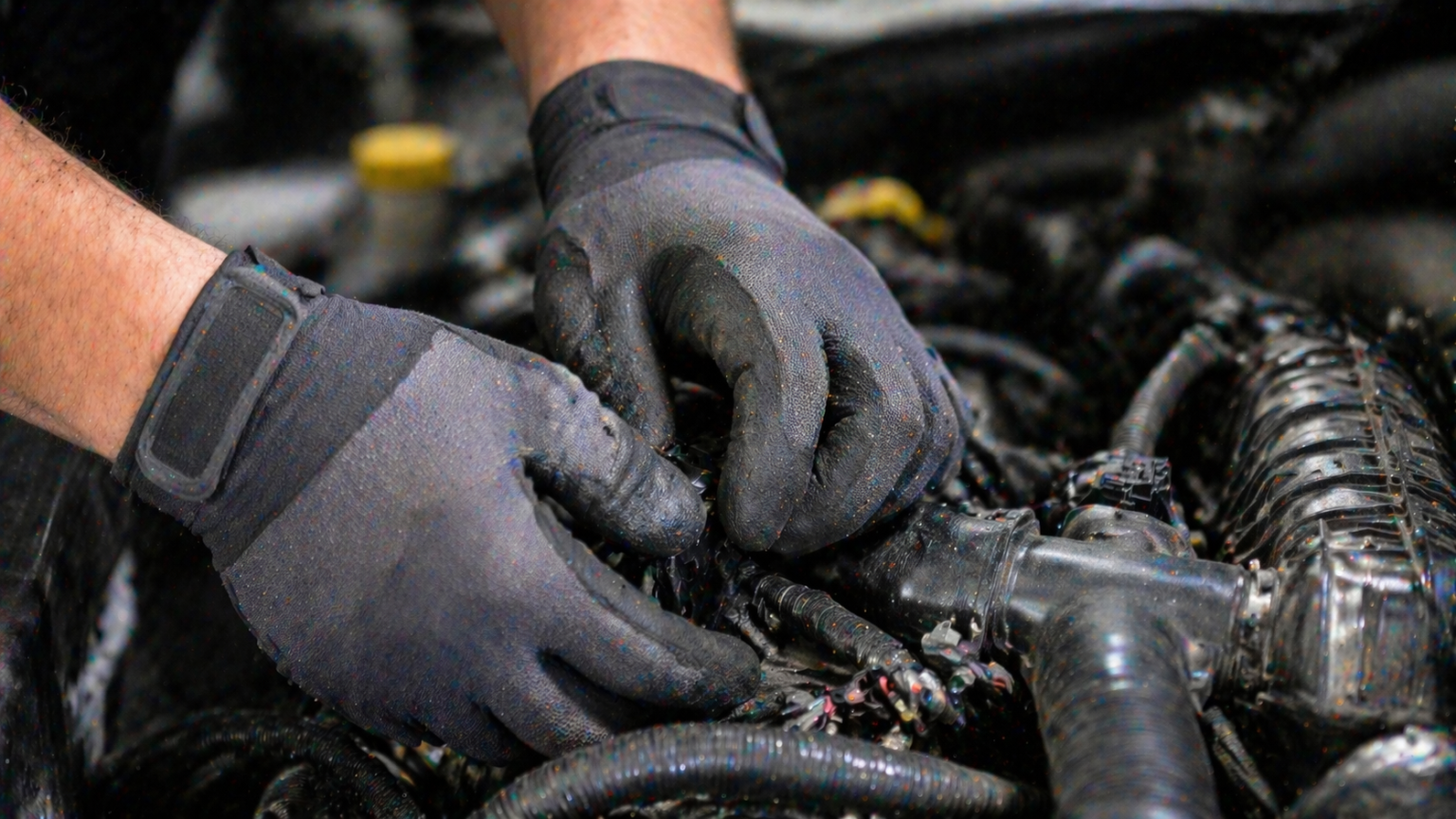
If you’re considering handling this job yourself versus visiting a mechanic, understand what a proper replacement entails. A professional will first inspect not just the belt but every pulley it touches, including the tensioner and idler pulleys. Worn bearings in those pulleys can destroy a brand new belt within weeks. The mechanic uses a specialized tool to release tension on the spring-loaded tensioner, slips the old belt off, routes the new belt exactly according to the diagram under your hood, and then rechecks tension with a gauge. Many shops also test the alternator’s output at the same time to ensure the charging system is healthy. Expect to pay between one hundred and two hundred dollars for parts and labor on most standard vehicles.
The Risks of Waiting Too Long to Replace
Driving with a failing alternator belt is the mechanical equivalent of playing Russian roulette with your daily commute. When the belt snaps completely, you lose power steering instantly, making the car extremely difficult to steer at low speeds. Your alternator stops charging the battery, so every electrical component runs on stored power alone. In most cars, you’ll have about fifteen to thirty minutes of driving before the battery dies and the engine stalls completely. If your water pump shares that belt—and in most vehicles, it does—your engine also loses coolant circulation, leading to rapid overheating and potential head gasket failure. A tow truck, a new belt, and possibly an engine rebuild cost far more than a simple belt replacement performed on your own schedule.