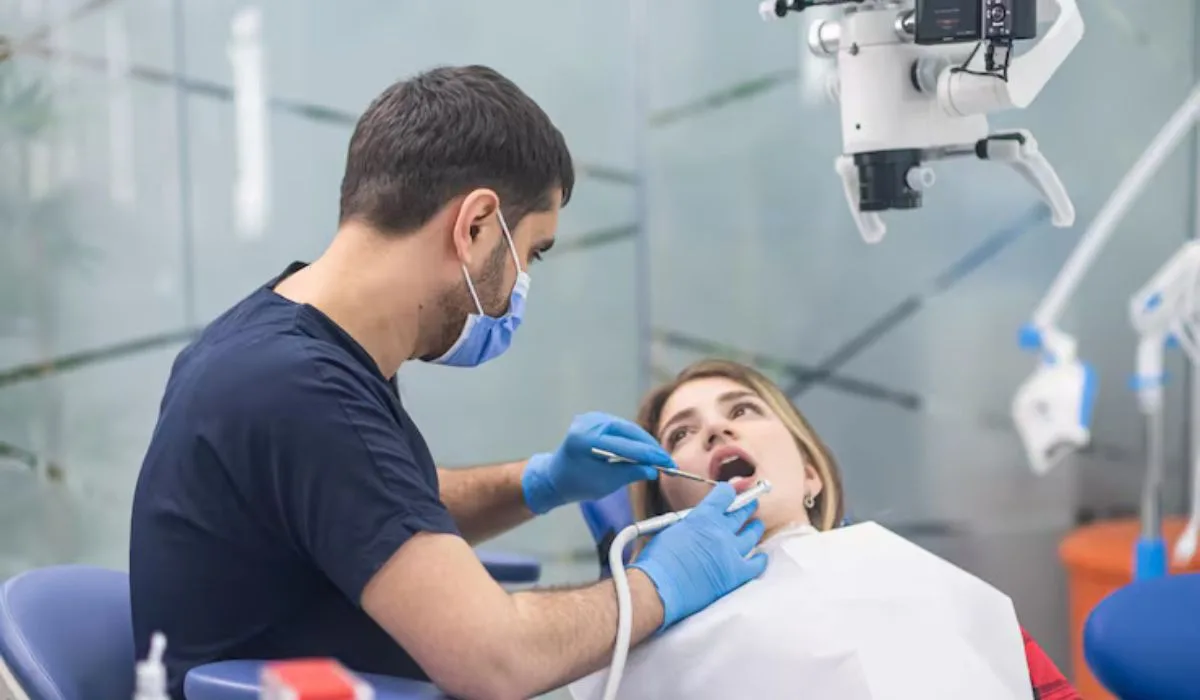
Dental anxiety is not a small thing. It's not just being a little nervous before an appointment. For a lot of people it's a genuine barrier — one that keeps them from getting care they know they need, sometimes for years. So when pain free dental treatment started becoming a real, accessible option rather than a vague promise, something changed. People who had avoided the dentist for a decade started making appointments. Patients who used to white-knuckle through every procedure started showing up without the same dread. The question isn't really why patients are choosing it. The better question is why it took this long to become standard.
Fear Was Always the Real Problem
Let's back up a little. Dental fear isn't irrational. It usually comes from somewhere — a painful procedure as a kid, an injection that didn't numb properly, a dentist who didn't listen when someone said they could still feel things. Those experiences stick. They wire people to associate the dental chair with pain and loss of control, and that association doesn't just go away because someone tells you to relax.
The result of that fear is avoidance. And avoidance in dentistry is expensive, in every sense. Small cavities become big ones. Gum disease progresses quietly. Infections develop. By the time someone finally comes in after years away, the treatment needed is more extensive, more involved, and ironically, harder to get through comfortably. Fear creates the very situation it was trying to avoid. Pain free dental care tries to break that cycle at the beginning instead of after things have gone sideways.
What Pain Free Dental Treatment Actually Involves
This is worth explaining properly because "pain free" can sound like marketing language. It's not one single thing. It's a combination of techniques, technologies, and approaches that together make the experience genuinely different from what many people grew up with.
Better anesthesia delivery is part of it. Computer-controlled injection systems — sometimes called The Wand or similar devices — deliver local anesthetic slowly and at a controlled rate, which is what makes injections feel sharp and uncomfortable in the first place. When the flow is controlled precisely, patients often barely register that an injection is happening. Topical anesthetics applied before any injection numb the surface tissue first. These aren't new concepts, but the technology has genuinely improved.
Sedation dentistry is another piece. Nitrous oxide — laughing gas — has been around forever but is used more deliberately now as a comfort tool, not just for big procedures. Oral sedation, where a patient takes medication before the appointment, creates a deeply relaxed state that makes the whole experience feel much less intense. IV sedation and general anesthesia are available for more complex cases or severe anxiety. The point is that there are options now, real options, calibrated to how much support a patient actually needs.
Technology That Changed the Game
Beyond sedation and anesthesia, dental technology itself has made procedures faster and less invasive — and shorter, less invasive procedures are inherently more comfortable. Laser dentistry has changed how some soft tissue work and cavity treatment is done, often without the drill and sometimes without any injection at all. Digital impressions replaced the goopy trays that triggered gag reflexes. Same-day crowns using CAD/CAM technology mean fewer appointments and less time with temporaries that were always a little uncomfortable anyway.
Air abrasion removes small areas of decay using a fine stream of particles rather than a drill. It's quieter, there's no vibration, and for small cavities it often doesn't require anesthetic at all. None of these technologies are magic but together they reduce the parts of dental treatment that people found most distressing — the sounds, the sensations, the time, the unpredictability.
The Communication Piece Matters More Than People Realize
Here's something that doesn't get talked about enough when people discuss pain free dental care. A lot of dental discomfort — not just anxiety, but actual physical discomfort — comes from not knowing what's coming. When a patient feels something unexpected, the natural response is to tense up, which makes everything worse. When a dentist explains each step before doing it, establishes a signal the patient can use to pause the procedure, and actually stops when asked — the whole experience changes.
This sounds basic. It is basic. But it's not universally practiced, and patients who've found dentists who actually do this consistently report that their anxiety decreased significantly even before any technology or sedation was involved. Feeling in control matters. It's not a soft, intangible thing. It directly affects how the body responds to treatment.
Why Avoidance Is Always the Worse Option
It needs to be said directly. Choosing to avoid dental care because of fear or past bad experiences is understandable — but it reliably makes things worse. The conditions that could have been handled simply become complicated. A tooth that needs a filling needs a crown. A crown that was avoided needs a root canal. An infection that was ignored spreads. The treatment that eventually becomes necessary is longer, more involved, and more expensive than whatever was being avoided in the first place.
Pain free dental approaches exist specifically to lower the barrier that fear creates. They work. People who thought they could never sit through a procedure have gotten through full treatment plans using sedation and modern techniques. The gap between "I can't do this" and "I got through it fine" is often just finding the right approach and the right practice.
What to Look for When Choosing a Dentist for Anxiety
Not every dental office is equally equipped or equally focused on patient comfort. When someone with dental anxiety or a history of difficult experiences is looking for care, a few things are worth paying attention to. Does the practice specifically mention sedation options? Do they talk about patient comfort as part of how they work, not just as a feature? Is there a consultation option to meet the dentist and talk through concerns before any treatment happens?
Finding the best dentist in Simi Valley for anxiety-driven patients means looking beyond the services listed and paying attention to how the office communicates. A dentist who listens, explains, and adjusts based on patient feedback is doing pain free dentistry even before any technology enters the picture. The attitude and approach come first. The tools support it.
The Bigger Picture — Why This Trend Keeps Growing
Pain free dental treatment isn't growing because dentists suddenly started caring about comfort. It's growing because patients started demanding it, and because the tools to deliver it have genuinely improved. Word spreads when people have good experiences. Someone who dreaded dental visits for twenty years and gets through an appointment comfortably tells people. That kind of firsthand experience does more than any marketing ever could.
The result is a shift in what people expect from dental care. Discomfort is no longer just accepted as the price of treatment. Patients know enough now to ask about sedation options, to look for practices with modern technology, to find a best dentist in Simi Valley who takes anxiety seriously rather than dismissing it. That expectation shift is healthy. It keeps dentistry accessible to the people who need it most — which, when it comes down to it, is everyone.