
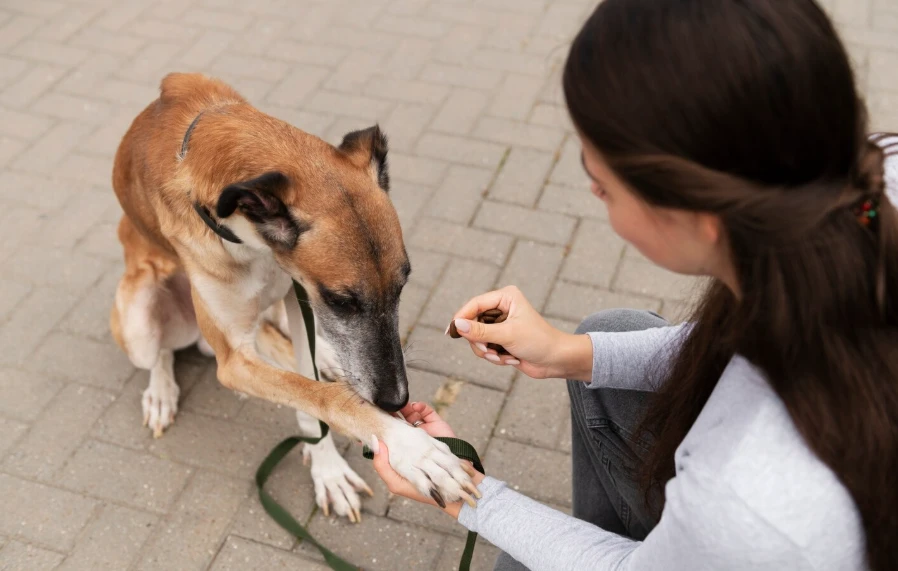
Bringing a rescue dog or a newly adopted pet home is exciting, but it can also be challenging. Canine behavior training helps your dog feel safe, learn how to behave, and adjust to their new home. Rescue dogs may have lived in shelters or had difficult experiences, so they need guidance and patience to feel secure. Professional training helps dogs understand what’s expected of them and teaches owners how to communicate clearly. Without it, even gentle dogs may feel stressed or confused in a new home. Training is more than teaching commands; it is about helping dogs feel confident, secure, and happy. This is especially important for rescue dogs or pets with unknown past experiences.
Understanding Each Dog’s Needs
Every rescue dog is different. Trainers look at each dog’s habits, likes, and fears to create the best plan.
Some dogs may be shy or nervous, while others may have trouble meeting new people or pets. Trainers watch how dogs behave, listen to their body signals, and then plan activities to help them feel safe and happy.
Evaluation includes looking at how the dog reacts to noises, new spaces, and strangers. Trainers also note how dogs play, eat, and rest. This helps them make a plan that works for the dog’s personality and past experiences.
Customized training ensures each dog gets the attention and methods it needs to thrive.
Building Trust and Confidence
Rescue dogs often need time to trust their new home and family. Training helps dogs feel calm and confident.
Simple activities like following commands, gentle walks, and playtime show dogs what to expect. Small wins, like learning to sit or come when called, build confidence and make dogs feel proud of themselves.
Having a routine helps dogs feel secure. Feeding, walks, and play at the same times every day create a sense of order that dogs understand easily.
Trainers often use calm voices and gentle touch to reinforce positive behavior. Dogs respond best when they feel safe and know what is coming next. Confidence also comes from praise, small treats, or a favorite toy when dogs do well.
Teaching Important Skills
Training teaches dogs skills they need for daily life. Commands like sit, stay, come, and walking nicely on a leash keep dogs safe and help them understand their owners.
For rescue dogs, learning these skills is very important. It helps them feel safe, reduces stress, and makes life easier for owners. Trainers use positive methods, giving treats or praise when dogs do something right.
Trainers may also use games and activities that challenge dogs’ minds. These make learning fun and keep dogs engaged while they practice new skills.
Examples of mental exercises include hiding treats for dogs to find, using puzzle toys, or teaching dogs simple tricks. These activities build problem-solving skills, reduce boredom, and strengthen the bond between dog and owner.
Helping Dogs Feel Less Stressed
Many rescue dogs feel nervous in a new home. Training teaches them how to feel calm and safe.
Trainers set up routines with quiet time, walks, play, and rest. Dogs learn that life at home is predictable and safe. Gradual socialization, meeting new people or pets slowly, helps dogs feel comfortable without getting scared.
Calm environments help dogs adjust. Playing soft music, providing a cozy bed, and giving dogs a safe corner to rest can make a big difference. Dogs learn that the world is not scary and that they can explore safely.
Learning How to Get Along with Others
Social skills are important. Trainers introduce dogs to other dogs and people slowly to make sure they feel safe.
Controlled play and supervised meetings teach dogs how to behave around others. Dogs learn how to play nicely and enjoy spending time with people and other pets.
Socialization is also done in small steps. For example, a shy dog may first meet one calm dog, then gradually meet more dogs in different spaces. Trainers guide owners on how to reinforce good interactions at home.
Teaching Owners How to Help
Good training also teaches owners what to do. Owners learn how to give clear commands, read their dog’s body signals, and reward good behavior.
This helps prevent mistakes, makes the bond stronger, and ensures that training continues at home. Owners may also get tips for feeding, exercise, and fun mental games to do with their dogs.
Professional trainers also guide owners on how to handle common challenges, like separation anxiety, leash pulling, or fear of new spaces. Simple techniques, like using a calm voice and rewarding progress, are shown step by step.
Step-By-Step Daily Routine
A daily routine helps rescue dogs feel safe and confident. Here’s an example of a simple day:
Morning: Short walk, feeding, gentle playtime.
Midday: Rest, chew toys or puzzle games, quiet time.
Afternoon: Socialization or light training, exploring the backyard or home.
Evening: Longer walk, praise for good behavior, relaxed family time.
Consistent routines give dogs confidence. They know what to expect and can focus on learning new skills without stress.
Mental Stimulation and Fun Activities
Training is not just commands. Dogs need mental exercises to stay happy.
- Hide treats around the house and let dogs find them
- Teach dogs new tricks like “paw” or “spin”
- Use puzzle toys that challenge problem-solving skills
- Rotate toys to keep dogs interested
These activities keep dogs engaged, improve focus, and strengthen the bond with their owners. A dog that uses its mind stays calmer and learns faster.
Benefits of Consistent Training
Consistent training helps dogs feel safe and confident. They adapt faster to their home, respond better to commands, and enjoy social interactions more.
Owners also benefit. They feel less stressed, understand their dogs better, and can handle daily life with fewer problems.
Trained dogs are easier to care for, happier, and more comfortable in a variety of situations, from visits to the vet to family outings.
Long-Term Benefits for Dogs and Families
The results of proper training last a lifetime. Rescue dogs become more confident, calm, and responsive. Owners enjoy stronger bonds and smoother routines.
Dogs that understand expectations and feel secure continue good behavior as they grow. Families enjoy less stress and more fun with their pets, knowing their dog is happy, safe, and well-behaved.
In The End:
For rescue and newly adopted dogs, canine behavior training is essential to help them adjust, feel safe, and learn important skills. Positive and gentle guidance builds trust, confidence, and strong connections.
Choosing a professional ensures that training is done correctly and kindly. A natural dog training approach helps dogs learn without stress and creates lasting results. Take the first step today to give your new pet the support and care they deserve for a happy, confident life.