
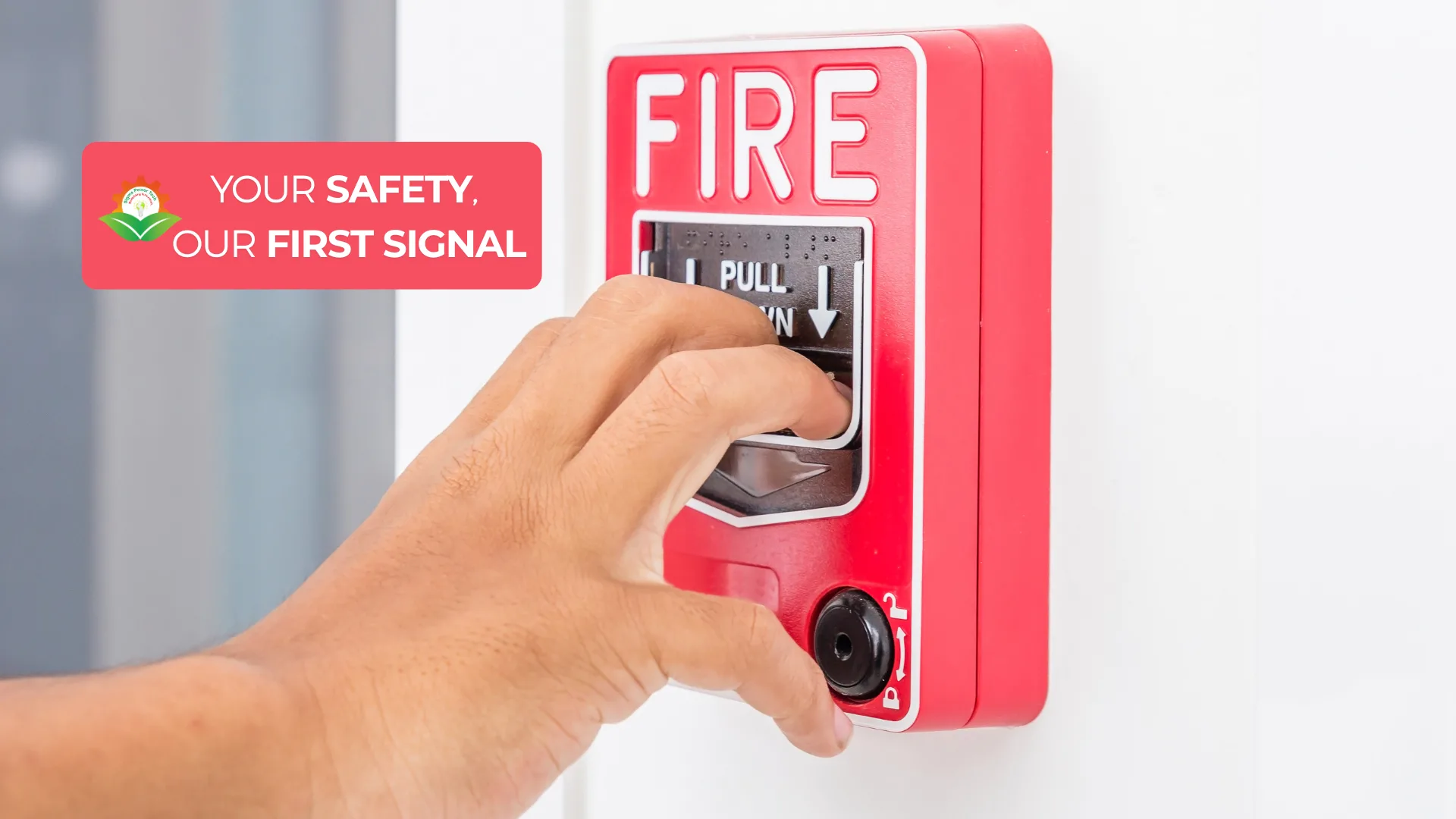
A 12-story commercial tower in Ghaziabad shut down its entire ground-floor retail section for three hours because a single beeping fire alarm system triggered a false evacuation. The cause? A depleted battery in one detector. No fire. No real threat. Just a maintenance gap that cost time, money, and trust.
When your fire alarm system beeps or flashes, it’s not noise—it’s a diagnostic signal. Ignoring it risks false alarms, code violations, and worse: a real fire where the system fails to notify.
Why Beeping and Flashing Matter Operationally
A beeping fire alarm system isn’t just annoying. It signals a fault that can:
- Trigger false evacuations, disrupting operations
- Violate NBC 2016 (Part 9) and NFPA 72 compliance requirements
- Void insurance coverage if maintenance logs show neglected alerts
- Mask a real emergency if the system is in “fault” mode
Facility managers and MEP consultants treat these alerts as early warnings of fire alarm system equipment nearing failure.
What Causes Beeping or Flashing Alerts
Most beeps and flashes come from five root causes:
CauseTypical SignalComponent AffectedLow batteryIntermittent beep (every 30–60 sec)Battery fire alarm systems, detector internal batteryEnd-of-life detectorContinuous flash + beep光电/ionization detector (typically 7–10 year lifespan)Panel faultFlashing “FAULT” LED + steady beepFire alarm system panelWiring issueErratic beep, no clear patternLoop wiring, conventional cableBattery backup failureBeep on power loss, no restoreBattery backup for fire alarm systemBattery fire alarm systems are the most common culprit. Internal batteries in detectors last 3–5 years; battery backup for fire alarm system panels should hold 24 hours standby per NFPA 72 Section 10.6.7.2.
If your house fire alarm system or home fire alarm system beeps at 2 AM, check the battery first. For commercial fire alarm systems, inspect the panel fault log.
Early Warning Signs Before Full Failure
Don’t wait for the beep to become constant. Watch for:
- Beeping that starts every 90 seconds, then shortens to 30
- Flashing that changes from green to amber
- Panel showing “BATTERY LOW” before the beep starts
- Detectors that test weak during monthly functional tests
These are signs your fire alarm systems are entering end-of-life.
Maintenance Practices That Prevent Alerts
Proactive maintenance cuts alert rates by 70%+:
- Monthly: Test all detectors; log battery voltage
- Quarterly: Inspect fire alarm system panel fault logs
- Annually: Replace detector batteries; verify battery backup for fire alarm system holds 24 hours
- Every 5 years: Replace ionization detectors; every 7–10 years, replace all detectors
For wireless fire alarm system setups, check signal strength and battery levels via the fire alarm system remote monitoring dashboard. Systems with fire alarm system remote monitoring alert you before the beep starts.
When Replacement Beats Repair
Repair a single detector? Yes. Replace the whole zone? When:
- More than 3 detectors in a zone beep within 6 months
- Panel shows “LOOP FAULT” repeatedly
- Detectors are >10 years old (manufacturer shelf life)
- Fire alarm system companies recommend zone-wide swap during commissioning
At this point, repair costs exceed lifecycle value.
Proactive Lifecycle Planning Looks Like This
A facility manager in Pune doesn’t wait for beeps. They:
- Track detector age in a spreadsheet
- Replace batteries at 4 years, not 5
- Use fire alarm system remote monitoring to catch low batteries early
- Schedule zone replacements every 7 years
This is how fire alarm system companies prevent emergencies.
If you’re seeing repeated beeps or flashes across zones, don’t just reset the panel. You need certified fire alarm setup that addresses root causes. For professional assessment and fire alarm system installation that meets NBC/NFPA, contact a trusted fire alarm system supplier like Sigma Power Tech for professional fire detection services.
A flashing fire alarm system panel isn’t a nuisance. It’s a diagnostic. Fix the root cause, or the beep will return.