Getting a car on lease in India is still underused as a vehicle access strategy, yet the economics are increasingly compelling for both individuals and businesses. The upfront cost barrier, the depreciation risk, and the maintenance complexity that come with outright car ownership are all removed when you lease. Understanding where the real financial advantage lies helps you decide whether leasing is the right choice for your situation.
The Core Problem
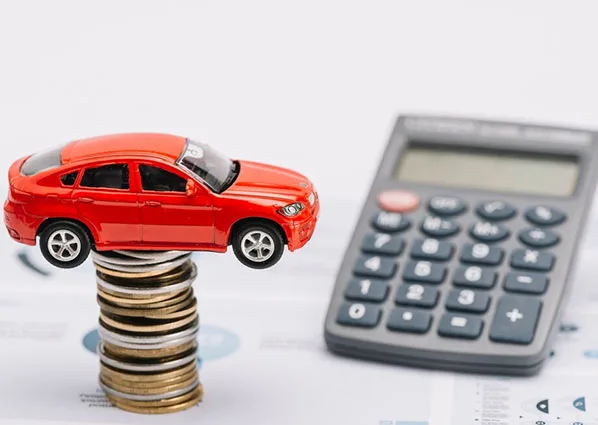
The core problem with car ownership in India is that a new car depreciates by 15 to 20 percent in its first year and loses 50 percent of its value within five years. The person who buys a car absorbs this depreciation loss entirely. Someone who gets a car on lease in India does not own the vehicle and therefore does not bear the depreciation risk. The monthly lease payment is effectively the cost of using a vehicle at its current market value without the burden of owning a depreciating asset.
The Solution
According to SIAM India Automobile Industry Vehicle Ownership Report 2023, the total cost of ownership for a mid-segment sedan over five years, including purchase price, registration, insurance, maintenance, and resale loss, is typically 40 to 60 percent higher than the cumulative cost of leasing an equivalent vehicle over the same period when resale value depreciation is factored in. Car on lease arrangements in India are structured to bundle insurance, maintenance, and roadside assistance into a single monthly payment, eliminating the administrative burden of managing these separately.
For corporate users, the tax advantage adds another dimension: lease payments on company-used vehicles are treated as business expenses for GST input credit purposes, whereas vehicle purchase creates a depreciating asset on the balance sheet that is harder to write off optimally. A business that gets a car on lease in India can expense the full lease payment in the period it occurs.
The Action Steps
- Calculate your true cost of ownership: before deciding, compare the five-year total cost of purchase (EMI interest, insurance, maintenance, registration, and projected resale loss) against the cumulative cost of leasing. The resale loss from depreciation is the number most buyers underestimate.
- Understand what is bundled in the lease: comprehensive vehicle leases in India typically include insurance, scheduled maintenance, roadside assistance, and registration. Confirm which of these are included in the quoted monthly payment before comparing to ownership costs.
- Assess your usage pattern: leases are most cost-effective for users who drive within a defined annual mileage range (typically 15,000 to 25,000 km per year). If your usage significantly exceeds this, factor in the per-kilometre excess charge before finalizing.