
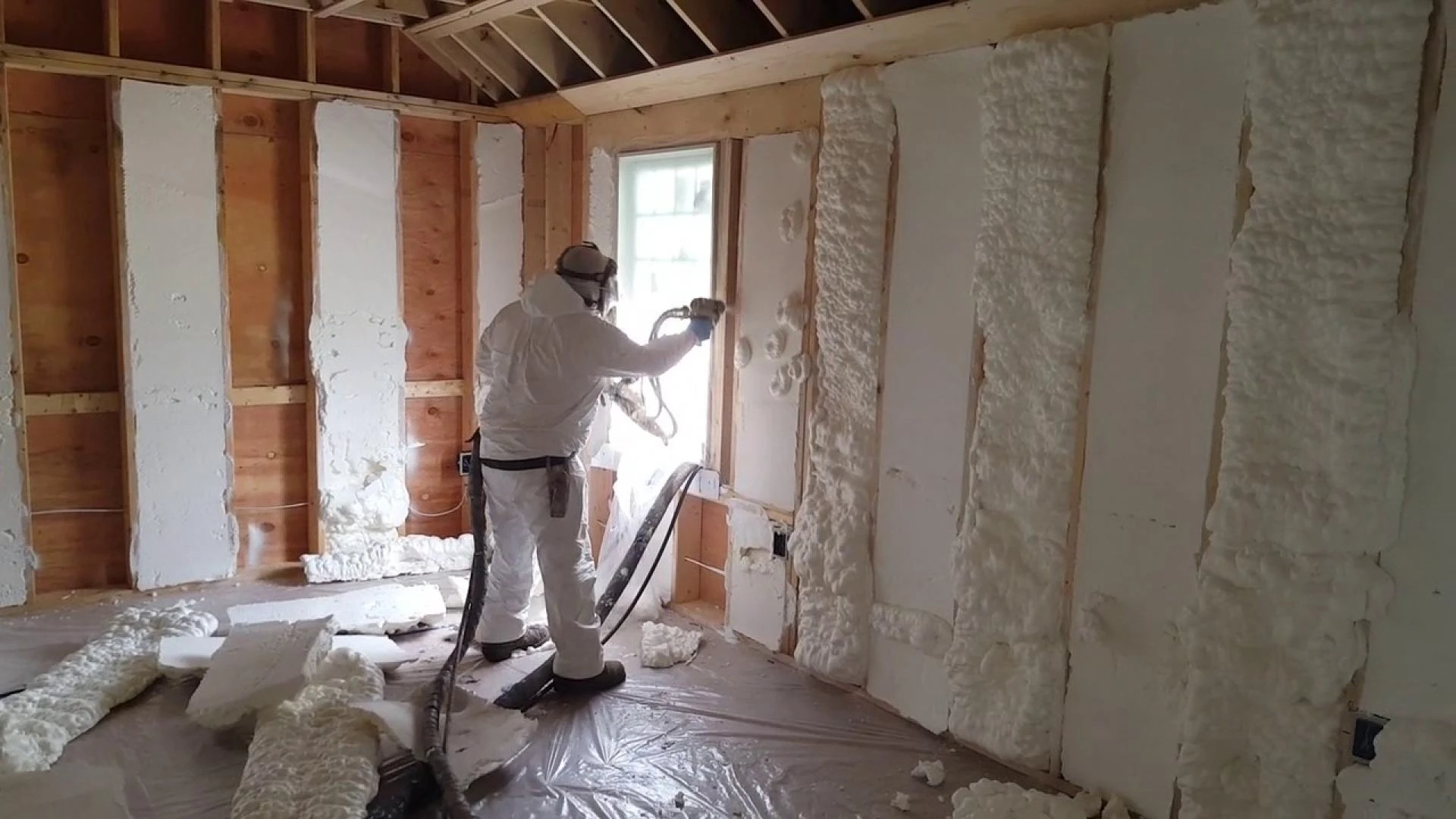
For homeowners in Bartlett, Tennessee, achieving true home comfort involves more than simply choosing the right insulation material. It requires a clear understanding of how the local climate with its intense summer humidity and damp winter conditions interacts with a home’s structure. This is where an insulation specialist truly makes a difference. Unlike a general contractor who may see insulation as just another construction step, a specialist approaches the house as a complete system. By applying building science principles, they can diagnose and solve comfort issues effectively, ensuring that Spray Foam Insulation in Bartlett, TN, not only regulates temperature but also manages moisture and air movement properly for long-lasting comfort and efficiency
The difference in outcome is huge. A specialist’s work leads to a home with even temperatures, better air quality, and lower energy bills for the long haul. A generalist’s approach, on the other hand, can sometimes trap moisture, leading to mold and structural problems, or leave critical air leaks unsealed, negating much of the insulation’s benefit. This guide will explain the specific expertise an insulation specialist brings to the table and why it's a critical investment for any Bartlett homeowner.
The Bartlett Climate: A Unique Challenge for Homes
The weather in the Mid-South is demanding. Summers are long, hot, and notoriously humid. This combination puts an enormous load on air conditioning systems and creates a constant battle against moisture intrusion. Winters can bring damp, chilling cold that seeps through under-insulated walls and floors. An insulation strategy that works in a dry, northern climate can fail badly here.
An insulation specialist understands these local challenges intimately.
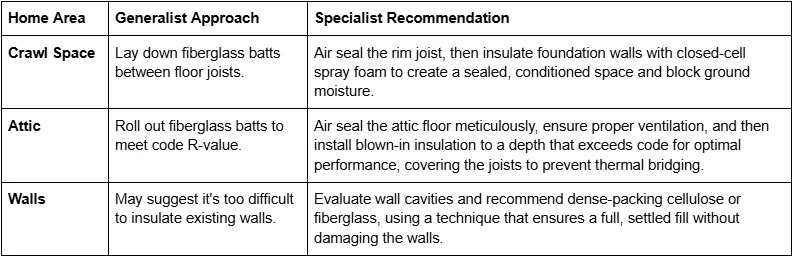
- Humidity is the Enemy: They know that in Bartlett, controlling moisture is just as important as controlling temperature. A specialist will recommend solutions like closed-cell spray foam in crawl spaces specifically to create a vapor barrier against ground moisture, a detail a general contractor might overlook.
- Attic Strategy is Key: They recognize that a super-heated attic in July is the primary driver of an uncomfortable second floor. A specialist will evaluate attic ventilation in tandem with insulation to create a system that keeps the attic cooler and drier, rather than just adding more insulation without considering airflow.
- The Right R-Value for the Right Place: Building codes provide minimum R-value requirements, but a specialist knows that simply meeting the minimum isn't always enough for true comfort in this region. They can recommend optimal levels that balance cost and performance for Bartlett’s specific heating and cooling demands.
A Specialist's Approach: Building Science in Action
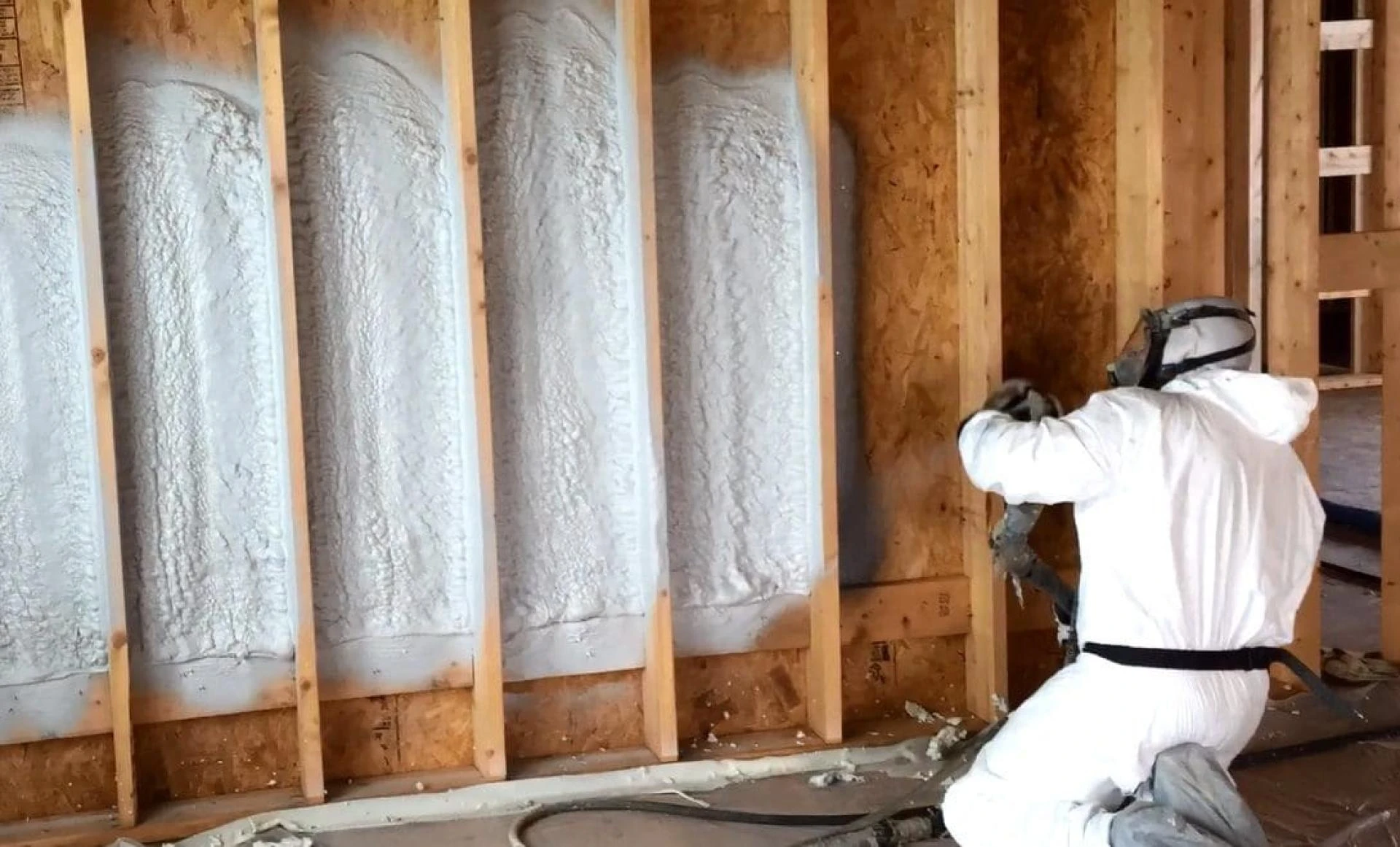
The core difference between a specialist and a general contractor is their approach. A specialist practices building science, which is the study of how heat, air, and moisture interact within a building. They don't just fill cavities with insulation; they diagnose the home as a whole to find the root causes of discomfort and energy loss.
This diagnostic approach often involves:
- A Blower Door Test: This test depressurizes the house to measure its overall air leakage and helps pinpoint the biggest leaks. Many homeowners are shocked to learn how much energy they lose through hidden gaps around windows, plumbing penetrations, and attic hatches.
- Infrared Thermal Imaging: An infrared camera can visually show where heat is escaping from the house in the winter or entering in the summer. This provides a clear roadmap of the home's thermal weaknesses.
Armed with this data, a specialist can create a targeted plan. The first step is almost always air sealing, because insulating a leaky house is like trying to stay warm in a winter coat that's full of holes.
Specialist Recommendations vs General Approaches
The advice you get from a specialist will often be more detailed and specific to your home's needs. Here's how their recommendations might differ from a generalist's for a typical Bartlett home.
Bonus Tip: A key sign of a specialist is their focus on the "rim joist" (the wooden perimeter that sits on top of the foundation). This area is a massive source of air leakage and is often completely ignored in standard insulation jobs. Sealing and insulating it properly provides a huge return in comfort.
The Craft of Installation: Why Technique Matters
Even with the right plan, the final result depends entirely on the quality of the installation. This is where a specialist's training and equipment are indispensable.
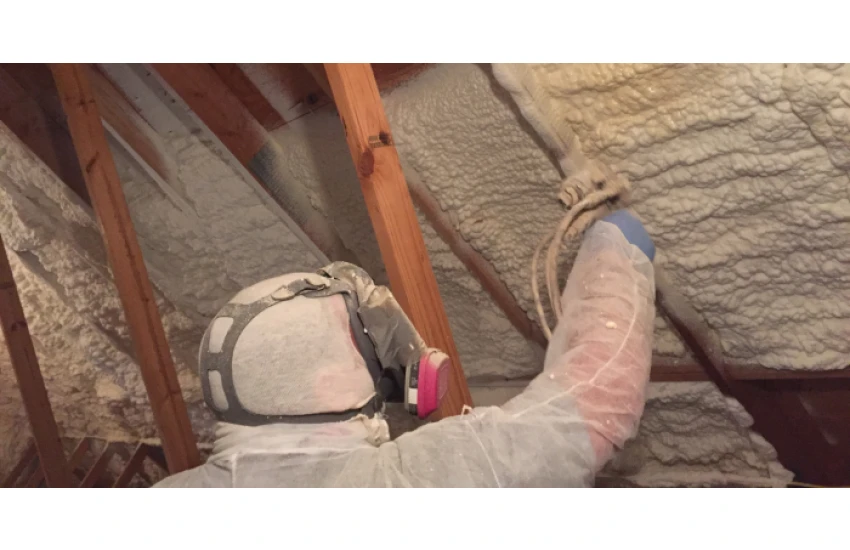
With spray foam insulation, for example, the material is a chemical product created on-site. The two components must be mixed at a precise ratio and kept at a specific temperature and pressure. A specialist invests in modern, computer-controlled equipment that ensures a perfect mix every time. A generalist using older or poorly maintained equipment can easily create "off-ratio" foam that fails to cure properly, has a lower R-value, or even pulls away from the studs.
Even with a seemingly simple product like fiberglass batts, technique is everything. A specialist’s crew is trained to cut and fit each batt perfectly around pipes, wires, and outlets, leaving no gaps. A rushed, general crew might just stuff the batts in, compressing them and creating voids that undermine the entire system.
Bonus Tip: Ask if the contractor's spray foam installers are certified. Organizations like the Spray Polyurethane Foam Alliance (SPFA) offer training and certification programs that demonstrate a commitment to professional standards.
Things to Consider Before Hiring an Insulation Contractor
- Ask About Their Process: Do they start with an assessment? Do they talk about air sealing? A contractor who just wants to give you a price per square foot over the phone is not a specialist.
- Look at Their Tools: A specialist will talk about their diagnostic tools, like blower doors and infrared cameras, and their modern application equipment.
- Check Their Credentials: Ask about certifications, insurance, and worker's compensation. A professional company will have all of this readily available.
- Get a Detailed Quote: The quote should be more than just a price. It should specify the exact materials to be used, the target R-value, the scope of work (including air sealing and ventilation checks), and the warranty offered.
Common Questions about Insulation Specialists
Is hiring a specialist more expensive than a general contractor?
The upfront cost may sometimes be higher because they are doing a more thorough job, including diagnostics and air sealing. However, the superior performance and energy savings mean the long-term value is much greater.
What are the risks of a bad insulation job?
A poor installation can lead to ongoing high energy bills, uncomfortable hot and cold spots, and in the worst cases, moisture problems that cause mold and rot. Fixing a bad insulation job is often more expensive than doing it right the first time.
Can't I just watch some videos and do it myself?
While some handy homeowners can install batts, achieving a professional-level fit is very difficult. Air sealing requires a trained eye, and materials like spray foam are absolutely not DIY products due to the chemical and safety risks involved.
How long should a good insulation job last?
Professionally installed insulation like spray foam or blown-in cellulose should last for the life of the home without any loss of performance.
Do specialists only work with one type of insulation?
No. A true specialist is "product agnostic." They will recommend the best material for the specific application, whether it's spray foam, cellulose, fiberglass, or even mineral wool.
The Right Choice for Lasting Comfort
In a climate as challenging as Bartlett's, home comfort is not an accident; it's the result of a well-designed and properly installed Insulation system. Insulation specialists are the key to creating that system. Their expertise in building science, knowledge of the local climate, and commitment to quality installation make them an essential partner for any homeowner serious about achieving lasting comfort and energy efficiency.
Getting an Expert Opinion for Your Home
The best way to understand the unique needs of your home is to have it evaluated by a trained professional. An insulation specialist can provide a data-driven plan to solve your specific comfort issues. For homeowners in the Bartlett area, the team at Armored Insulation offers this level of expert assessment. To schedule a consultation and learn what solutions would work best for your property, they can be reached at (270) 727-5566 or via email at [email protected].
Author: Jared Baker, Owner and Director of Business at Armored Insulation, applies his deep local insight as a Mayfield native and strong business expertise to his work. He is instrumental in maintaining the company's commitment to high-quality service.
Reviewer: Mia Clark reviewed this article, offering input from her 9 years of experience in the spray foam industry to help companies make their services easier to understand and market effectively.