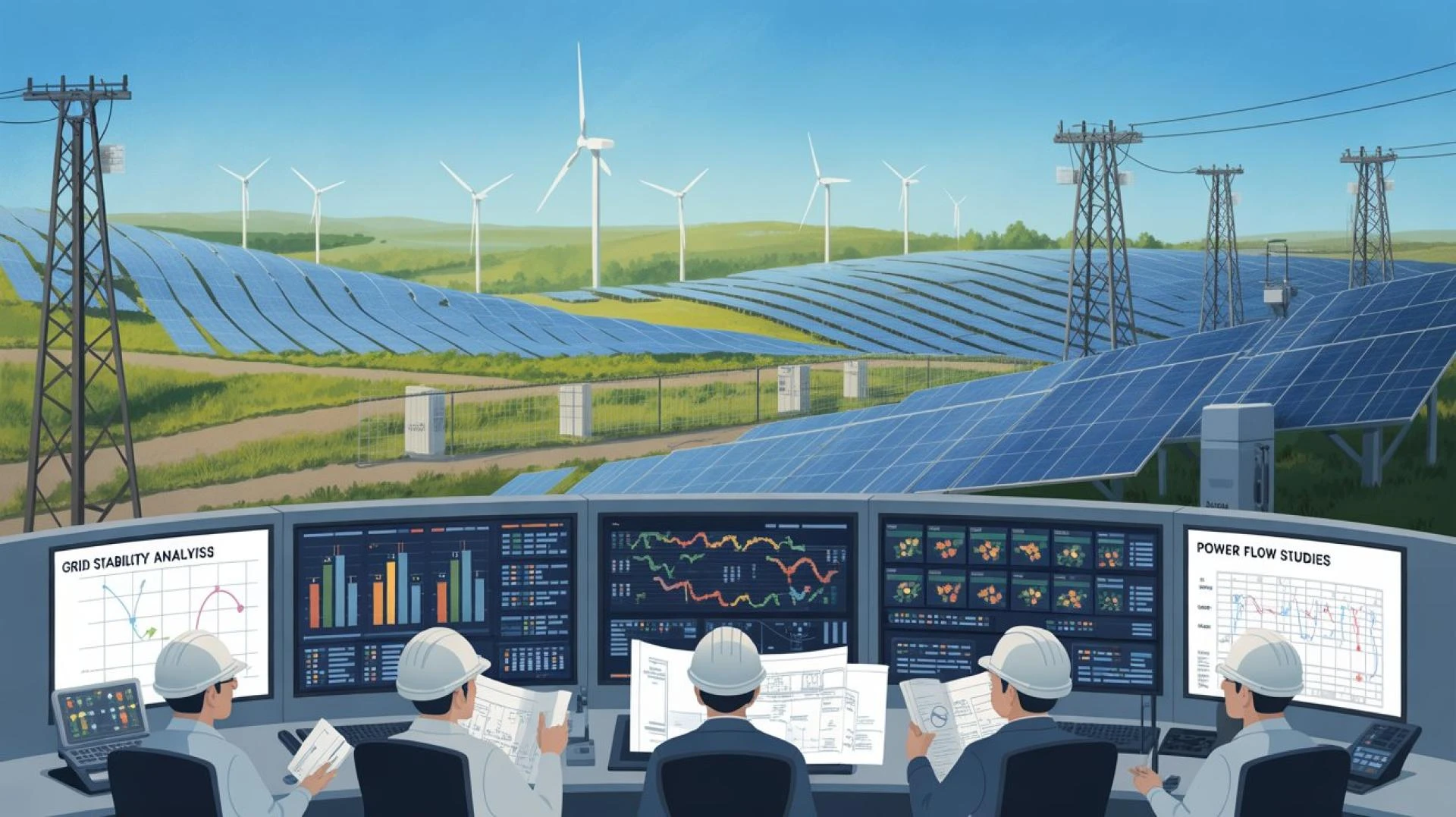
The global transition toward renewable energy is accelerating at an unprecedented pace. Solar farms, wind parks, and hybrid energy systems are becoming central to modern power infrastructure. However, integrating these variable energy sources into existing grids is not as simple as plugging them in. It requires careful planning, modeling, and validation to ensure reliability, safety, and efficiency. This is where power system analysis plays a critical role.
Understanding how renewable energy interacts with the grid is essential for developers, utilities, and engineers. From feasibility studies to long-term operation, detailed evaluations help prevent costly failures and ensure consistent performance.
Understanding the Role of Power System Analysis
Power system analysis involves evaluating electrical networks to determine how they behave under different operating conditions. For renewable projects, this process becomes even more important due to the intermittent nature of sources like solar and wind.
Unlike conventional power plants, renewables depend on environmental conditions, which can fluctuate rapidly. These variations can affect voltage levels, frequency stability, and power quality. Through proper analysis power system, engineers can simulate these conditions and design systems that remain stable even during fluctuations.
Such analysis ensures that renewable plants not only generate energy efficiently but also contribute positively to overall grid performance.
Grid Integration Challenges in Renewable Projects
One of the biggest challenges in renewable energy development is grid integration. Traditional grids were not originally designed to handle decentralized and variable generation sources. As a result, issues such as voltage instability, reverse power flow, and harmonic distortions can arise.
For example, large-scale solar installations may cause voltage rise during peak generation periods, while wind farms can introduce frequency variations due to sudden changes in wind speed. Without proper electrical power system studies, these issues can lead to equipment damage or grid failures.
Power system analysis helps identify these risks early in the design phase, allowing engineers to implement solutions such as reactive power compensation, energy storage systems, or advanced control strategies.
Key Studies Required for Renewable Integration
Several types of studies are essential when planning renewable energy projects. Each study focuses on a specific aspect of system performance and reliability.
Load flow analysis determines how power moves through the network under normal operating conditions. It helps engineers understand voltage profiles and power distribution across the system.
Short circuit analysis evaluates the system’s response to faults. This is crucial for selecting appropriate protection devices and ensuring safety.
Dynamic and transient stability studies assess how the system behaves during sudden disturbances, such as faults or rapid changes in generation. These studies are particularly important for wind and solar projects due to their variability.
Harmonic analysis examines distortions caused by power electronic devices, which are commonly used in renewable systems. Managing harmonics is essential to maintain power quality and avoid equipment damage.
Together, these power systems studies provide a comprehensive understanding of system behavior and guide engineers in making informed design decisions.
Importance of Advanced Modeling and Simulation
Modern renewable projects rely heavily on advanced software tools for modeling and simulation. These tools allow engineers to create digital representations of power systems and test various scenarios before implementation.
Simulation enables the evaluation of different configurations, control strategies, and equipment selections. It also helps in optimizing system performance while minimizing costs.
Accurate models are particularly important for renewable energy because of their dependency on external factors. By incorporating real-world data such as weather patterns and load variations, engineers can predict system behavior more precisely.
This proactive approach reduces uncertainties and enhances the reliability of renewable energy systems.
Enhancing Grid Stability and Reliability
Maintaining grid stability is a top priority when integrating renewable energy. Power system analysis helps ensure that the grid can handle fluctuations without compromising performance.
One key aspect is frequency control. Renewable sources, especially inverter-based systems, do not inherently provide inertia like traditional generators. This can lead to faster frequency deviations during disturbances. Through detailed analysis, engineers can design solutions such as synthetic inertia and fast frequency response mechanisms.
Voltage stability is another critical factor. Reactive power management plays a significant role in maintaining voltage levels within acceptable limits. By analyzing different scenarios, engineers can determine the optimal placement of capacitors, reactors, or flexible AC transmission systems.
Ultimately, a well-analyzed system is more resilient, reducing the risk of outages and improving overall reliability.
Future Trends in Renewable Power System Analysis
As renewable energy continues to grow, power system analysis is evolving to meet new challenges. The integration of smart grid technologies, artificial intelligence, and real-time monitoring is transforming how systems are analyzed and managed.
Digital twins, for example, allow real-time simulation of power systems, enabling faster decision-making and predictive maintenance. Machine learning algorithms can analyze vast amounts of data to identify patterns and optimize system performance.
Additionally, the rise of distributed energy resources, such as rooftop solar and battery storage, is increasing the complexity of power networks. Advanced analysis power system techniques are required to manage these decentralized systems effectively.
At the same time, regulatory requirements and grid codes are becoming more stringent, making comprehensive electrical power system studies essential for project approval and operation.
Conclusion
Power system analysis is a foundational element in the success of renewable energy projects. It ensures that solar, wind, and hybrid systems are integrated safely and efficiently into existing grids. By addressing challenges such as variability, stability, and power quality, engineers can design systems that deliver reliable performance over the long term.
As the energy landscape continues to evolve, the importance of detailed power systems studies will only increase. Investing in thorough analysis not only minimizes risks but also maximizes the value of renewable energy projects, paving the way for a more sustainable and resilient future.