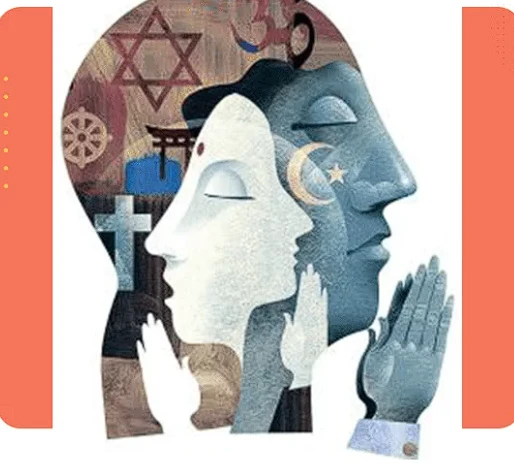
Across centuries and cultures, prayer and meditation have remained central spiritual practices in many religions. From temples and churches to quiet homes and peaceful natural spaces, people everywhere pause to reflect, pray, or meditate. These practices help individuals connect with a deeper reality beyond everyday life. Many spiritual teachings suggest that prayer and meditation allow people to tune their minds and hearts to a greater universal force often described as cosmic energy.
Although religious traditions differ in rituals and beliefs, the presence of prayer and meditation across faiths reveals a shared human desire to connect with something greater than the self. These practices offer moments of stillness and reflection that help individuals understand themselves, the world, and their relationship with the divine.
The Purpose of Prayer in Spiritual Life
Prayer is one of the most common spiritual practices found across religions. At its core, prayer is an act of communication with a higher power. When people pray, they often express gratitude, seek guidance, ask for strength, or reflect on their life’s purpose.
Many spiritual teachings suggest that prayer helps individuals move beyond the limitations of the ego. By surrendering personal concerns to a higher force, the mind shifts from self centered thinking to a broader awareness of life. This transition allows individuals to experience deeper peace and humility.
Prayer also helps focus a scattered mind. In daily life, people are often overwhelmed by responsibilities, worries, and distractions. Prayer provides a moment to pause and bring attention to what truly matters. When practiced regularly, prayer becomes a habit that strengthens emotional resilience and spiritual awareness.
Through prayer, individuals can align themselves with cosmic energy, the universal force that many spiritual traditions believe sustains life and consciousness.
Meditation as a Path to Inner Awareness
While prayer often involves communication with the divine, meditation focuses more on inner awareness and reflection. Meditation encourages individuals to turn their attention inward and observe their thoughts, emotions, and breath.
By quieting the mind, meditation helps people move beyond external distractions and reach a deeper level of consciousness. Many religions describe meditation as a pathway to spiritual insight and enlightenment.
Meditation practices exist in numerous spiritual traditions, including Hinduism, Buddhism, Taoism, and other philosophical schools. These practices may involve breathing techniques, chanting, visualization, or silent contemplation. Despite their differences, the goal remains similar: to cultivate awareness and spiritual understanding.
Meditation also helps individuals connect with cosmic energy by calming the mind and allowing deeper awareness to emerge. When the mind becomes still, individuals may experience a sense of unity with the universe and a deeper connection with life.
Shared Practices Across Religions
Although religions vary widely in their rituals, prayer and meditation appear in nearly every spiritual tradition. This common presence highlights the universal value of reflection and spiritual connection.
In Judaism, believers traditionally pray multiple times throughout the day, often during morning, afternoon, and evening. These regular moments of prayer help maintain awareness of divine presence throughout daily life.
In Islam, prayer is performed five times a day through a structured practice known as Salah. These prayers include specific movements, recitations, and intentions that help believers maintain discipline and spiritual focus.
Christian traditions also emphasize prayer as an essential part of spiritual life. Some prayers are formal and communal, while others are personal and spontaneous. Regardless of form, prayer is viewed as a way to strengthen faith and trust in God.
Meditation practices are especially prominent in Hinduism, Buddhism, and Taoism. In these traditions, meditation helps individuals gain self awareness and move closer to spiritual enlightenment.
Through both prayer and meditation, believers from different religions seek to deepen their connection with cosmic energy and gain greater understanding of their spiritual path.
Tools Used in Prayer and Meditation
Many spiritual traditions incorporate specific techniques and tools to support prayer and meditation. These tools help practitioners focus their minds and deepen their spiritual experiences.
Visualization is a common method used in meditation. Practitioners imagine peaceful images or spiritual symbols to guide their attention inward. Chanting and repeating sacred words or mantras are also widely practiced across religions.
Concentration exercises allow individuals to direct their attention toward a single idea, prayer, or divine concept. These techniques help quiet mental distractions and create a deeper sense of presence.
Many traditions also encourage contemplation, where individuals reflect deeply on spiritual teachings or sacred texts. These reflections help people understand life’s deeper meaning and strengthen their spiritual awareness.
All of these methods help individuals move beyond everyday thoughts and develop a deeper connection with cosmic energy, the universal force that links all existence.
Solitude and Reflection in Spiritual Practice
Throughout history, spiritual seekers have often retreated into quiet environments to meditate or pray. Mountains, forests, and monasteries have long been associated with spiritual reflection.
However, solitude does not require a distant location. Even a quiet corner of a home can provide the space needed for meditation and prayer. What matters most is creating an environment that allows the mind to become calm and focused.
These moments of solitude help individuals reconnect with their inner selves. When distractions fade, deeper thoughts and insights can emerge.
Prayer and meditation create opportunities for self reflection, helping individuals understand their values, intentions, and spiritual goals. Through this process, many people feel more aligned with cosmic energy and the greater flow of life.
Benefits of Prayer and Meditation
In addition to their spiritual importance, prayer and meditation also offer several psychological and physical benefits. Studies have shown that regular meditation can help reduce stress, lower blood pressure, and improve memory and emotional well being.
These practices encourage calm breathing, mindful awareness, and emotional balance. Over time, individuals who meditate regularly often report increased happiness and a greater sense of purpose.
Prayer can also provide comfort during difficult times. When people face uncertainty or hardship, prayer offers a way to express hope and seek guidance.
Both prayer and meditation help individuals reconnect with cosmic energy, which many spiritual teachings describe as the universal source of harmony and balance.
Final Thoughts
Despite differences in beliefs and traditions, prayer and meditation reveal a powerful common thread across religions. These practices allow individuals to pause, reflect, and connect with something larger than themselves.
Through prayer, people express devotion, gratitude, and faith. Through meditation, they cultivate awareness, clarity, and inner peace.
Together, these practices help individuals step beyond everyday concerns and experience a deeper connection with cosmic energy and the spiritual dimension of life.
Ultimately, the widespread practice of prayer and meditation across cultures shows that the human search for meaning, peace, and spiritual connection is universal. These timeless practices continue to guide people toward greater awareness, compassion, and understanding.