Leaving an abusive relationship is hard enough. When your immigration status is tied to your abuser, it can feel nearly impossible as though speaking up or walking away might cost you everything, including your ability to stay in the United States. That fear is exactly what Congress designed the Violence Against Women Act (VAWA) to address. With the right VAWA immigration lawyer, you can pursue safety and legal status independently, without your abuser's knowledge or consent.
What Is VAWA, and Who Can It Help?
Despite the name, VAWA protections are not limited to women. Men, women, and children who have been abused by a U.S. citizen or lawful permanent resident spouse, parent, or child can qualify. The law allows survivors to "self-petition" for lawful status meaning they can file for a green card on their own, without needing their abuser to sponsor or even know about the application.
VAWA recognizes several forms of abuse beyond physical violence, including emotional abuse, psychological manipulation, financial control, and threats tied to immigration status itself. Many survivors don't realize that being told "I'll have you deported if you leave" is itself a form of abuse that VAWA was written to address.
The Power of the VAWA Self-Petition
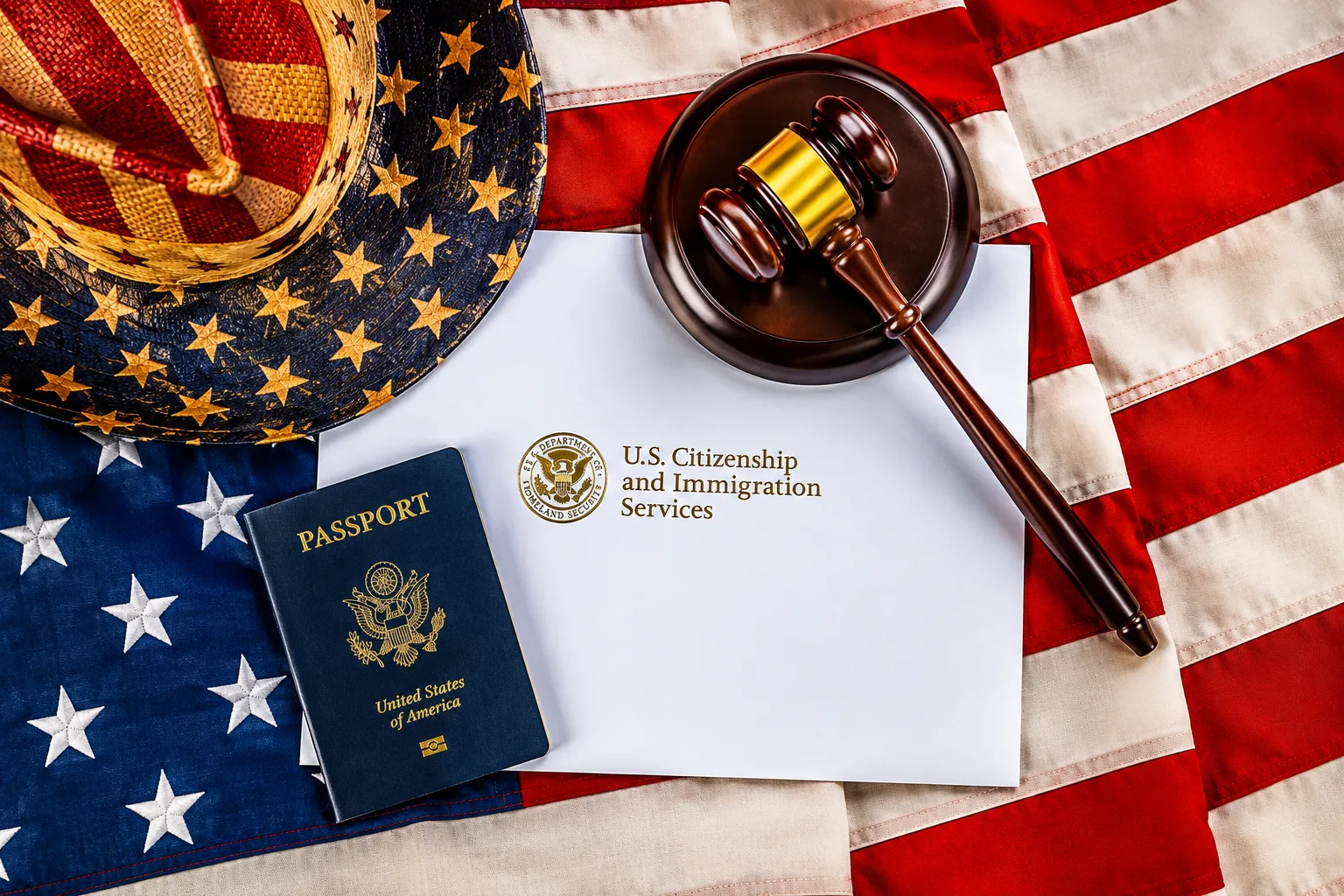
A VAWA self-petition lawyer helps survivors file Form I-360, the petition that starts the process toward lawful permanent residency. This filing is confidential U.S. Citizenship and Immigration Services (USCIS) is legally required to keep the abuser from being notified, which allows survivors to pursue safety without fear of retaliation or interference.
To succeed, a self-petition generally needs to demonstrate:
- A qualifying relationship to the abusive U.S. citizen or permanent resident (spouse, parent, or child)
- Evidence of abuse or extreme cruelty, which can include police reports, protective orders, medical records, therapist letters, or personal declarations
- Good moral character, typically shown through affidavits, background checks, and character references
- Residency with the abuser at some point during the relationship
- A genuine relationship, not one entered into solely for immigration purposes
Because so much of this evidence is personal and sensitive, building a strong case takes care, patience, and a legal team the survivor can trust. An experienced attorney knows how to gather this proof in a way that's thorough without being retraumatizing.
Why the Details Matter So Much
VAWA cases live and die on evidence and storytelling. USCIS officers reviewing these petitions need a clear, credible, and well-documented account of what happened not just a general statement that abuse occurred. This is often the hardest part for survivors, many of whom have spent months or years being told their experiences didn't matter or weren't "bad enough" to count.
A skilled VAWA immigration attorney helps translate a survivor's experience into the kind of detailed, corroborated narrative that USCIS is trained to evaluate. This might include:
- Organizing supporting evidence police records, medical documentation, messages, financial records, and witness statements
- Preparing a thorough personal declaration that connects the abuse to the legal standard USCIS applies
- Anticipating Requests for Evidence (RFEs) and addressing weak points before they become obstacles
- Coordinating with counselors or advocates who can provide supporting letters or expert opinions
- Protecting confidentiality throughout the process, in line with VAWA's legal safeguards
Moving Forward Safely
One of the most important things to understand about VAWA is that survivors do not need to still be married to their abuser to qualify, nor do they need to have already left the relationship. Divorce, the abuser's death, or even the abuser's loss of status can, in certain circumstances, still allow a survivor to move forward with a self-petition. This flexibility exists because Congress understood that survivors' situations rarely fit into neat categories.
If you are in immediate danger, please prioritize your safety first and reach out to local law enforcement or the National Domestic Violence Hotline. When you are ready to explore your legal options, a compassionate and experienced legal team can walk you through the process at your own pace.
At Immigration Vision, we understand how much courage it takes to come forward. Our team approaches every VAWA case with discretion, patience, and a deep commitment to helping survivors build a safe, independent future. Whether you're just beginning to understand your options or you're ready to file your self-petition, we're here to help you take that next step on your terms, in your own time.
If you or someone you know may qualify for VAWA protection, reach out today for a confidential consultation. You deserve safety, stability, and a life free from fear.