Airports reveal design flaws quickly. A suitcase that wobbles through a crowded terminal, a handle that digs into the palm after ten minutes—small details, until they aren’t. That’s usually when attention shifts to something most people ignore at first: the handle.
Somewhere along the way, wide handle carry on luggage started appearing more often. Not flashy, not heavily advertised. Just different enough to make frequent travelers pause and wonder what changed.
Turns out, quite a bit.
The Basic Difference Isn’t So Basic
At a glance, both handle types seem similar. Telescopic rods extend, a grip sits on top, the suitcase rolls behind. Simple.
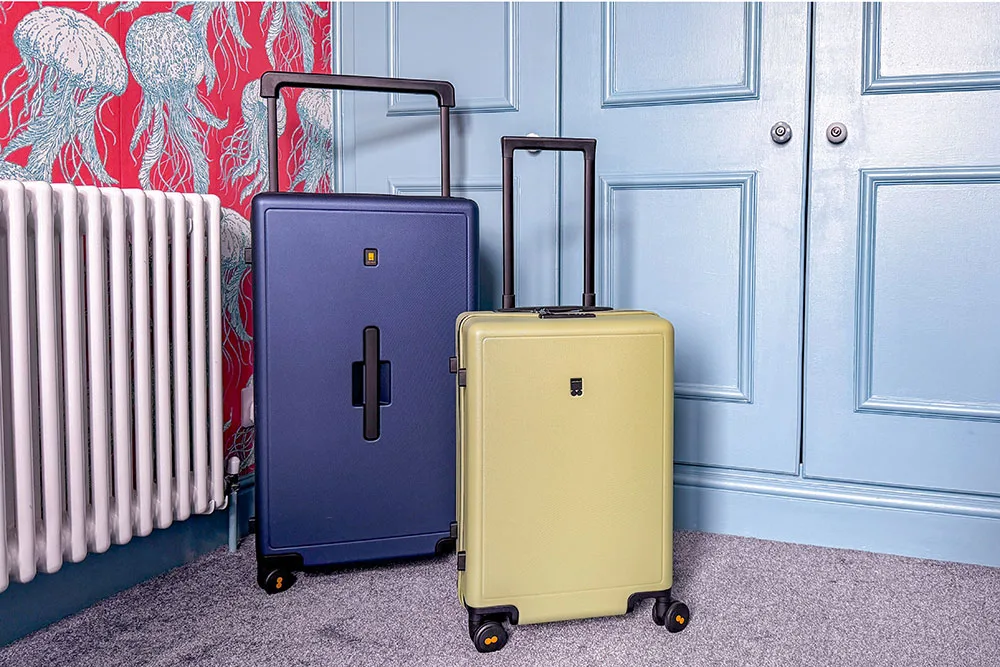
But look closer. A standard handle usually consists of two narrow rods placed close together, connected by a compact grip. A wide handle, on the other hand, spreads those rods farther apart, creating a broader, more stable frame.
That spacing changes how weight is distributed. And once weight shifts, everything else follows—balance, control, even packing.
Strange how a few extra centimeters can do that.
Stability on the Move
This is where the difference becomes obvious.
Standard handles work fine on smooth surfaces. Airports, hotel lobbies—no issue. But introduce uneven ground or a slightly overloaded suitcase, and the wobble begins. Subtle at first, then irritating.
Wide handles reduce that side-to-side movement. The broader frame stabilizes the suitcase, especially when turning or changing direction quickly. It feels anchored.
Ever noticed how some suitcases seem to glide while others need constant correction? That’s often the handle design doing its quiet work.
Control and Comfort
Grip matters more than expected. A narrow handle can feel concentrated, placing pressure on a smaller part of the hand. Over time, that becomes uncomfortable.
Wide handles distribute that pressure more evenly. The grip feels steadier, less strained. Not a dramatic difference—but noticeable after a long walk through a terminal.
Short trips might not reveal this. Longer ones do.
And then there’s control. A wider frame offers better leverage, making it easier to guide the suitcase without overcompensating. Less effort, smoother movement.
Interior Space: The Hidden Trade-Off
Here’s where things get interesting.
Wide handle systems often require internal support structures that slightly intrude into the packing space. Those rods don’t disappear—they run along the inside of the suitcase, creating small ridges or compartments.
For organized packers, this isn’t a problem. In fact, it can help separate items. For others, it feels restrictive.
Standard handles usually take up less internal space, leaving a flatter packing surface. More freedom, less structure.
So the question becomes: is stability worth a bit of lost space?
There’s no universal answer.
Durability and Build Considerations
Wide handles tend to be built with sturdier materials to maintain their structure. That can improve durability, especially under heavier loads.
Standard handles, being simpler, may have fewer components that could fail—but they also bear weight differently. Over time, stress can concentrate on smaller areas.
Still, build quality matters more than design alone. A well-made standard handle can outperform a poorly designed wide one. That’s often overlooked.
Who Should Choose What?
Wide handle luggage tends to appeal to travelers who value control and smooth movement. Frequent flyers, business travelers, anyone navigating busy environments regularly.
Standard handles fit those who prefer simplicity. Lightweight travel, occasional trips, minimal packing—situations where space matters more than structure.
Neither is objectively better. Just different priorities.
And travel, by nature, is personal.
A Subtle Influence on Packing Habits
Here’s something rarely discussed. Handle design affects how people pack.
Wide handle interiors, with their slight intrusions, encourage more deliberate organization. Items get placed with intention. There’s less room for random stuffing.
Standard interiors allow more freedom. Toss, zip, go. Efficient in its own way.
Ever noticed how certain designs quietly push behavior in one direction? This is one of those cases.
Features That Pair Well with Each Design
Modern luggage doesn’t stop at handles. Features like compartments, compression systems, and tech-friendly sections add another layer of decision-making.
For instance, a carry on luggage with laptop compartment often pairs well with structured interiors, making wide handle designs feel more cohesive. Everything has its place, including electronics.
But again, it depends on usage. Not every traveler needs that level of organization.
Final Thoughts
The difference between wide and standard handle luggage isn’t dramatic at first glance. It reveals itself over time—through movement, comfort, and subtle shifts in packing habits.
Wide handles offer stability and control, with a slight compromise in internal space. Standard handles keep things simple, flexible, and familiar.
Brands like Level8 Luggage seem to recognize this balance, blending structure with usability rather than forcing one approach. Clean design, practical function—nothing excessive.
In the end, the right choice isn’t about trends. It’s about how a suitcase feels after a long walk, a tight connection, or a crowded terminal. That’s where the real difference shows.