Menopause marks a profound shift in every woman's life, one that brings along a whole host of physical and emotional changes that can really shake up daily routines. Sure, hot flashes, night sweats, mood swings, and sleep troubles have always been part of the package, but here's the good news: how we handle these challenges has changed dramatically over the past few years. Today's women are discovering innovative, research-backed methods that stretch far beyond the old-school hormone replacement therapy approach. They're embracing holistic strategies that tackle both the immediate discomfort and the bigger picture of long-term health.
Plant-Based Nutrition and Phytoestrogen-Rich Foods
What you eat can make a surprisingly big difference when it comes to easing menopausal symptoms, and more women are catching on to this simple truth. Phytoestrogens, those clever plant compounds that act like estrogen in your body, show up naturally in soybeans, flaxseeds, chickpeas, and lentils, offering gentle hormonal support without needing to pop pills. Studies consistently show that women who load up on these foods tend to have fewer hot flashes, and when they do get them, they're typically less intense than those experienced by women eating typical Western diets. But the benefits don't stop at phytoestrogens.
Mindfulness Meditation and Stress Reduction Techniques
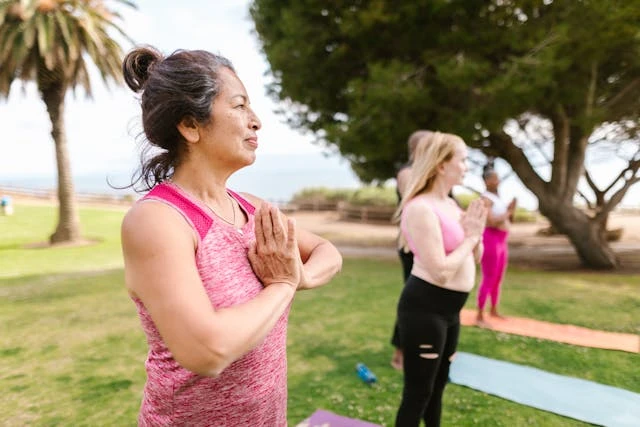
Once women started connecting the dots between their stress levels and how bad their menopause symptoms felt, mindfulness-based practices became a game-changer for many. Just ten to fifteen minutes of daily meditation can actually reduce how intensely you perceive hot flashes and build up your emotional strength during this transition period. Cognitive behavioral therapy that's specifically tailored for menopause helps women shift their perspective on symptoms and develop practical ways to cope that genuinely reduce distress. Breathing exercises, especially paced respiration techniques, can interrupt the physical chain reaction that sets off a hot flash, giving you a tool you can use whether you're at home, at work, or anywhere in between.
Targeted Exercise Programs and Strength Training
Exercise has always been on the “good for you” list, but we're now recognizing that specific types of workouts can directly tackle menopause symptoms head-on. High-intensity interval training, when done right for your personal fitness level, helps regulate how your body controls temperature and can reduce how often hot flashes show up. Resistance training and weight-bearing exercises become absolutely crucial during menopause because they fight back against the accelerated bone loss and muscle decline that happen when estrogen drops. Regular cardio workouts lift your mood through natural endorphin releases, combat the weight gain that often comes with metabolic shifts, and dramatically improve how well you sleep at night.
Natural Supplements and Botanical Remedies
The supplement world has really stepped up its game, offering numerous research-backed botanical options that deliver genuine relief for many women going through menopause. Black cohosh leads the pack as one of the most thoroughly researched herbal remedies, showing effectiveness in multiple clinical trials for reducing hot flashes and helping women sleep better. Evening primrose oil contains gamma-linolenic acid, which seems to ease the breast tenderness and mood swings that affect many women during this time. Red clover extract offers another natural source of phytoestrogens, providing a gentler approach to hormonal balance with fewer concerns than synthetic alternatives.
For women exploring natural alternatives to address hormone-related symptoms, CBD for menopause has gained attention as a complementary option that may support overall comfort during this transition. Magnesium supplementation fills an increased need for this mineral during menopause, supporting bone health, mood, and sleep quality at the same time. Vitamin D takes on critical importance during this life stage, since being deficient can make mood problems, bone loss, and various other symptoms worse. Adaptogens like ashwagandha and rhodiola help your body handle stress more effectively, potentially taking the edge off how cortisol fluctuations affect menopausal symptoms. While you should definitely discuss any supplements with your healthcare provider to stay safe and avoid interactions, they’ve become an increasingly popular middle path between doing nothing and jumping straight to pharmaceutical solutions.
Hormone Optimization and Bioidentical Options
Hormone therapy today looks nothing like the cookie-cutter approaches doctors used years ago; personalized protocols are showing better results and safer profiles. Bioidentical hormones, which mirror what your body produces naturally on a molecular level, are becoming the preferred choice for many practitioners and patients because they tend to be better tolerated. Low-dose estrogen patches or gels applied to the skin, paired with the right amount of progesterone when needed, can make a noticeable difference in quality of life while keeping systemic exposure to a minimum. Testosterone replacement doesn’t get talked about as much, but it addresses often-overlooked changes in libido and energy levels that catch many women off guard during menopause.
Conclusion
The landscape of managing menopause has been reimagined, giving women more effective, personalized choices than ever before. From adjusting diet and practicing mindfulness to targeted workouts and botanical supplements, these approaches put women in the driver’s seat of their menopausal journey with real confidence and reliable information backing them up. The truth is, the most successful approach often involves mixing and matching several methods that fit specific symptoms, personal preferences, and broader health goals—essentially creating a comprehensive wellness plan that treats women as whole individuals, not just a collection of symptoms. As researchers continue deepening their understanding of this natural transition, the future looks bright for even more refined and effective tools to help women navigate menopause with energy and grace.