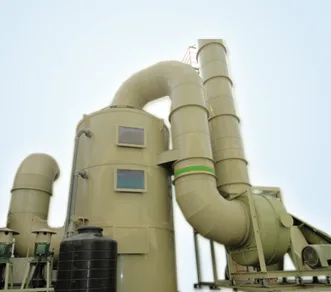
Industrial air pollution control has become a critical priority for businesses across manufacturing, chemical processing, metal treatment, pharmaceuticals, and other industrial sectors. Among the most effective solutions available, wet scrubber systems are widely used to remove harmful gases, fumes, dust particles, and pollutants from exhaust streams. An undersized unit may fail to meet emission standards, while an oversized system can increase operating costs unnecessarily. Reputable Wet Scrubber system Manufacturers carefully evaluate airflow requirements before recommending a solution.However, selecting the right wet scrubber system requires careful evaluation of your operational requirements and environmental compliance goals.
Before making an investment, it is important to ask the right questions to ensure that your chosen system delivers long-term performance, efficiency, and regulatory compliance. Here are the 10 most important questions every buyer should ask before purchasing an industrial wet scrubber system.
1. What Type of Pollutants Need to Be Removed?
The first step is understanding the specific contaminants present in your exhaust stream. Different wet scrubber designs are engineered to handle various pollutants, including particulate matter, acidic gases, chemical vapors, and toxic emissions.
Knowing the nature, concentration, and particle size of pollutants helps determine the most suitable scrubber technology for your facility.
2. What Is the Required Airflow Capacity?
Airflow volume is one of the most critical factors when selecting a wet scrubber. The system must be capable of handling the total exhaust gas generated by your process without compromising efficiency.
3. Which Type of Wet Scrubber Is Most Suitable?
There are several types of wet scrubbers available, including:
- Venturi scrubbers
- Packed bed scrubbers
- Spray tower scrubbers
- Cyclonic scrubbers
Each type offers unique advantages depending on the application. For example, Venturi scrubbers are highly effective for fine particulate removal, while packed bed scrubbers excel at gas absorption.
Understanding the strengths of each design helps ensure optimal performance.
4. What Removal Efficiency Can Be Expected?
Not all wet scrubbers provide the same level of pollutant removal. Depending on the design and application, efficiencies can vary significantly.
Ask potential suppliers about:
- Particulate removal efficiency
- Gas absorption performance
- Compliance with local environmental regulations
- Performance guarantees
A well-designed system should consistently achieve the required emission reduction targets.
5. Does the System Meet Environmental Compliance Requirements?
Industries must comply with increasingly stringent pollution control regulations. Before purchasing a wet scrubber, confirm that the system is capable of meeting current and future environmental standards.
Experienced Wet Scrubber system Manufacturers can help businesses design solutions that align with pollution control norms while minimizing operational risks.
6. What Are the Operating and Maintenance Costs?
While initial investment is important, long-term operating costs often have a greater impact on overall project economics.
Consider factors such as:
- Water consumption
- Energy usage
- Chemical requirements
- Replacement parts
- Maintenance frequency
A system with lower lifecycle costs often delivers greater value over time compared to a lower-priced unit with higher operating expenses.
7. Is the System Customizable for Specific Applications?
Every industrial process has unique operating conditions. A standard off-the-shelf solution may not always provide the desired results.
Ask whether the manufacturer can customize:
- Scrubber dimensions
- Materials of construction
- Fan capacities
- Chemical dosing systems
- Automation features
Customized systems often achieve better efficiency and reliability than generic designs.
8. What Materials Are Used in Construction?
Wet scrubbers frequently operate in corrosive environments involving acids, chemicals, and moisture. The durability of the system largely depends on the materials used in its construction.
Common materials include:
- FRP (Fiber Reinforced Plastic)
- Stainless Steel
- Polypropylene
- PVC
Selecting corrosion-resistant materials can significantly extend equipment lifespan and reduce maintenance costs.
9. What Support and After-Sales Service Are Available?
A wet scrubber is a long-term investment that requires ongoing support. Before finalizing a purchase, evaluate the manufacturer's service capabilities.
Important considerations include:
- Installation support
- Operator training
- Spare parts availability
- Preventive maintenance programs
- Technical assistance
Reliable after-sales support ensures uninterrupted system performance and faster issue resolution.
10. What Is the Manufacturer's Industry Experience?
The expertise of the supplier can make a substantial difference in project success. An experienced manufacturer understands industry-specific challenges and can recommend the most effective solution for your application.
Look for manufacturers with:
- Proven project experience
- Industry certifications
- Successful installations across sectors
- Positive customer references
Leading Wet Scrubber system Manufacturers often provide detailed consultations and engineering support to ensure the system meets exact operational requirements.
Conclusion
Investing in an industrial wet scrubber system is a significant decision that directly impacts environmental compliance, operational efficiency, and workplace safety. By asking the right questions before purchasing, businesses can avoid costly mistakes and ensure they select a solution that meets both current and future requirements.
From understanding pollutant characteristics and airflow demands to evaluating maintenance costs and manufacturer expertise, each factor plays a vital role in achieving optimal performance. Working with trusted Wet Scrubber system Manufacturers helps ensure that your facility receives a reliable, customized, and efficient pollution control solution designed for long-term success.
Other Recommendations: Boiler bag filter Manufacturers